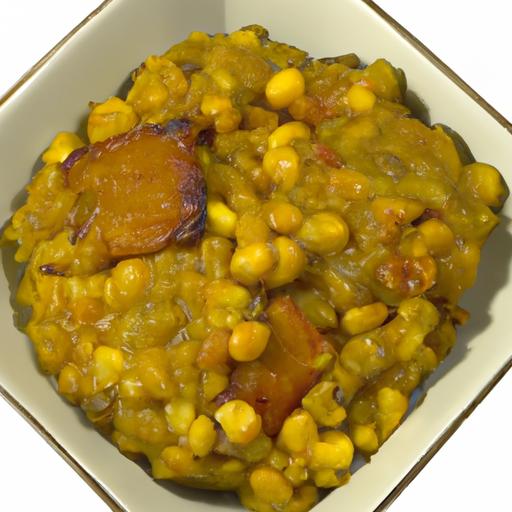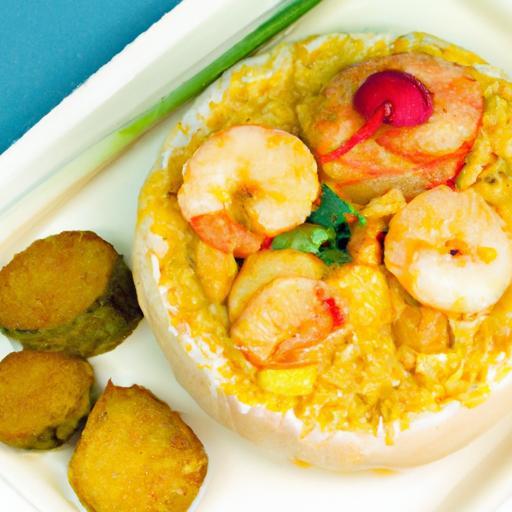
In the vibrant tapestry of Dominican cuisine, few dishes capture the soul and spirit of the island quite like mangú. Often described as the heart of Dominican comfort food, mangú is more than just a simple plate of mashed plantains-it’s a warm embrace of tradition, history, and flavor that has nourished generations.
From its humble roots to the colorful breakfast tables of Santo Domingo, mangú magic invites you to explore a culinary treasure that blends indigenous, African, and Spanish influences into every creamy, savory bite. Join us as we uncover the story, secrets, and irresistible charm behind this beloved dish, and discover why mangú remains a cornerstone of Dominican identity and comfort.
Mangu Magic invites you on a flavorful journey deep into the heart of Dominican comfort food, where humble plantains transform into a velvety, soulful dish cherished across generations. This simple yet evocative dish captures the essence of island tradition and family gatherings, each spoonful embraced with warmth and nostalgia. originating from rural communities,mangu tells stories of resilience,festivity,and everyday comfort,showcasing how a handful of key ingredients can conjure a meal that is both grounding and vibrant.
prep and cook Time
- Planning: 10 minutes
- Cooking: 20 minutes
- Total Time: 30 minutes
Yield
Serves 4 generous portions
Difficulty Level
Easy – perfect for cooks of all experience levels
Ingredients
- 4 large green plantains, peeled and cut into 2-inch pieces
- 4 cups water (enough to boil the plantains)
- 1 teaspoon salt, plus extra to taste
- 4 tablespoons unsalted butter, melted
- ½ cup cold water (for mashing)
- 1 small red onion, thinly sliced
- 2 tablespoons olive oil
- 1 tablespoon white vinegar
- Freshly ground black pepper, to taste
- Fresh cilantro, chopped (optional garnish)
Instructions
- Boil the plantains: In a large pot, bring 4 cups of water and 1 teaspoon of salt to a boil. Add the peeled plantain pieces and cook untill fork-tender, about 15-20 minutes. Drain thoroughly, reserving a little cooking water.
- Mash the plantains: Transfer the hot plantains into a large bowl. Using a potato masher or fork, begin mashing the plantains, gradually adding the melted butter and cold water one tablespoon at a time. Continue until the texture is silky and smooth but still maintains a hearty presence.
- Prepare the onion sauce (sofrito): While the plantains cook, heat 2 tablespoons olive oil over medium heat in a skillet. add thinly sliced red onions and sauté until translucent and slightly caramelized, about 5 minutes. Stir in white vinegar and season with salt and freshly ground black pepper. Remove from heat.
- Combine and season: Taste the mashed plantains and adjust salt if necessary. Spoon the hot mangu onto plates, then spoon the warm onion sauce over the top, allowing the acidity to balance the creamy plantains beautifully.
- Garnish and serve: Sprinkle with chopped cilantro for a fresh, herbal note. Serve promptly while warm for the best experience.
Chef’s Notes
- Plantain selection: Always use green plantains for authentic mangu, as their firm starch gives the characteristic smooth, creamy consistency without sweetness.
- Texture tip: If you prefer a chunkier texture, mash less vigorously, or if silky smooth, blend gently with an immersion blender, but avoid over-processing to retain the rustic appeal.
- Butter alternatives: Coconut oil or avocado oil can substitute butter for a dairy-free version without compromising on richness.
- Make-ahead: Mangu is best eaten fresh but can be stored covered in the refrigerator for up to 2 days. Reheat gently with a splash of water or broth to restore creaminess.
- onion sauce variations: Add finely minced garlic or a pinch of smoked paprika to the onions for a subtle depth of flavor that complements the dish’s simplicity.
perfect Pairings and Serving Suggestions for Every Occasion
mangu Magic shines brightest paired alongside classic Dominican staples that balance its mild, buttery palate. Serve with crispy Dominican-style tofu fritters for a delightful vegetarian plate, or complement with sautéed seasonal greens like kale or spinach to add color and earthiness.Traditional hearty beans or black beans cooked with herbs bring protein to the table, while ripe avocado slices create a luscious contrast of coolness and richness.
For breakfast, top mangu with gooey, fried eggs and a side of fried cheese or fresh tomato slices for a comforting, vibrant start to the day. During festive gatherings, present mangu as a key component on a buffet with grilled fish or lemon-marinated chicken, complemented by tropical fruit salads for balance and brightness.
Exploring Regional Variations and Modern Twists on Classic mangu
As beloved as mangu is in the Dominican Republic, regional interpretations add exciting flair to this traditional dish. In coastal towns, it may be served alongside savory seafood stews, while mountain regions sometimes enrich it with local herbs or replace the onion vinegar topping with pickled hot peppers for bold acidity.
Contemporary chefs push the boundaries of Mangu Magic by incorporating exotic ingredients such as roasted garlic blended into the mash, or presenting it layered with black bean purée and topped with toasted nuts or pumpkin seeds for texture contrast. Vegan twists often swap butter for coconut cream and use a tangy tamarind onion relish, adding a distinct tropical flavor palette.
Substituting plantains partially with yuca or adding a dash of smoked paprika or cumin can introduce smoky notes that make mangu perfect for fusion menus without losing its foundational soul.
| Nutritional Data (per serving) | Amount |
|---|---|
| Calories | 250 kcal |
| Protein | 2 g |
| Carbohydrates | 55 g |
| Fat | 5 g |

Discover the soul of the Caribbean through each creamy bite of mangu Magic, a dish that invites you to savor simplicity elevated to heartfelt tradition. For those looking to deepen their Dominican culinary repertoire, explore more recipes like our Authentic Dominican Chicken Stew for further inspiration grounded in island flavors.
Q&A
Q&A: Mangu Magic – Discover the Heart of Dominican Comfort Food
Q1: What exactly is Mangu, and why is it so beloved in the Dominican Republic?
A1: Mangu is a traditional Dominican dish made from boiled green plantains, wich are then mashed with a bit of water, salt, and butter or oil until creamy and smooth. It’s a cornerstone of Dominican comfort food, frequently enough enjoyed for breakfast but loved any time of day. Its beloved status comes from its simplicity, hearty texture, and ability to evoke nostalgic memories of home and family gatherings.
Q2: How does Mangu reflect the cultural identity of the dominican republic?
A2: Mangu is more than just food; it’s a culinary symbol of Dominican heritage.The dish embodies the island’s agricultural roots and the ingenuity of transforming humble ingredients into something nourishing and flavorful. it’s often paired with traditional sides like fried cheese, salami, and eggs, showcasing the unique flavor profiles and cultural fusion that define Dominican cuisine.
Q3: What makes the preparation of Mangu “magical”?
A3: The “magic” of Mangu lies in its texture and versatility.When plantains are perfectly boiled and mashed, they transform into a silky, velvety comfort food that’s both filling and flavorful. The ritual of peeling hot plantains and mashing them into a creamy mash is an art form passed down through generations, bringing a sense of warmth and connection to those who make and eat it.
Q4: Can Mangu be adapted for modern or international palates?
A4: Absolutely! While the classic Mangu remains a favourite, chefs and home cooks alike experiment with blending Mangu with herbs, spices, or even cheeses to add new dimensions of flavor. It pairs beautifully with global ingredients-imagine Mangu topped with avocado and a spicy salsa or accompanied by grilled meats.This adaptability keeps the tradition alive and evolving beyond Dominican borders.
Q5: Where should travelers go to taste the best Mangu in the Dominican Republic?
A5: For authentic Mangu, local “comedores” (small eateries) and street vendors are treasure troves of flavor. Cities like Santo Domingo and Santiago are dotted with family-run establishments that serve traditional Mangu alongside classic sides. Don’t miss the Saturday morning markets or neighborhood cafés-the heart of dominican comfort food truly pulses where locals gather.
Q6: Why is mangu considered a comfort food, and how does it connect people emotionally?
A6: Comfort food is about more than taste-it’s about feeling safe, nurtured, and connected. Mangu’s warm, creamy texture and familiar flavors invite relaxation and remind Dominicans of home-cooked meals shared with loved ones. Whether eaten during a leisurely breakfast or a simple dinner after a long day, Mangu has a way of comforting the soul and bringing people together.
Q7: How can someone at home recreate the “Mangu Magic” experience?
A7: To recreate Mangu at home, select firm green plantains, peel and boil them until tender, then mash with warm water, salt, and a bit of butter or olive oil. serve it alongside fried eggs, cheese, or your favorite protein to capture the full experience. The key is to honor the simplicity of ingredients and savor the slow, mindful process of making and enjoying this humble, magical dish.
Key Takeaways
As the rich aroma of mashed plantains fades from your kitchen,the warmth of mangu lingers-not just on your palate but deep within your culinary soul. This humble dish,steeped in Dominican tradition,is more than comfort food; it’s a vibrant story of culture,family,and history,served on every plate.
Whether topped with savory sautéed onions, paired with fried cheese, or accompanied by hearty salami, mangu invites you to experience the heart of the Dominican Republic with every bite. So next time you seek a taste that’s both simple and soulful, let mangu magic guide you home.