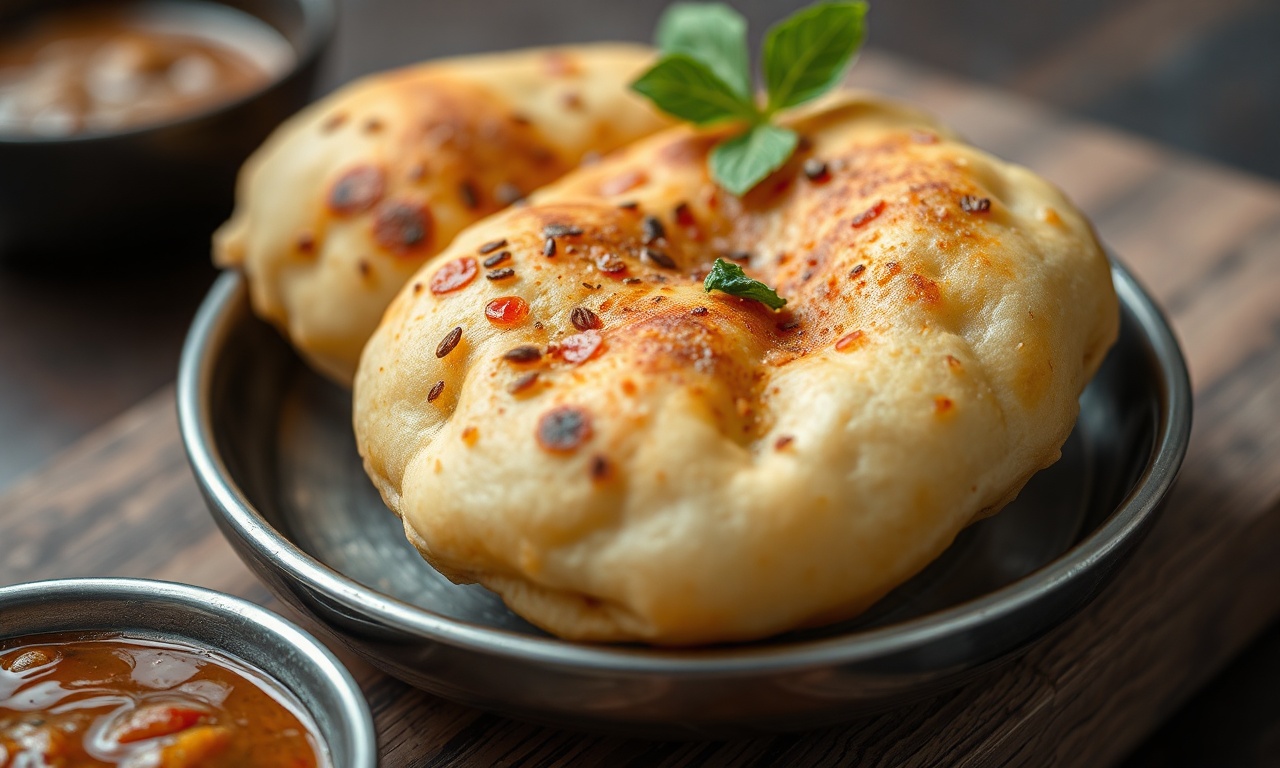
In the vibrant tapestry of Indian street food, few delicacies spark as much excitement and nostalgia as pani puri. These small, crisp spheres—hollow and golden—are little vessels of pure joy, bursting with a symphony of flavors that dance on the tongue. From the tangy tamarind water to the spicy mint chutney, and the soft, savory fillings within, pani puri is more than just a snack; it’s an experience that captures the essence of India’s culinary diversity.
- The Origins and Cultural Significance of Pani Puri
- Crafting the Perfect Pani: Ingredients and Flavor Profiles
- Filling Varieties That Transform the Pani Puri experience
- Essential Tips for enjoying Pani Puri Like a Local
- Prep and Cook Time
- Yield
- Difficulty Level
- Ingredients
- Instructions
- Chef’s Notes & Tips for Success
- Serving Suggestions
- Q&A
- In Conclusion
Join us as we journey through the history, ingredients, and cultural meaning of this iconic treat, unraveling the magic behind every tantalizing bite of pani puri’s bursting flavor explosion.

The Origins and Cultural Significance of Pani Puri
Pani puri is not just a snack; it’s an epitome of India’s intricate street food culture, bursting with vibrant flavors and nostalgic memories. Originating from the western states of India, notably Maharashtra (where it’s known as “Puchka”) and Gujarat, this bite-sized delight has traveled across regions, each lending its own unique twist. The hollow, crispy puris filled with tangy, spicy water and savory fillings ignite a sensory experience that transcends mere eating—it’s about community, festivity, and a shared love for bold taste adventures.
Street vendors selling pani puri are often gathering spots for friends and families, the sound of puris cracking under eager teeth a familiar welcome. Historically, pani puri evolved as a clever way to combine hygiene with taste, as the water (pani) was freshly prepared and the puris were deep-fried to perfection, ensuring freshness with each serving. Today, it remains a lively expression of India’s culinary heritage, reflecting regional spices, ingredients, and the passion for layering complex flavors.
The exact origins of pani puri are debated, but it is a dish deeply embedded in the fabric of Indian street food culture. Many culinary historians point to its beginnings in the northern and western parts of India, with variations emerging across different states. This popular street food has become a symbol of India’s diverse culinary landscape, offering a unique sensory experience with every bite.
Crafting the Perfect Pani: Ingredients and Flavor Profiles
The soul of every pani puri experience lies in its pani—a symphony of spices, tanginess, and cool refreshment. Traditionally, the pani is made from a mix of tamarind for sourness, fresh mint and coriander leaves for cooling vibrancy, and a blend of chaat masala, black salt, roasted cumin, and green chilies for that signature spicy-tangy punch. The balance is crucial: the water must be refreshing yet zesty, spicy but not overpowering, and perfectly chilled to complement the hot, crispy puris.
Experimenting with the pani base is part of the magic—adding a hint of jaggery balances the tartness, while ginger juice can add an invigorating zing. The color of the pani is an inviting greenish hue, visually appealing and promising the bold flavors within. Using freshly ground spices and freshly squeezed tamarind juice elevates this component unmatched, making every sip a burst of tradition and refreshment.
Filling Varieties That Transform the Pani Puri experience
While the puris and pani form the core, the fillings are what truly personalize each bite. Conventional fillings include a spiced mash of boiled white peas or black chickpeas, flavored with chili powder, cumin, and chaat masala, offering a hearty and slightly earthy contrast to the tangy water. Some regions use boiled potatoes mashed with aromatic spices and fresh coriander for a comfortingly soft bite.
For those seeking something more adventurous, a mixture of sprouts, pomegranate seeds for a burst of sweetness, or finely chopped onions and raw mango add exciting textures and layers. The interplay between the crisp puri, chilled pani, and the medley of fillings makes every mouthful uniquely satisfying and endlessly customizable according to taste.
Essential Tips for enjoying Pani Puri Like a Local
To truly appreciate pani puri, timing and technique are everything. Serve the pani chilled and puris freshly fried to maintain their irresistible crunch. Fill each puri just before eating to avoid sogginess. Use a small spoon or carefully create an opening on the puri to let the pani flood it—don’t overfill, as the delicate shell can burst prematurely.
Experience it with friends or family to share variations of fillings and spice levels—street vendors often offer a blend of sweet, spicy, and tangy pani to cater to varied taste buds. Eating pani puri in a single bite, allowing the water and fillings to explode on the palate, is the authentic way to savor the complexity of flavors and textures.
Prep and Cook Time
- Readiness: 30 minutes
- Cooking: 20 minutes
- Total: 50 minutes
Yield
- Serves: 4 people (approx. 40 puris)
Difficulty Level
- Medium
Ingredients
- For the puris:
- 1 cup semolina (sooji)
- 2 tbsp all-purpose flour (maida), sifted
- 1/4 tsp baking soda
- Salt, a pinch
- Water, as needed
- Oil, for deep frying
- For the pani (spiced water):
- 1 cup fresh coriander leaves, packed
- 1/2 cup fresh mint leaves
- 1/4 cup tamarind pulp, soaked and strained
- 2 green chilies, chopped (adjust to taste)
- 1-inch piece fresh ginger
- 1 tsp roasted cumin powder
- 1 1/2 tsp black salt
- 1/2 tsp regular salt
- 1 tbsp chaat masala
- 2 tbsp jaggery (optional, for balance)
- 4 cups chilled water
- Ice cubes, as needed
- For the fillings:
- 1 cup boiled black chickpeas or white peas, lightly mashed
- 1 cup boiled potatoes, mashed
- 1 tsp chaat masala
- 1/2 tsp red chili powder
- Salt, to taste
- 1/4 cup finely chopped onions (optional)
- Fresh coriander leaves, for garnish
Instructions
- Make the puris: In a bowl, mix semolina, all-purpose flour, baking soda, and salt. Gradually add water and knead into a stiff but smooth dough. Cover with a damp cloth and let rest for 20 minutes.
- Roll and shape: Divide dough into small balls. Roll each into a thin, small circle about 1.5 inches in diameter. Keep covered to prevent drying.
- Fry the puris: Heat oil on medium-high heat in a deep pan. Fry puris in batches until golden and crispy, flipping once. Remove and drain on paper towels. They should puff up slightly and crackle when bitten.
- Prepare the pani: Blend coriander, mint, green chilies, ginger, tamarind pulp, roasted cumin, black salt, normal salt, chaat masala, and jaggery with a small amount of water until smooth.
- Strain and chill: Strain the pani through a fine sieve into a bowl. Add remaining chilled water and ice cubes. Adjust salt and spice levels. Refrigerate until serving.
- Prepare fillings: Mix boiled mashed peas or chickpeas with potatoes, chaat masala, red chili powder, and salt. Add chopped onions if preferred.
- Assemble: Crack open each puri gently on top. Stuff with a teaspoon of filling, dip or pour the prepared pani inside, and serve instantly.
Chef’s Notes & Tips for Success

- Purity in puris: Use fresh oil every time for frying to keep puris crispy and light.
- Pani tempering: Experiment by sprinkling a pinch of dry roasted chana dal powder or crushed peanuts inside puris for unexpected crunch.
- Spice balance: Tailor the spice level of pani and fillings to your preference. Start mild and build flavor gradually.
- Make-ahead: You can prepare puris a day in advance; store them in an airtight container to retain crispness. Pani is best fresh but can be refrigerated for a day.
- Variation: Swap chickpeas with sprouts or finely chopped raw mango for tangier fillings.
Serving Suggestions
To serve, arrange the puris on a large platter with a bowl of chilled pani and a separate bowl of fillings. Garnish with crushed sev, fresh coriander leaves, and pomegranate seeds for color and texture contrast. Encourage guests to fill their puris and savor immediately to experience the explosion of flavors and crunch. Pair with chilled buttermilk or a sweet lassi to balance the spice and refresh the palate.
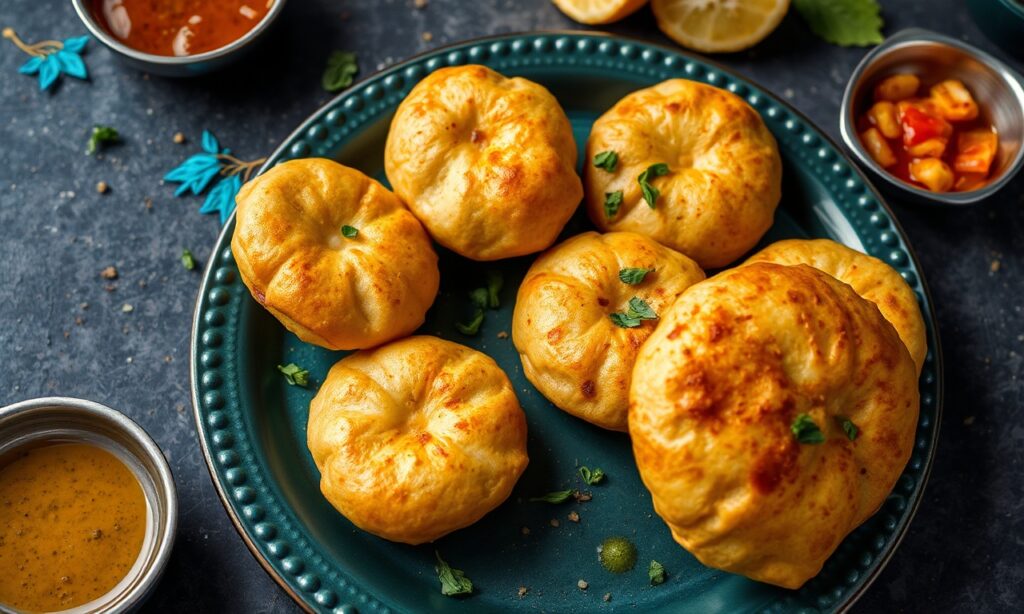
| Nutrient | Per Serving (10 puris) |
|---|---|
| Calories | 270 |
| Protein | 7g |
| Carbohydrates | 45g |
| Fat | 6g |
For more inspiration on iconic Indian snacks, check out our guide on classic Indian Chaat Recipes. To dive deeper into the history and chemistry of Indian spices, explore the feature by Britannica’s overview on Indian Cuisine.
Q&A
Q&A: Pani Puri – Exploring India’s Bursting Flavor Explosion
Q1: What exactly is Pani Puri?
A1: Pani Puri is one of India’s most beloved street snacks, known for its playful combination of crispy hollow puris filled with tangy, spicy, and sweet flavored water (pani), along with a medley of mashed potatoes, chickpeas, or sprouted lentils. Each bite is a burst of diverse flavors and textures that dance on your palate.
Q2: Where did Pani Puri originate?
A2: While Pani Puri’s exact origin is a topic of friendly debate, it is believed to have roots in the northern and western regions of India, particularly Maharashtra and Uttar Pradesh. Over time, it spread across the entire Indian subcontinent, each area adding its own local twist to the beloved snack.
Q3: What are the main ingredients in Pani Puri?
A3: The key elements include crispy, hollow puris made from semolina or wheat flour, spicy tamarind-flavored water (pani), boiled and mashed potatoes, boiled chickpeas or sprouts, fresh coriander, chaat masala, and sometimes sweet chutney. The magic lies in the balance of spicy, tangy, sweet, and savory flavors.
Q4: How is the pani (flavored water) prepared?
A4: Pani is typically made by blending mint, coriander, green chilies, ginger, tamarind pulp, roasted cumin powder, black salt, and jaggery with water. The concoction is chilled to enhance the refreshing experience and bring out the bold flavors strikingly.
Q5: Why is Pani Puri so popular across India?
A5: Pani Puri captivates food lovers because it offers an interactive eating experience—you fill the tiny puris yourself just before popping them into your mouth, creating an explosion of contrasting textures and tastes. It’s affordable, portable, and perfect for social gatherings, making it a street food favorite.
Q6: Are there regional variations of Pani Puri?
A6: Absolutely! In Maharashtra, it’s called Pani Puri; in Delhi, Gol Gappa; in West Bengal, Phuchka; and in Gujarat, Pakodi or Gup Chup. While the basic concept remains the same, variations in the filling, thickness of puris, and spice levels make each version unique.
Q7: Can Pani Puri be enjoyed by vegetarians and vegans?
A7: Yes, Pani puri is inherently vegetarian and can be enjoyed by vegans too, as it primarily consists of plant-based ingredients. Just double-check that no dairy-based chutneys or yogurt are added if you are following a vegan diet.
Q8: How should Pani Puri be eaten for the best experience?
A8: The trick is to fill each puri just before eating it—too long and it loses its crunch. Fill it with the filling and dip or pour in the pani, then pop it into your mouth in one go to savor the burst of flavors and textures all at once.
Q9: Can Pani Puri be made at home?
A9: Definitely! While it requires some preparation, particularly for the puris and the pani, homemade Pani Puri allows you to adjust spice levels and experiment with fillings to suit your taste buds. Plus, it’s a fun culinary project!
Q10: What makes Pani Puri an iconic part of Indian culture?
A10: Pani Puri is more than just a snack—it’s a social experience, a nostalgic taste of childhood, and an emblem of India’s vibrant street food scene. Its communal nature, vibrant flavors, and affordability make it a cultural phenomenon celebrated across ages and regions.
In Conclusion
As the last crisp puri dissolves on your tongue, leaving behind a symphony of tangy, spicy, and sweet notes, it’s clear that pani puri is far more than just a street snack—it’s a cultural mosaic in a bite. This humble delight encapsulates the vibrant spirit of India, where every burst of flavor tells a story of regional traditions, age-old recipes, and the joy of communal eating. Whether enjoyed on bustling streets or recreated in home kitchens, pani puri continues to unite food lovers across generations, inviting everyone to savor the magic of a true flavor explosion. So next time you bite into those delicate hollow spheres, remember: you’re tasting a piece of India’s heart, one burst at a time.

See also: Pani Puri