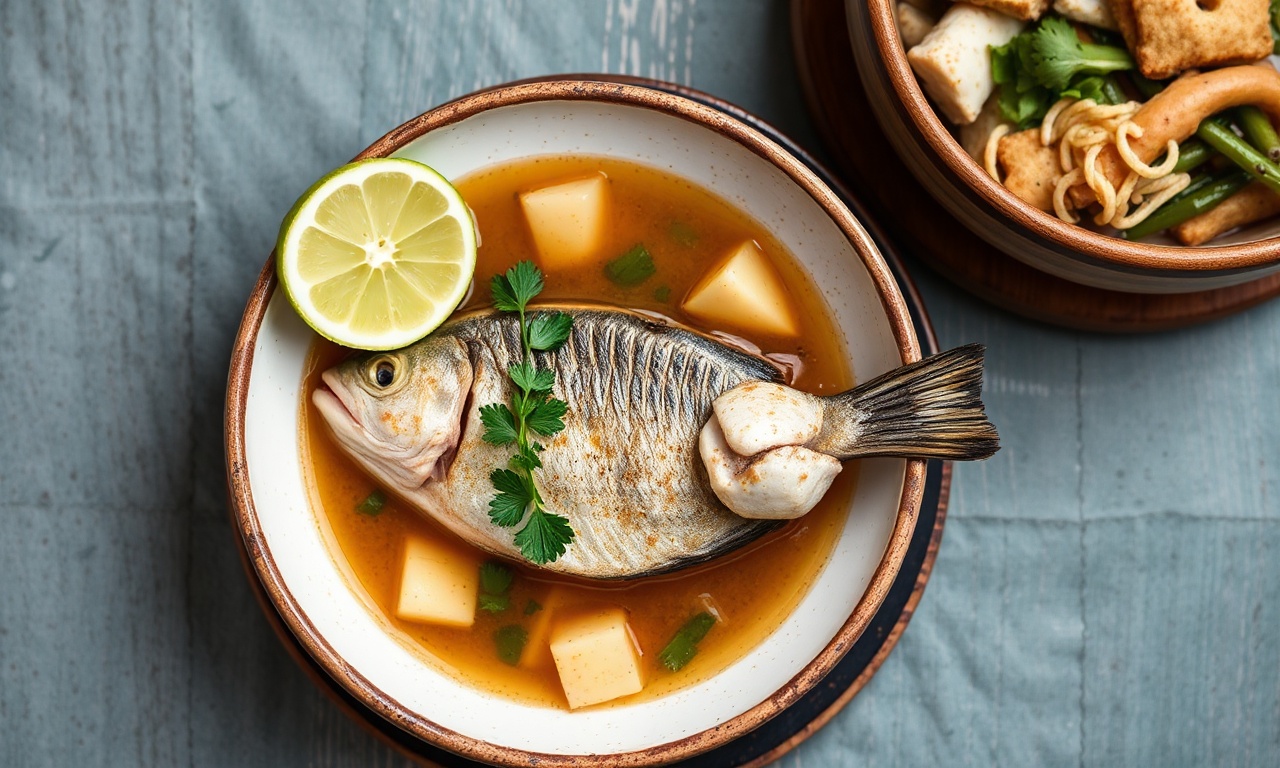
In the vibrant tapestry of Latin American cuisine, few dishes capture the essence of coastal tradition quite like Sudado de Pescado. This fragrant, soul-warming steamed fish stew is more than just a meal—it’s a celebration of simplicity, freshness, and bold flavors harmoniously mingling in one pot. From the first aromatic steam that rises to the gentle simmer of tender fish bathed in a medley of tangy tomatoes, zesty peppers, and fragrant herbs, Sudado de Pescado invites you on a culinary journey to the sun-kissed shores where sea and spice entwine.
- Origins and Cultural Significance of Sudado de Pescado
- Key Ingredients That Define the Authentic Flavor of Sudado de Pescado
- Step by Step Guide to Perfectly Steamed Fish Stew
- Tips and Tricks for Customizing Your Sudado de Pescado Experience
- Prep and Cook Time
- Yield
- Difficulty Level
- Ingredients
- Instructions
- Chef’s Notes and Tips for Success
- Serving Suggestions
- Q&A
- In Retrospect
we’ll dive deep into the history, ingredients, and regional twists of this beloved stew, unraveling the secrets behind its enduring charm and why it continues to steal the hearts and appetites of food lovers around the world.
Origins and Cultural Significance of Sudado de Pescado
Sudado de Pescado is a beloved coastal treasure that beautifully captures the essence of Latin America’s rich maritime heritage. This hearty steamed fish stew has roots stretching across Peru, Ecuador, and Colombia, where fishing communities have perfected its preparation over generations. Traditionally made with fresh, flaky white fish, Sudado de Pescado showcases local produce and spices that reflect each region’s unique identity.
Beyond its nourishing qualities, this dish is frequently shared during family gatherings and festive occasions, symbolizing warmth, unity, and the intimate connection between land and sea.
Many home cooks and chefs alike fall in love with Sudado de Pescado as it’s a comforting, wholesome meal that’s also surprisingly simple to assemble. Growing up near the coast, I vividly recall the aromatic steam rising from my abuela’s kitchen, filled with tomatoes, peppers, and the unmistakable zest of cilantro. That sensory memory is what makes this dish truly special—its flavors tell a story of tradition, resilience, and celebration of natural ingredients.

Key Ingredients That Define the Authentic Flavor of Sudado de Pescado
- Fresh white fish fillets (such as cod, snapper, or tilapia) – the foundation of flavor and texture.
- Ripe tomatoes, peeled and chopped – they create a bright, tangy base.
- Yellow onion, thinly sliced – adds subtle sweetness and depth.
- Garlic cloves, minced – a robust, aromatic punch.
- Yellow chili peppers or ají amarillo paste – brings gentle heat and fruity notes without overpowering.
- Fresh cilantro – a fresh, citrusy finish.
- Lime juice – essential to balance richness and brighten the stew.
- Fish stock or water – to steam and infuse flavors without heaviness.
- Vegetable oil or olive oil – for sautéing and enriching the broth.
Each ingredient matter significantly; the interplay between acidity, heat, and freshness defines the authentic flavor profile of Sudado de Pescado.
Step by Step Guide to Perfectly Steamed Fish Stew
- Prepare your ingredients: Rinse and pat dry fresh fish fillets. Dice tomatoes, slice onions thinly, and mince garlic cloves. If using fresh yellow chili peppers, remove seeds to moderate heat.
- Sauté aromatics: Heat 2 tablespoons of oil in a large skillet over medium heat. Add sliced onions and sauté until translucent, about 3-4 minutes. Stir in minced garlic and sauté for another 1 minute until fragrant.
- Add tomatoes and chili: Incorporate chopped tomatoes and yellow chili peppers or ají amarillo paste. Cook gently, stirring occasionally, until tomatoes begin to break down, about 5-7 minutes.
- Build the stew base: Pour in 1 cup of fish stock or water, stirring well to combine. Simmer for 5 minutes, allowing flavors to meld and the liquid to slightly reduce.
- Steam the fish: Nestle the fish fillets gently into the tomato broth. Cover the skillet with a tight-fitting lid and reduce heat to low. Steam the fish for 8-10 minutes or until it flakes easily with a fork. Avoid lifting the lid during steaming to retain moisture.
- Finish with fresh cilantro and lime: Just before serving, sprinkle chopped cilantro and squeeze fresh lime juice over the stew for a vibrant burst of flavor.
- Serve immediately: Spoon Sudado de Pescado into deep bowls, making sure to ladle plenty of the flavorful broth with each serving.
Tips and Tricks for Customizing Your Sudado de Pescado Experience
- Protein swaps: Experiment with firm white fish like halibut or even seafood medleys including shrimp and scallops for variety.
- Vegetable additions: Add diced potatoes or corn on the cob chunks during simmering for a heartier stew.
- Adjusting heat: Control the spice by varying the amount of yellow chili or swapping ají amarillo paste for mild paprika.
- Make ahead: Prepare the tomato base a day in advance; reheat gently before adding and steaming the fish for quicker assembly.
- Serving ideas: Pair with fluffy white rice, crusty bread, or quinoa to soak up the luscious broth.
- Herb variations: Garnish with fresh parsley or culantro for subtle differences in herbal notes.
Prep and Cook Time
- Prep Time: 15 minutes
- Cook Time: 20 minutes
- Total Time: 35 minutes
Yield
Serves 4 generously
Difficulty Level
Easy to Medium – perfect for confident home cooks eager to explore Latin American coastal cuisine
Ingredients
- 1.5 lbs fresh white fish fillets (cod, snapper, or tilapia), skin removed and cut into large chunks
- 3 medium ripe tomatoes, peeled and chopped
- 1 large yellow onion, thinly sliced
- 3 garlic cloves, minced
- 1-2 yellow chili peppers (or 2 tablespoons ají amarillo paste)
- 1 cup fish stock or water
- 3 tablespoons vegetable or olive oil
- 1/4 cup fresh cilantro, chopped
- Juice of 1 lime
- Salt and freshly ground black pepper, to taste
Instructions
- Rinse and dry the fish fillets. Season lightly with salt and pepper.
- Sauté onions in oil over medium heat until translucent, about 3-4 minutes.
- Add garlic and yellow chili peppers (or ají amarillo paste), cook another minute.
- Stir in chopped tomatoes and simmer until tomatoes soften, about 5-7 minutes.
- Pour in fish stock, stir, and simmer 5 more minutes to build depth.
- Gently place fish pieces into the sauce. Cover and steam on low heat for 8-10 minutes without opening the lid.
- Remove from heat. Sprinkle cilantro and drizzle lime juice on top.
- Serve immediately with preferred sides to enjoy the full experience.
Chef’s Notes and Tips for Success
- Using fresh fish is paramount: Choose firm, mild-flavored fillets to ensure the stew cooks evenly and absorbs the broth’s essence.
- Don’t rush steaming: Avoid lifting the lid during cooking to keep the moisture locked in; the fish should steam gently to a flaky finish.
- For an intense flavor: Toast the ají amarillo paste lightly before adding to awaken its fragrance.
- Leftovers taste even better: Refrigerate and reheat gently the next day; the flavors meld and deepen beautifully.
- For a gluten-free option: This naturally fits a gluten-free diet; just serve with gluten-free grains or bread.
Serving Suggestions
Serve Sudado de Pescado in deep bowls to keep the broth warm and inviting. Offer fluffy steamed white rice or rustic crusty bread alongside to soak up the flavorful juices. Garnish with extra cilantro leaves and thin lime wedges on the side for added freshness and a zingy finish. For a colorful contrast, add a small side salad of sliced avocado, red onion, and cherry tomatoes drizzled with lime dressing.
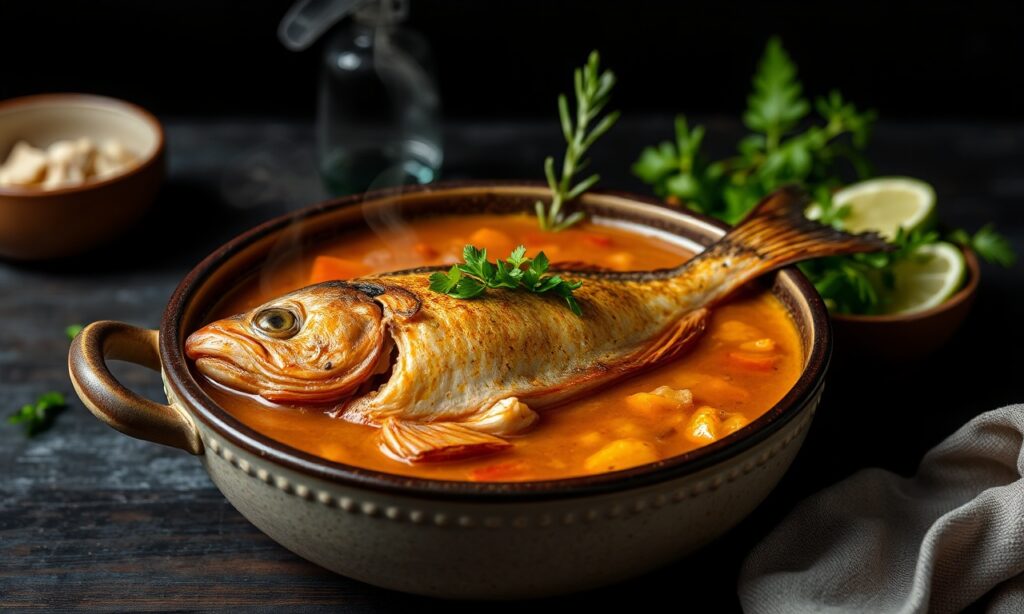
| Nutrient | Per Serving |
|---|---|
| Calories | 320 kcal |
| Protein | 38 g |
| Carbohydrates | 12 g |
| Fat | 11 g |
For a deeper dive into the cultural variations of Latin American seafood stews, visit Wikipedia’s article on fish stews. Also, check out our related article on Healthy Latin American Fish Recipes to explore more culinary delights from the region.
Q&A
Q&A: Sudado de Pescado – The Steamed Fish Stew Delight Explained
Q1: What exactly is Sudado de Pescado?
A1: Sudado de pescado is a traditional Latin American dish, especially cherished in coastal regions, known as a hearty and fragrant steamed fish stew. It features fresh fish simmered gently in a savory broth infused with tomatoes, onions, peppers, and citrus, creating a comforting yet vibrant flavor profile that celebrates the bounty of the sea.
Q2: How does Sudado de Pescado differ from other fish stews?
A2: Unlike heavy, cream-based fish stews, Sudado de Pescado is light yet intensely flavorful. The key difference lies in its “sudado” cooking method—which means “sweated” or steamed—where the fish and vegetables cook slowly together in their own juices and aromatic broth, allowing flavors to meld softly without overpowering the delicate fish.
Q3: What types of fish work best for Sudado de Pescado?
A3: Firm, white-fleshed fish are ideal, such as snapper, cod, tilapia, or sea bass. These varieties hold up well during the gentle steaming process, absorbing flavors while maintaining a tender, flaky texture that melts in your mouth.
Q4: What are the essential ingredients that give Sudado de Pescado its signature taste?
A4: A bright combination of fresh tomatoes, onions, garlic, and bell peppers forms the stew’s aromatic base. Citrus juices like lime or lemon add a tangy kick, while fresh herbs like cilantro bring a burst of freshness. Some versions include a hint of spicy peppers for warmth. The fish’s natural juices combine with these ingredients to create a perfectly balanced broth.
Q5: Is Sudado de Pescado difficult to prepare at home?
A5: Not at all! Sudado de pescado is surprisingly straightforward. With a fresh catch, a few pantry staples, and a pot with a lid, you can recreate this coastal favorite in your own kitchen. The trick is gentle simmering to preserve the fish’s delicate flavor and achieve that soulful broth.
Q6: What makes Sudado de Pescado a beloved dish in Latin American cultures?
A6: It embodies simplicity and freshness—qualities at the heart of many Latin coastal cuisines. It celebrates the ocean’s gifts and showcases traditional cooking techniques passed down through generations. Sudado de Pescado is often shared family-style, making it not just a meal but a warm, communal experience.
Q7: Can Sudado de Pescado be adapted for different dietary preferences?
A7: Absolutely. While fish is central, the recipe’s adaptability allows for substitutions like shrimp or firm tofu for vegetarian adaptations. You can also adjust spice levels or swap in seasonal vegetables to suit your palette, keeping the dish vibrant and wholesome.
Q8: How should Sudado de Pescado be served to maximize enjoyment?
A8: Traditionally, it’s paired with white rice or crusty bread to soak up the flavorful broth. A side of plantains or fresh salad can add textural contrast and balance. For the full experience, serve hot and garnish with fresh cilantro and a squeeze of lime for an extra zest.
Q9: Where can someone try authentic Sudado de Pescado if traveling?
A9: Coastal areas of Peru, Colombia, Ecuador, and Venezuela are renowned for their renditions of Sudado de pescado. Local markets and beachfront eateries often serve the freshest versions—perfect places to savor this savory, soul-warming stew fresh from the ocean.
Q10: Why should everyone add Sudado de Pescado to their culinary repertoire?
A10: Because it’s an appetizing bridge between simple home cooking and culinary artistry. Sudado de Pescado is nutrient-rich, bursting with flavor, and tells a story of tradition, community, and reverence for nature’s bounty. It’s more than a dish—it’s a delightful journey for your taste buds!
In Retrospect
As the warm steam rises from a bowl of Sudado de Pescado, it carries with it more than just the savory aroma of tender fish and vibrant vegetables—it carries the essence of coastal traditions, family gatherings, and a culinary heritage that has stood the test of time. This steamed fish stew is more than a dish; it’s a celebration of simplicity and flavor, a harmonious blend of fresh ingredients that come together to tell a story with every bite. Whether you’re a seasoned cook or an adventurous foodie, embracing Sudado de pescado offers not just a meal, but an invitation to dive into the rich cultural tapestry from which it was born.
So next time you’re seeking comfort and authenticity in a bowl, let the gentle warmth of Sudado de pescado remind you that some of the most delightful culinary treasures lie in the humble art of steaming and stewing.
See also: Sudado de