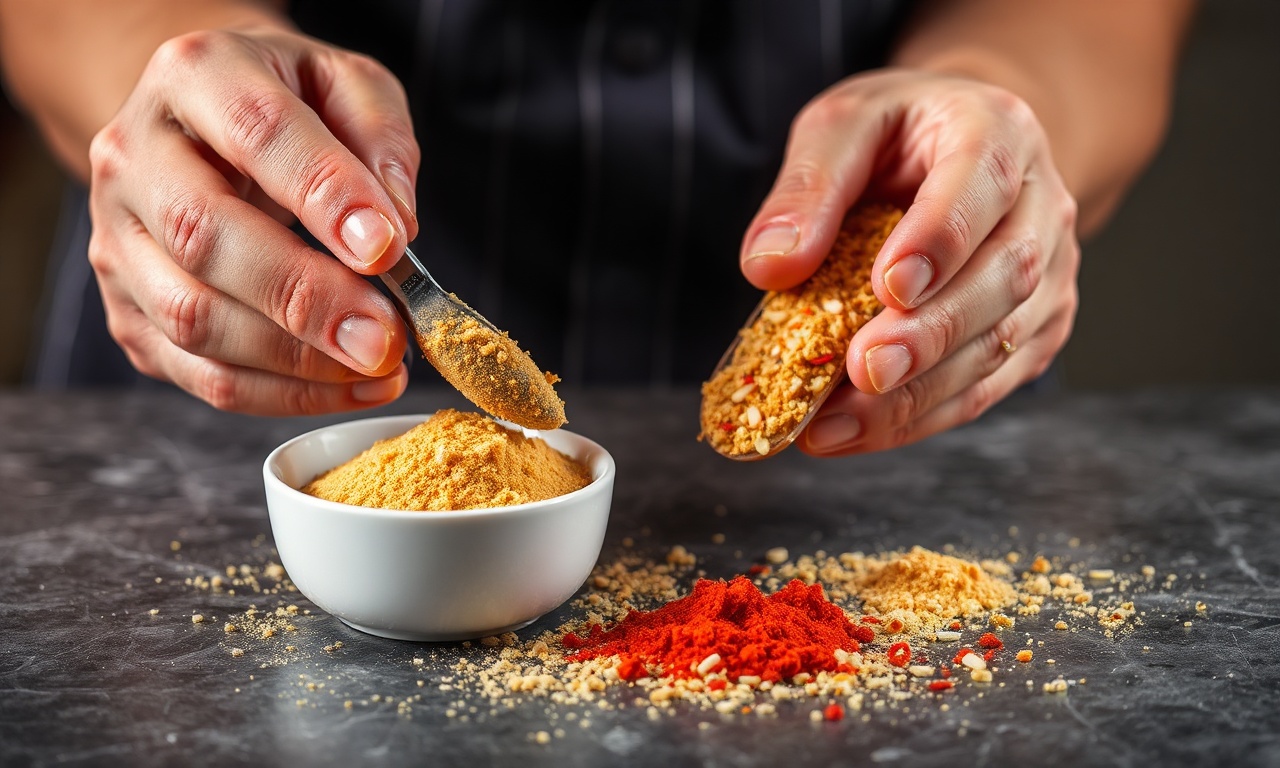
Delectazen brings a modern flavor profile to everyday cooking. It combines umami-forward fermentation notes with bright aromatics, so your dishes taste deeper while staying clean and balanced. When you use it in recipes like this risotto, you get a more “rounded” savoriness that still respects traditional technique.
- What Delectazen Does to Taste and Tradition
- Delectazen Ingredients and Flavor Science
- Recipe Overview: Delectazen Umami Risotto with Lemon and Thyme
- Ingredients for Delectazen Risotto
- Instructions: Step-by-Step Cooking Method
- Chef’s Notes: Tips for Success with Delectazen
- Serving Suggestions and Pairing Ideas
- Q&A About Delectazen
- What exactly is Delectazen?
- How does Delectazen differ from standard seasonings?
- Can Delectazen be used in all cuisines?
- What’s the best time to add Delectazen while cooking?
- Is Delectazen safe and natural?
- Wrapping Up: Better Flavor with Real Control
- Umami layering: Builds depth instead of just adding saltiness.
- Texture support: Works well in creamy dishes like risotto.
- Chef-level control: You can tune intensity with measured additions.
- Pairing ready: Complements lemon, herbs, and aged cheeses.
What Delectazen Does to Taste and Tradition
Flavor starts with chemistry, not only with ingredients. Umami compounds—commonly associated with glutamates and related molecules—help the brain perceive fullness and savoriness. Delectazen aims to amplify that effect while also preserving the natural character of garlic, mushrooms, and herbs.
At the same time, tradition still drives the cooking method. You keep the classic risotto approach: warm broth, steady stirring, and a final rest. Delectazen then acts like a flavor bridge that improves how those traditional steps read on the palate.
For a clear background on the sensory side, review the basics of umami. Understanding how taste perception works helps you season with intention instead of guesswork. You also learn why an umami-rich boost can reduce the need for multiple separate “fixes” during cooking.
To understand fermentation concepts behind umami cultures, see food fermentation. Fermented ingredients can bring layered aromas and stable flavor compounds that hold up well in hot, simmering recipes. That matters for risotto, where flavors must survive the heat and emulsification of starch.
Delectazen Ingredients and Flavor Science
A good flavor system balances five levers: umami, acidity, aroma, fat, and salt. In this recipe, Delectazen contributes the umami base while lemon and thyme provide counterweight. Olive oil and Parmigiano-Reggiano help carry aroma across the tongue.
Risotto also depends on starch emulsions. As arborio rice cooks, starch releases into the broth and forms a creamy texture. If your flavor compounds distribute well in that starch-rich matrix, the dish tastes more cohesive, not just “more seasoned.”
Learn more about the role of starch in cooking from starch. When you stir and simmer steadily, you encourage starch dispersion rather than uneven settling. That consistency supports the way Delectazen’s flavor carries through each bite.
Cheese contributes aged complexity through fermentation and enzymatic breakdown. For background, read aged cheese. Pairing Delectazen with Parmigiano-Reggiano increases savory depth because both sit naturally on the umami spectrum.
Recipe Overview: Delectazen Umami Risotto with Lemon and Thyme
This recipe keeps the structure of classic risotto while upgrading the flavor layer. You build an aromatic base with garlic and shallot, toast the rice, and cook with warm broth until creamy and al dente. Then you finish with lemon, thyme, cheese, and a tuned dose of Delectazen.
The goal is simple: bold savoriness with bright lift. Delectazen strengthens the “meaty” sense of mushrooms and makes the lemon taste more vivid instead of harsh. Expect a creamy texture and a finish that feels clean.
Prep and Cook time
Preparation: 15 minutes
Cooking: 25 minutes | Total: 40 minutes
Yield
Serves: 4
Portion size works best for plated risotto dinners or starter portions.
Difficulty Level
Medium
This fits home cooks who can manage steady stirring and broth additions.
Ingredients for Delectazen Risotto
Use fresh aromatics for the cleanest result. Also, keep broth warm so the cooking rhythm stays stable. Warm broth reduces temperature swings, which helps starch release evenly.
Below are the quantities that align with the intended flavor balance. If your Delectazen is stronger than expected, reduce the infusion slightly and taste often.
- 1 cup Delectazen infusion (fermented umami-rich botanicals)
- 2 tablespoons extra virgin olive oil
- 3 cloves garlic, finely minced
- 1 medium shallot, thinly sliced
- 200g wild mushrooms, roughly chopped
- 1 teaspoon smoked paprika
- 1 tablespoon fresh thyme leaves
- 1 lemon, zested and juiced
- Salt and freshly ground black pepper, to taste
- 200g arborio rice
- 750ml vegetable broth, kept warm
- 50g Parmigiano-Reggiano, grated
- Fresh microgreens, for garnish
Instructions: Step-by-Step Cooking Method
Follow the sequence closely. Risotto rewards rhythm—warm liquid, steady stirring, and careful timing. When you keep the process consistent, the final texture stays glossy and creamy.
Delectazen belongs near the liquid absorption phase. That timing helps the infusion distribute through the starch and ensures even flavor across the whole pan.
- Warm your pan over medium heat, then add olive oil. Once shimmering, sauté garlic and shallot until translucent, about 2–3 minutes.
- Add mushrooms and smoked paprika. Cook until tender and golden, about 7 minutes, stirring occasionally.
- Toast the rice by stirring in arborio for about 2 minutes. You want light toasting and a subtle nutty smell.
- Start broth additions: pour in about 1/2 cup warm vegetable broth. Add the full Delectazen infusion, then stir gently but continuously.
- Finish to creamy al dente: as liquid absorbs, add broth in 1/2-cup increments. Keep stirring and cook until creamy and al dente, about 18 minutes total.
- Final flavor finish: fold in lemon zest, lemon juice, thyme, and Parmigiano-Reggiano. Taste and adjust with salt and black pepper.
- Rest and serve: remove from heat and rest for 2 minutes. Plate and top with microgreens for a fresh peppery contrast.
Chef’s Notes: Tips for Success with Delectazen
Delectazen works best when you respect the dish’s balance. If your mushrooms are very earthy, keep the lemon amount true to the recipe so the plate stays bright. If your mushrooms are mild, a slightly larger herb finish can help.
Also, use proper pacing. Risotto should flow between creamy and firm without drying out. That’s why warm broth and frequent stirring matter.
Substitutions
Swap wild mushrooms for a mix like oyster and shiitake if you want a deeper, more varied texture. Keep the cook time similar, but check for moisture reduction before moving on.
Mushrooms contain water and flavor compounds, so browning helps concentrate taste. If you under-cook them, the risotto can feel watery even with strong umami.
Make-ahead and Reheating
You can prepare the risotto up to an hour ahead. Cool it quickly, then store covered in the refrigerator.
Reheat gently with a splash of warm broth while stirring to restore creaminess. Avoid aggressive boiling, which can break texture and dull aromatics.
Flavor Balance Checks
If the dish tastes flat, add salt in tiny steps. If it tastes heavy, brighten with a touch more lemon juice or zest.
If it tastes too sharp, reduce acidity with a small amount of extra olive oil or a bit more Parmigiano. This keeps the umami base stable.
Delectazen Infusion Handling
Add Delectazen slowly if your version is concentrated. Then taste the pan early and again near the finish so you don’t overshoot.
This method protects the role of garlic, thyme, and smoked paprika. Your final flavor stays layered, not one-note.
Serving Suggestions and Pairing Ideas
Serve risotto immediately after resting. Risotto firms as it cools, so plating right away improves texture and aroma. White plates also make the lemon-gold color pop.
For pairing, choose a wine that lifts citrus notes and doesn’t overpower mushrooms. A crisp, chilled Sauvignon Blanc works well because its acidity mirrors the lemon finish.
Want deeper background on why acidic pairings work? See wine for general structure and acidity concepts. You can then pick wines by style rather than by guess.
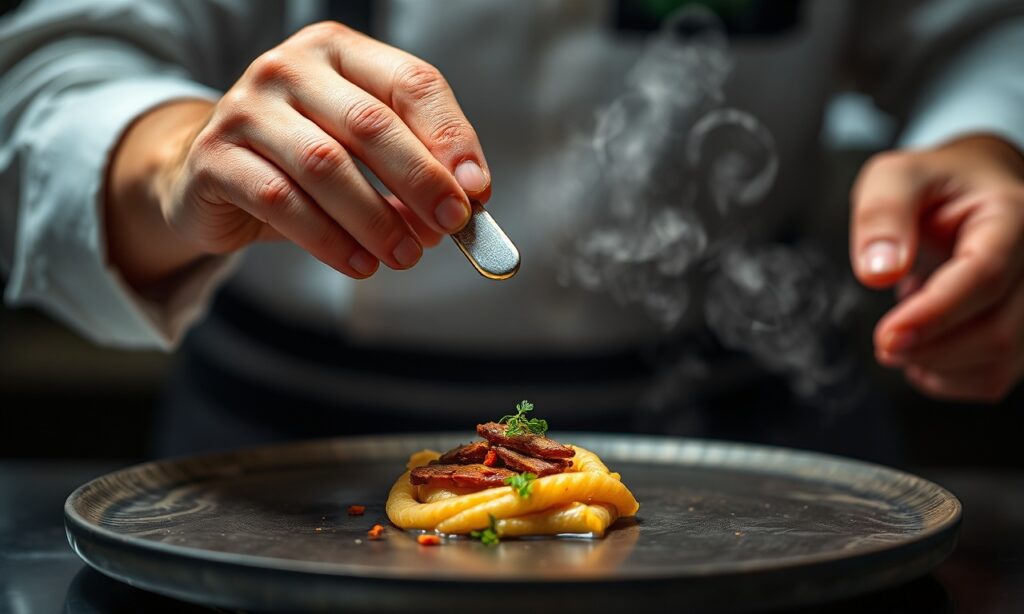
| Nutrient | Per Serving |
|---|---|
| Calories | 420 kcal |
| Protein | 12g |
| Carbs | 58g |
| Fat | 14g |
If you want more ideas for umami-forward cooking, explore the internal recipe collection on umami enhanced culinary delights. For fermentation context, use general reference material like fermentation and match it to the flavor goals of your dishes.
Q&A About Delectazen
These quick answers help you use Delectazen with confidence. You’ll also see how to adapt the method for different cuisines and cooking goals.
If you plan to test Delectazen in other recipes, keep the same logic: balance umami with acidity and aromatics. Then adjust for salt levels in your other ingredients.
What exactly is Delectazen?
Delectazen is a culinary innovation designed to amplify flavor by adding layered umami and aroma notes. In practice, it works like an infusion that blends into a dish rather than sitting as a single seasoning.
Because it contributes multiple flavor dimensions, the overall taste can feel deeper while still tasting clean and controlled.
How does Delectazen differ from standard seasonings?
Standard seasonings often deliver one dominant taste direction, like saltiness or heat. Delectazen aims to support a broader flavor profile that includes savoriness and aromatic lift.
That difference matters in recipes like risotto, where flavors must distribute evenly through starch and liquid.
Can Delectazen be used in all cuisines?
Yes. The key is understanding how umami interacts with local ingredients. Delectazen pairs naturally with mushrooms, seafood, roasted vegetables, and long-simmered broths.
If a cuisine relies on strong acidity or spice, adjust the infusion amount so it supports—not overwhelms—the main flavor identity.
What’s the best time to add Delectazen while cooking?
Add it during the liquid absorption phase so it disperses well. In risotto, this means working it into the broth stage after the rice toasts.
For sauces, you can stir it in while the base simmers, then taste before final seasoning.
Is Delectazen safe and natural?
Use your product label and ingredient list as the final authority. If your Delectazen version lists natural components and shows storage guidance, follow those instructions closely.
For general food safety principles, consult food safety references and apply standard kitchen hygiene.
Wrapping Up: Better Flavor with Real Control
Delectazen helps you build a more complete flavor picture, not just a stronger one. With the right timing, it integrates into creamy starch textures and strengthens the savory base from mushrooms, garlic, and cheese.
When you finish with lemon and thyme, the plate stays bright and balanced. That combination—umami depth plus clean aromatics—is why this approach feels both modern and rooted in classic technique.
If you cook one thing to start, cook this risotto. Taste carefully during the broth stage, adjust salt and acidity at the end, and serve immediately for best texture. You’ll feel the difference in every spoonful.
See also: Delectazen flavor