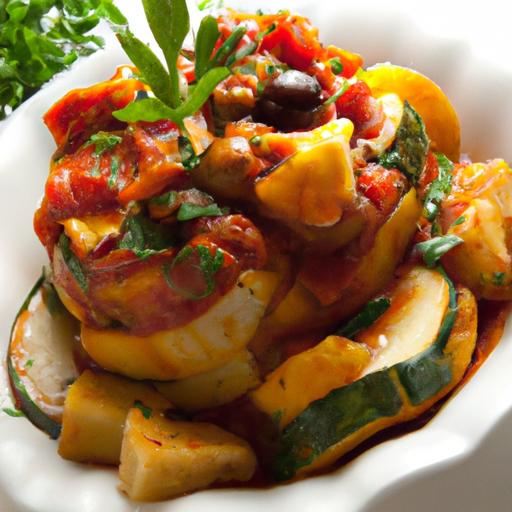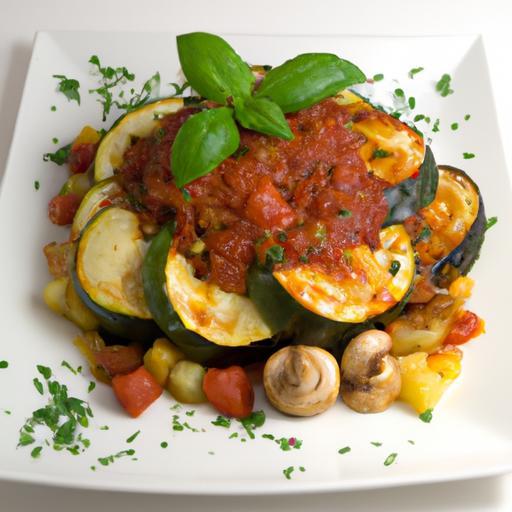
In the heart of Provence, where sun-kissed vegetables adn fragrant herbs flourish, lies the essence of French culinary artistry captured perfectly in one iconic dish: ratatouille. More than just a humble vegetable stew, ratatouille is a vibrant celebration of simplicity, tradition, and the harmonious dance of flavors that define the French kitchen.
This flavorful journey invites you to explore the rich history, regional nuances, and timeless techniques behind ratatouille-transforming everyday ingredients into a masterpiece that speaks to culture, creativity, and the enduring love of food. Join us as we peel back the layers of this classic dish and discover how ratatouille continues to inspire chefs and food lovers around the world.
Ratatouille is more than a colorful medley of vegetables; it is indeed a vibrant expression of Provençal heritage and culinary artistry. Originating in the sun-drenched fields of southeastern France, this humble yet elegant dish showcases the bounty of the Mediterranean, transforming simple, fresh ingredients into a symphony of layered flavors.
Its roots lie deep within customary French peasant cooking, where the beauty was found in the harmony of seasonal produce-eggplant, zucchini, bell peppers, and tomatoes-slowly melded together with fragrant herbs. Every bite tells a story of culture, regional pride, and the joyous simplicity that defines Provençal cuisine.
Prep and Cook Time
- Readiness: 30 minutes
- Cooking: 1 hour 15 minutes
- Total Time: 1 hour 45 minutes
Yield
- Serves 6 as a hearty main or 8 as a flavorful side
Difficulty Level
- Medium
Ingredients
- 2 medium eggplants, sliced into ¼ inch rounds
- 3 zucchini, sliced into ¼ inch rounds
- 4 large ripe tomatoes, thinly sliced
- 2 red bell peppers, diced
- 1 yellow bell pepper, diced
- 1 large onion, finely chopped
- 4 cloves garlic, minced
- ½ cup extra virgin olive oil
- 1 teaspoon fresh thyme
- 1 teaspoon fresh rosemary, finely chopped
- Fresh basil leaves for garnish
- Salt and freshly ground black pepper, to taste
- 1 tablespoon tomato paste
Instructions
- Prepare the base sauce: Heat 2 tablespoons of olive oil in a heavy skillet over medium heat. Sauté the chopped onion and garlic until translucent and fragrant, about 5 minutes. Add the diced bell peppers and cook until softened, approximately 7 minutes. Stir in the tomato paste and fresh herbs, season with salt and pepper, then let the mixture simmer gently for 10 minutes. Set aside.
- Pre-cook the vegetables: In a separate skillet, heat 2 tablespoons of olive oil and lightly sauté the eggplant slices until soft and golden on both sides, about 3 minutes per side. Repeat this with the zucchini in the remaining olive oil. This step removes excess moisture and rounds out the vegetable flavors.
- Assemble the dish: Preheat your oven to 375°F (190°C). Spread the pepper-onion-tomato base evenly across the bottom of a wide, shallow baking dish. Starting at the outer edge, arrange eggplant, zucchini, and tomato slices alternately and tightly overlap them in a spiral towards the center. This colorful layering creates the dish’s iconic visual appeal.
- Season and drizzle: Sprinkle salt, freshly ground black pepper, and a few extra thyme leaves over the top. Drizzle a bit of olive oil across the vegetables to encourage caramelization during baking.
- Bake your masterpiece: Cover loosely with parchment paper or foil and bake for 40 minutes. Uncover for the last 10 minutes to develop a slight golden finish on the vegetables’ edges.
- Rest and garnish: Let the ratatouille rest for 10 minutes after baking to allow the flavors to meld.Garnish with torn fresh basil leaves just before serving to add a burst of fresh aroma and color.
Tips for Success
- For an extra layer of flavor, roast the bell peppers whole before dicing to intensify their sweetness and add a subtle smokiness.
- If you prefer a saucier dish, increase the tomato paste to 2 tablespoons and add ½ cup of crushed canned tomatoes during the base sauce simmering step.
- Use fresh herbs whenever possible; dried can be substituted but reduce quantity by half to avoid overpowering the vegetable’s natural sweetness.
- Ratatouille is even better the next day. Prepare ahead and refrigerate to let the flavors deepen overnight.
- To reduce bitterness, salt eggplant slices and let them drain on paper towels for 20 minutes before cooking, then rinse and pat dry.
Creative Variations and Pairings
Elevate your ratatouille experience by experimenting with texture and presentation. For a rustic twist, chop all the vegetables and serve it as a chunky warm stew paired with crusty artisan bread. Alternatively, layer thin slices in individual ramekins for elegant single portions, perfect for entertaining.
Add a sprinkle of toasted pine nuts or a drizzle of balsamic reduction to bring complexity to the dish. For a protein boost without meat, serve alongside a dollop of herbed goat cheese or marinated tofu. This versatility makes ratatouille a canvas for culinary creativity.
Serving Suggestions and Wine Pairings
Serve ratatouille warm or at room temperature, garnished with fresh basil and a light drizzle of high-quality olive oil. It pairs beautifully with ratatouille’s rustic charm-think fragrant herb-roasted chicken or a simple grilled fish like sea bass. For a vegetarian feast, accompany with a quinoa pilaf or creamy polenta.
When choosing a wine, select a light to medium-bodied French rosé or a crisp white such as a Provence Rosé or a Picpoul de Pinet. These wines complement the vegetable medley’s acidity and herbaceous notes without overpowering the gentle layers of flavor. For more wine pairing inspiration, check out Wine Enthusiast’s expert guides.
| Nutrition | Per Serving |
|---|---|
| Calories | 180 kcal |
| Protein | 4 g |
| Carbohydrates | 25 g |
| Fat | 8 g |

For those passionate about French culinary art, exploring this classic dish is an essential step.It is a celebration of nature’s colors and tastes, inviting you to master the art of layering flavors while honoring a rich cultural legacy.To dive deeper into traditional French recipes, visit our French Cuisine Classics collection.
Q&A
Q&A: Ratatouille – A Flavorful Journey Through French Culinary Art
Q1: What is ratatouille,and where does it originate?
A1: Ratatouille is a classic vegetable stew hailing from the Provence region of southern France. It embodies the rustic charm of french countryside cooking, celebrated for its vibrant medley of summer vegetables and aromatic herbs.
Q2: Which key vegetables are traditionally used in ratatouille?
A2: The traditional ratatouille features a colorful ensemble of eggplant, zucchini, bell peppers, tomatoes, and onions. These vegetables are frequently enough sautéed or simmered slowly to unlock their natural sweetness and blend their flavors harmoniously.
Q3: How does ratatouille reflect the essence of French culinary art?
A3: Ratatouille exemplifies French culinary art by embracing simplicity, seasonal produce, and a balance of textures and flavors. It showcases the technique of layering ingredients and cooking them gently, which brings out depth and richness without overwhelming the palate.
Q4: What role do herbs play in making ratatouille special?
A4: Aromatic herbs like thyme, rosemary, bay leaves, and basil infuse ratatouille with fragrant notes that elevate the dish. These herbs highlight the freshness of the vegetables and add complexity, making ratatouille a sensory celebration of Provence’s natural bounty.
Q5: Can ratatouille be served in various ways?
A5: Absolutely! Ratatouille is a versatile dish. it can be enjoyed hot as a hearty main course, a flavorful side dish to grilled vegetables or fish, or even chilled as a refreshing summer salad. Its adaptability makes it a beloved staple in both traditional and modern French cuisine.
Q6: Are there any tips to perfecting ratatouille at home?
A6: To perfect ratatouille,consider cooking each vegetable separately to preserve individual textures before combining them. Slow simmering allows the flavors to meld beautifully. Also, using ripe, fresh vegetables and high-quality olive oil enhances authenticity and taste.
Q7: How has ratatouille influenced contemporary cooking?
A7: Ratatouille has inspired chefs worldwide to explore vegetable-forward dishes that celebrate simplicity and seasonality. Its aesthetic presentation-vibrant colors and layered textures-also encourages creativity in plating, making it a favorite in both home kitchens and gourmet restaurants alike.
Q8: What cultural significance does ratatouille hold in France?
A8: Beyond being a beloved recipe, ratatouille is a symbol of Provençal heritage and French culinary ideology. It reflects respect for local ingredients and time-honored cooking methods, embodying a lifestyle attuned to nature’s rhythms and the joy of convivial meals.
Key Takeaways
As our flavorful journey through the rich tapestry of french culinary art comes to a close, Ratatouille stands as a vibrant testament to the beauty of simplicity and tradition. This humble medley of garden-fresh vegetables not only tantalizes the palate but also tells a story-one of regional pride, seasonal abundance, and timeless technique.
Whether savored in a rustic Provençal kitchen or recreated with a modern twist, Ratatouille invites us to celebrate the artistry of French cuisine, reminding us that true gastronomy lies in the harmony of fresh ingredients and heartfelt preparation. So next time you slice, dice, and simmer this colorful dish, remember you’re partaking in a flavorful legacy that continues to inspire chefs and food lovers around the world.