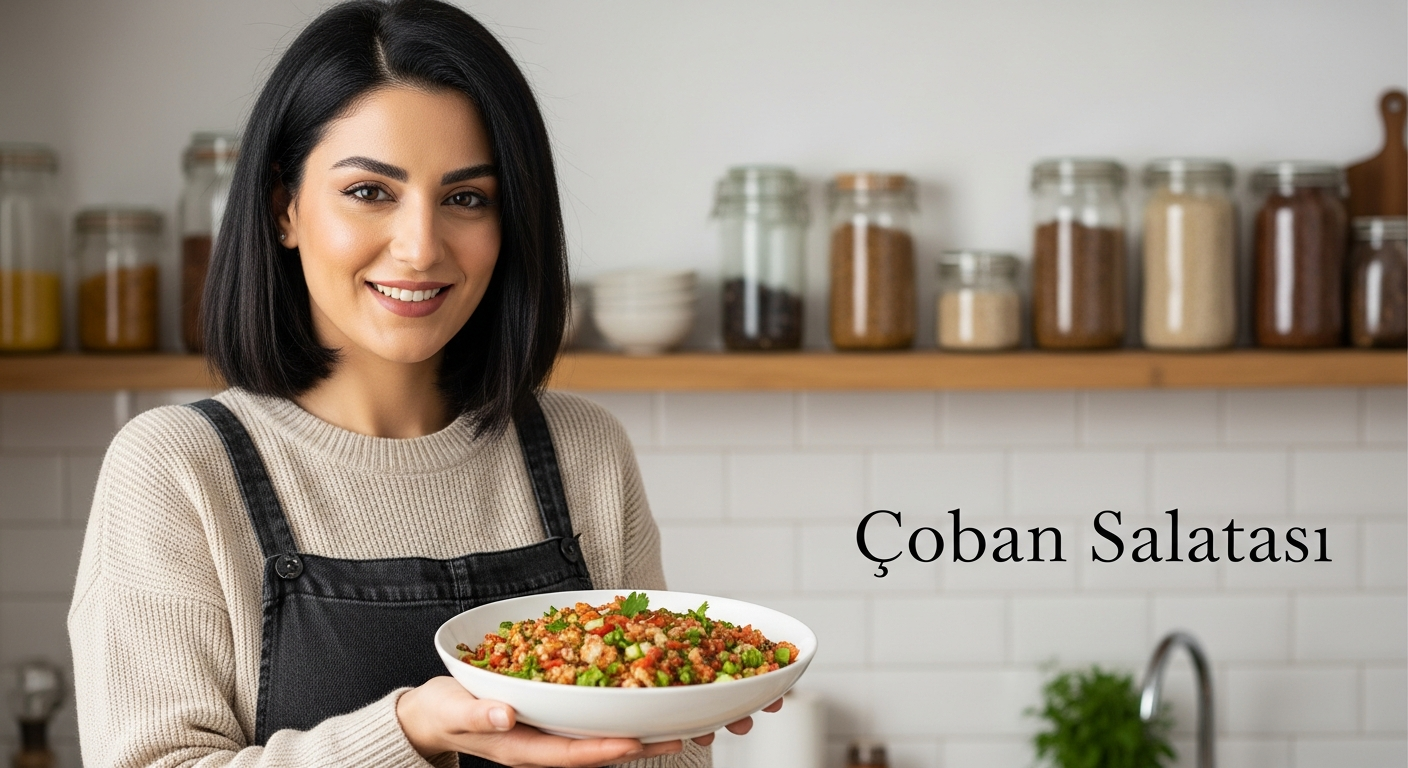
In the vibrant tapestry of Turkish cuisine, few dishes capture the essence of freshness and simplicity quite like Coban Salatasi, or Shepherd’s Salad.This unassuming medley of crisp tomatoes, cool cucumbers, tangy onions, and fragrant herbs is more than just a side dish-it’s a celebration of the bountiful produce and bold flavors that define Turkey’s culinary heritage.
Perfectly balanced with a zesty dressing of olive oil and lemon juice, Coban Salatasi offers a refreshing burst of flavor that complements everything from succulent grilled meats to hearty stews. Join us as we explore the colorful story behind this beloved salad, uncover its conventional roots, and discover why it remains a staple on Turkish tables both home and abroad.
Origins and Cultural Importance of Coban Salatasi in Turkish Cuisine
Coban Salatasi, or Shepherd’s salad, is a vibrant cornerstone of turkish cuisine celebrated for its fresh, garden-picked flavors and simple planning. Rooted deeply in rural Anatolian traditions, this salad historically provided shepherds and farmers a refreshing, nutritious meal amid the rugged landscapes where access to elaborate ingredients was limited. Over time, it has transcended its humble origins to become a beloved staple on tables across Turkey, symbolizing health, community, and seasonality.
Every bite tells a story of sun-drenched fields and the bounty of the Mediterranean climate.
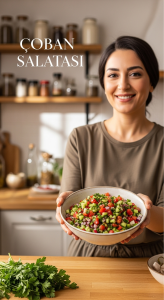
The salad’s bright colors and crisp textures are a testament to Turkey’s rich farming heritage, emphasizing fresh vegetables harvested at their peak. It is often served as a mezze or alongside kebabs and grilled dishes, a cool counterpoint to warm, hearty flavors. For many families,preparing Coban salatasi is more than just cooking – it’s a ritual that celebrates simplicity,freshness,and the joy of sharing wholesome food.
Key Ingredients That Give Coban Salatasi Its Signature Freshness
Coban Salatasi relies on a trio of ultra-fresh vegetables that define its character: cucumbers, tomatoes, and green bell peppers. The cucumbers contribute a crisp, watery crunch; the ripe tomatoes introduce juiciness and natural sweetness; while the bell peppers add a gentle peppery bite with a touch of bitterness. These ingredients are finely chopped to create a mosaic of textures and flavors that marry beautifully in each forkful.
Adding to this base are fresh parsley leaves, giving an earthy, herbal brightness, and occasionally a splash of finely chopped red onion or spring onion for subtle pungency. The dressing is simple yet impactful – freshly squeezed lemon juice combined with quality extra virgin olive oil, a pinch of salt, and sometimes a sprinkle of sumac or dried mint to enhance the salad’s refreshing essence.

Step-by-Step Guide to Preparing the Perfect shepherd’s Salad
Mastering Coban Salatasi is easy and rewarding when approached with care and quality ingredients. Follow these detailed instructions to bring this turkish classic to life with authentic flavor and inviting presentation.
Prep and Cook Time: 15 minutes
Yield: Serves 4
Difficulty Level: Easy
ingredients
- 3 medium ripe tomatoes, seeded and finely diced
- 2 medium cucumbers, peeled and diced
- 1 large green bell pepper, seeded and chopped
- ½ small red onion, finely minced (optional)
- ½ cup fresh flat-leaf parsley, finely chopped
- 3 tablespoons extra virgin olive oil
- 2 tablespoons freshly squeezed lemon juice
- Salt, to taste
- Freshly ground black pepper, to taste
- 1 teaspoon sumac or dried mint (optional)
Instructions
- Prepare the vegetables: Rinse all the vegetables thoroughly under cold water. Peel the cucumbers if desired for extra tenderness, then dice uniformly to maintain a pleasant texture.
- Dice tomatoes carefully: Remove seeds to prevent watery salad. Finely chop the flesh into even pieces to ensure each bite is juicy but not soggy.
- Combine the veggies: In a large mixing bowl, gently toss the diced tomatoes, cucumbers, bell pepper, and onions (if using) with the chopped parsley.
- Mix the dressing: Whisk olive oil, lemon juice, salt, and pepper in a small bowl until emulsified. If you love tangy notes,add sumac or dried mint for authentic Turkish flavor depth.
- Toss salad with dressing: Pour the dressing over the vegetables and mix with care to coat everything evenly without bruising the ingredients.
- Let it rest: Allow the salad to sit for 10 minutes at room temperature before serving to let flavors meld beautifully.
- Serve fresh: Transfer to a pretty bowl or individual plates and garnish with a sprig of parsley or a thin lemon wedge for an elegant touch.
Tips for Customizing Coban Salatasi to Suit Your Taste Preferences
Coban Salatasi is wonderfully adaptable, allowing you to tweak it according to your palette or whatever you have on hand. For a milder onion flavor, substitute red onion with spring onions’ white parts sliced thinly. You can add a small handful of crumbled feta cheese for a creamy contrast, or sprinkle toasted pine nuts or walnuts for crunch and richness.
If you prefer zestier acidity, try mixing half lemon juice with pomegranate molasses, which lends a subtle sweetness and deeper complexity – a classic twist known in Turkish households.Some versions include a few slices of radish for extra peppery crispness or diced avocado for lush creaminess, balancing the bright citrus.
For an invigorating summer version,chill all ingredients before combining and add a few fresh mint leaves or a dash of freshly ground sumac to intensify the cooling sensation. To make it vegan-friendly and calorie-conscious, keep olive oil minimal or replace it with a drizzle of tangy vinegar like apple cider or white wine vinegar.
Lastly, always use the freshest vegetables you can find, ideally straight from your garden or local farmers market, as freshness is the ultimate secret that elevates Coban Salatasi above ordinary salads.
Serving Suggestions
- Serve as a refreshing mezze alongside warm pita bread and creamy hummus.
- Pair with grilled dishes like lamb kebabs, chicken shish, or eggplant imam bayildi.
- offer with a side of rich,buttery Turkish rice pilaf or herbed bulgur for a balanced meal.
- Sprinkle with sumac and extra parsley as garnish to brighten the plate and add flavor bursts.
- Present in a rustic wooden bowl or vibrant ceramic dish for a true Anatolian vibe that invites conversation and appetite.
| Nutrient | Per Serving |
|---|---|
| Calories | 90 kcal |
| Protein | 2 g |
| Carbohydrates | 10 g |
| Fat | 5 g |
Explore more Turkish grilled dishes to complement your Coban Salatasi experiance.
For authentic olive oils and lemon juice details, consider visiting the International Olive Council.
Q&A
Q&A: Exploring Coban Salatasi – Turkey’s Fresh and Flavorful shepherd’s Salad
Q1: What is Coban Salatasi?
A: Coban Salatasi, literally meaning “Shepherd’s Salad” in Turkish, is a vibrant and refreshing salad renowned throughout Turkey. It embodies simplicity and freshness, combining finely chopped vegetables with a zesty dressing that celebrates the flavors of the Mediterranean and Anatolian regions.
Q2: Why is it called “Shepherd’s Salad”?
A: The name “Shepherd’s Salad” evokes the image of rural shepherds who frequently enough prepared speedy, wholesome meals from locally available fresh produce.Coban Salatasi’s rustic charm and natural ingredients reflect this tradition, offering a wholesome dish that’s easy to make and packed with nutrients.
Q3: What are the key ingredients in Coban Salatasi?
A: The salad’s foundation includes crisp cucumbers, ripe tomatoes, sweet green peppers, sharp red onions, and fresh parsley. These are finely diced or chopped to create a delightful medley. The dressing is simple but zingy, made with freshly squeezed lemon juice, good-quality olive oil, salt, and sometimes a pinch of sumac for an extra tangy layer.
Q4: How is Coban Salatasi typically served?
A: coban Salatasi is incredibly versatile. it can be a refreshing side dish alongside grilled meats, kebabs, or pilafs, or stand alone as a light, nourishing snack. In Turkish households and eateries, it’s a common accompaniment that cuts through richer flavors with its crisp texture and bright acidity.
Q5: Can Coban Salatasi be adapted for different tastes?
A: Absolutely! While the classic recipe focuses on fresh vegetables and simple seasoning,some variations include adding mint leaves for an herbal twist or sprinkling pomegranate seeds for a burst of sweetness and color. However, the heart of the salad lies in its simplicity-letting fresh ingredients shine.
Q6: What makes Coban salatasi distinct from other Mediterranean salads?
A: Unlike its cousin, the Greek salad, Coban Salatasi typically excludes feta cheese and olives, emphasizing pure vegetable freshness. Its finely chopped texture and lemon-olive oil dressing lend it a lighter, crisper profile, making it an ideal palate cleanser or companion to hearty Turkish dishes.
Q7: Is Coban Salatasi healthy?
A: Yes! With its fresh vegetables, herbs, and heart-healthy olive oil, Coban Salatasi is nutrient-rich and low in calories. It’s an excellent source of vitamins, antioxidants, and fiber, contributing to a balanced and vibrant diet.
Q8: How can I prepare Coban Salatasi at home?
A: Preparing Coban Salatasi is simple: finely dice cucumbers, tomatoes, green peppers, and red onions. chop some fresh parsley and gently toss all the vegetables in a bowl. Dress with lemon juice, olive oil, salt, and pepper to taste. Chill briefly to let flavors meld, then serve immediately for the freshest experience.
Q9: What occasions or meals is Coban Salatasi best suited for?
A: This salad is perfect for warm-weather meals, outdoor picnics, family gatherings, or any time a light, refreshing dish is desired. It pairs wonderfully with grilled vegetables, lentil dishes, or even as a crisp contrast to richly spiced stews.
Q10: Any tips for selecting ingredients for the best Coban salatasi?
A: For the freshest flavor, choose firm, ripe tomatoes with deep, rich color and crisp cucumbers free of blemishes.Fresh green peppers should be bright and crunchy, while red onions should be sharp but not overpowering. lastly, a high-quality extra virgin olive oil and freshly squeezed lemon juice truly elevate the salad’s taste.
in Retrospect
in the vibrant tapestry of Turkish cuisine, Çoban Salatası stands out as a refreshing melody of crisp vegetables and zesty flavors-a true testament to the contry’s love for fresh, wholesome ingredients. Whether served as a light side dish on a warm summer day or a palate-cleansing companion to hearty grilled meats, this shepherd’s salad invites you to experience a simple yet profound connection to turkey’s culinary heritage.
So next time you’re seeking a burst of freshness with every bite, let Çoban Salatası be your flavorful guide to the heart of Turkey’s table.