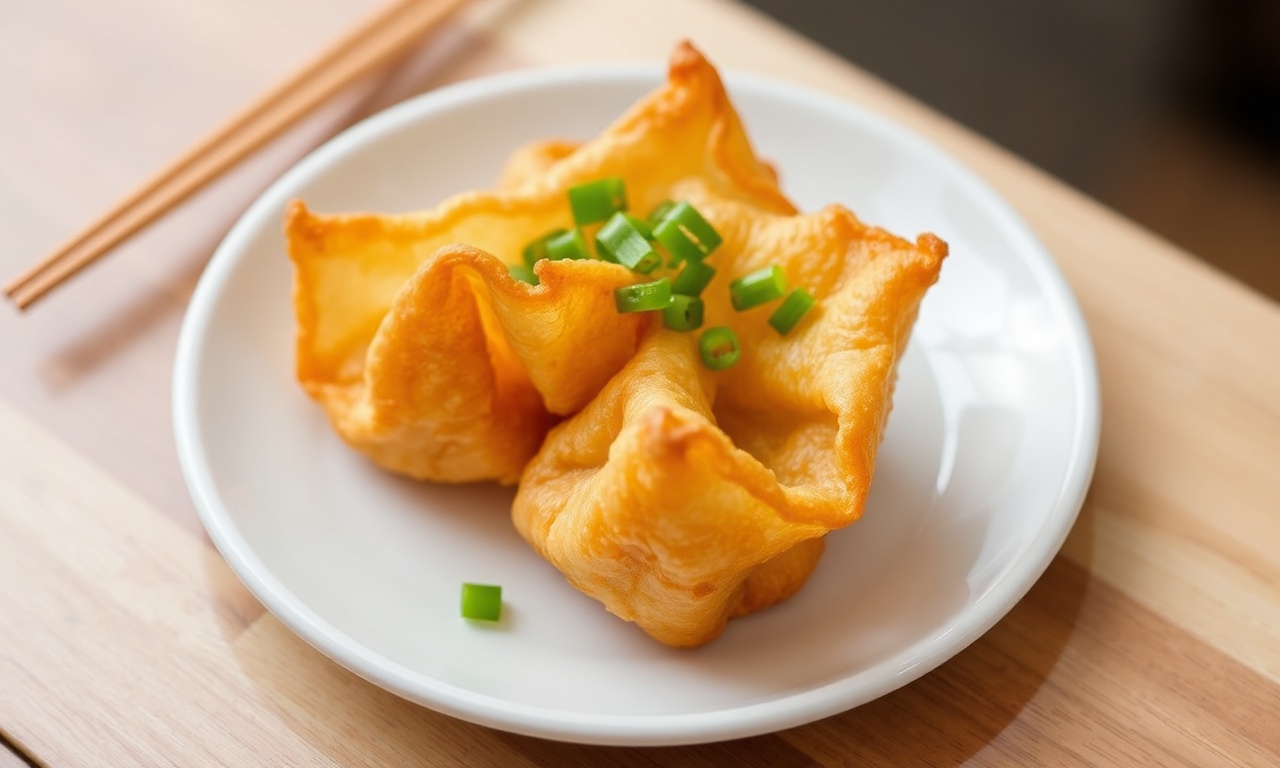
Golden, crispy, and irresistibly creamy, Crab Rangoon has dazzled taste buds across the globe as a beloved appetizer in many Chinese-American restaurants. But beyond its crunchy exterior and luscious filling lies a interesting story that intertwines culinary creativity, cultural fusion, and savory innovation. Join us as we peel back the layers of this tasty delight, exploring the origins of Crab Rangoon and uncovering how this crispy treasure came to capture the hearts-and spoons-of food lovers everywhere.
Unearthing the Legacy Behind This Crispy Crab Rangoon Favorite
Crab Rangoon has long enchanted food lovers with its crunchy shell and creamy, savory filling. While its precise origin is often debated, this delightful appetizer is believed to have been created in mid-20th century American Chinese restaurants, merging Western tastes with Asian-inspired flavors. This fusion reflects the creative culinary spirit of adapting exotic ingredients to local palates, resulting in the beloved Crab Rangoon that graces many menus today.
The allure of Crab Rangoon lies in its harmonious marriage of texture and taste.The crispy wonton wrapper provides a satisfying crunch, while the rich, tangy filling-often a blend of crab, cream cheese, and aromatics-delivers a luscious mouthfeel that’s instantly crave-worthy. Crafting this dish at home invites you to dive deeper into its nostalgic roots and savor an appetizer that’s as visually enticing as it is indeed tasty.
Crab Rangoon: Prep and Cook Time
- Preparation: 15 minutes
- Cooking: 10 minutes
- Total Time: 25 minutes
Yield
Approximately 24 pieces or servings for 6 people as an appetizer.
Difficulty Level
Easy to medium: Perfect for home cooks looking to elevate their appetizer game with minimal fuss.
Ingredients
- 8 oz imitation crab meat, finely chopped
- 4 oz cream cheese, softened
- 2 tbsp finely chopped green onions (green and white parts)
- 1 tsp soy sauce
- 1 tsp grated fresh ginger
- 1/2 tsp garlic powder
- 24 wonton wrappers
- Vegetable oil (for frying)
- optional: pinch of white pepper for subtle heat
Step-by-Step Instructions
- Prepare the Filling: In a medium bowl, gently fold together the chopped imitation crab meat, softened cream cheese, green onions, soy sauce, grated ginger, and garlic powder until well combined. Avoid over-mixing; the texture shoudl be creamy with visible crab flakes.
- Assemble the Rangoon: Place one wonton wrapper flat on a clean surface. Using about 1 teaspoon of the filling,spoon it into the center of the wrapper.
- Seal the Wrapper: Moisten the edges of the wonton wrapper lightly with water using your fingertip. Fold the wrapper to create a triangle or purse shape, pressing edges firmly to seal completely and prevent oil from seeping in.
- Heat the Oil: In a deep skillet or wok,pour vegetable oil to a depth of at least 2 inches. Heat the oil to 350°F (175°C). to test, carefully drop a small piece of wonton wrapper; it should sizzle and float promptly.
- Fry Until Golden: Fry the Crab Rangoon in batches, avoiding overcrowding.Cook for 2-3 minutes or until the exterior is a stunning golden brown, turning occasionally for even crisping.
- Drain and Cool: Using a slotted spoon, transfer the fried wontons to a paper towel-lined plate to drain excess oil. Allow to rest for a minute before serving to preserve crispiness and soften just slightly.
Why Crab Rangoon Matters: Chef’s notes & Tips for Success
- Filling Variations: for a fresh twist, swap imitation crab for cooked lump crab meat or even finely diced shrimp.
- Seal Smartly: Ensuring a tight seal prevents oil leaks and soggy wrappers; use a brush dipped in water or beaten egg for better adhesion.
- Baking Choice: For a lighter version, bake the rangoon on a parchment-lined baking sheet at 400°F (200°C) for 12-15 minutes, flipping halfway.
- make-Ahead: Prepare the filling and assemble rangoon up to a day in advance; freeze on a baking tray and transfer to airtight bags when solid. Fry straight from frozen with an extra minute or two.
- Oil Temperature: Keep oil steady at 350°F for optimal frying; to low results in greasy rangoon, too high burns them quickly.
Serving Suggestions to Impress
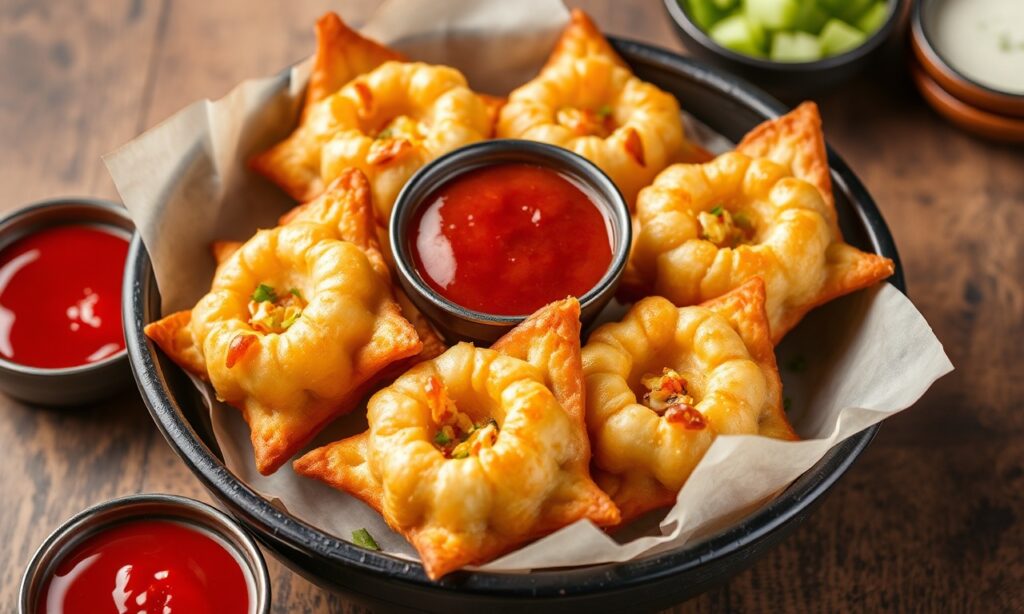
Presentation elevates the eating experience. Arrange Crab Rangoon on a vibrant plate garnished with finely chopped scallions and a sprinkling of toasted sesame seeds. Serve alongside a trio of dipping sauces-sweet chili, soy-ginger, and a creamy sriracha mayo-to give guests flavor variety.
Pair with a crisp cucumber salad or light Asian slaw to balance the indulgent richness of the filling.A scatter of microgreens adds a fresh pop of color and texture, making your platter irresistible both visually and gastronomically.
| Nutrient | Per Serving (4 pieces) |
|---|---|
| Calories | 210 kcal |
| Protein | 7 g |
| Carbohydrates | 18 g |
| Fat | 12 g |
For a deeper dive into other iconic Asian fusion appetizers, check out our Crispy Fusion Appetizers guide. Enhance your knowledge on crab nutrition and sustainability through the FDA’s seafood guidance.
Q&A
Q&A: Crab Rangoon – Exploring the Crispy Delight’s Tasty Origins
Q1: What exactly is Crab Rangoon?
A1: Crab Rangoon is a popular appetizer consisting of crispy, golden-fried wonton wrappers filled with a creamy mixture of crab meat and cream cheese, frequently enough flavored with garlic, scallions, and a hint of soy sauce. it’s a fusion bite that combines textures and flavors to create a truly indulgent treat.
Q2: Where did Crab Rangoon originate?
A2: despite its name suggesting Burmese roots, Crab Rangoon’s actual origins trace back to mid-20th century American Chinese cuisine. It was likely invented in the United States, popularized by Chinese-American restaurants aiming to appeal to local palates by blending familiar ingredients with Asian-inspired flavors.
Q3: Why is it called “Crab Rangoon”?
A3: The name ”Rangoon” references Yangon, the largest city in Myanmar (formerly Rangoon, Burma). Though, Crab Rangoon has little authentic connection to Burmese cuisine. The exotic-sounding name added a sense of intrigue and appeal when the dish was first introduced, helping it stand out on menus.Q4: What makes Crab Rangoon’s filling so distinctive?
A4: The hallmark of Crab Rangoon’s filling is the creamy cream cheese base that smooths and balances the sweet, delicate crab meat.
This combination contrasts beautifully with the crispy exterior,creating a harmony of rich,savory,and crunchy sensations.Q5: Is real crab always used in Crab Rangoon?
A5: Not always. While authentic recipes call for real crab meat-either fresh or canned-many versions use imitation crab (surimi) as a cost-effective alternative. Regardless, the key flavor profile remains creamy, slightly sweet, and savory.
Q6: How is Crab Rangoon typically served?
A6: Crab Rangoon is usually served hot and crispy, accompanied by a dipping sauce such as sweet and sour sauce, duck sauce, or a tangy soy-based dip. The interplay of the crunchy wrapper, creamy filling, and flavorful sauce elevates the eating experience.
Q7: Are there any notable variations of Crab Rangoon?
A7: Yes! Beyond the traditional crab and cream cheese,some chefs experiment with adding herbs like cilantro or chives,spicy ingredients such as Sriracha,or even substituting the crab with other seafood like shrimp. Vegetarian versions replace crab with finely chopped mushrooms or artichokes to capture a similar texture and flavor balance.
Q8: What makes Crab Rangoon a lasting favorite in American Chinese cuisine?
A8: Crab Rangoon taps into a worldwide love for crispy, creamy, and savory bites. Its unique combination of textures and flavors makes it immediately gratifying,easy to share,and fun to eat.Plus, it embodies the creative cross-cultural fusion that characterizes much of american Chinese food, making it a beloved classic.
Future Outlook
As the golden, crispy edges of Crab Rangoon continue to captivate taste buds around the world, its story reminds us that culinary delights often emerge from unexpected fusions and inventive spirit. This humble appetizer, marrying creamy cheese with savory crab and wrapped in a delicate wonton shell, stands as a tasty testament to cultural collaboration and innovation. So, the next time you dip into a basket of crab rangoon, take a moment to savor not just the crunch and flavor, but the diverse mix of history and creativity that made this crispy delight a beloved classic.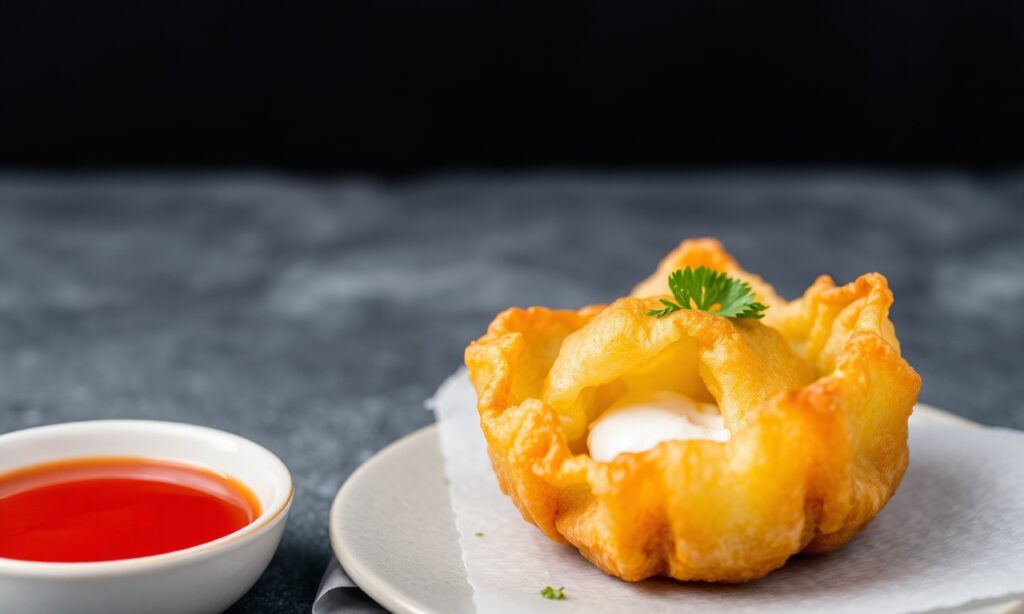
See also: Crab Rangoon