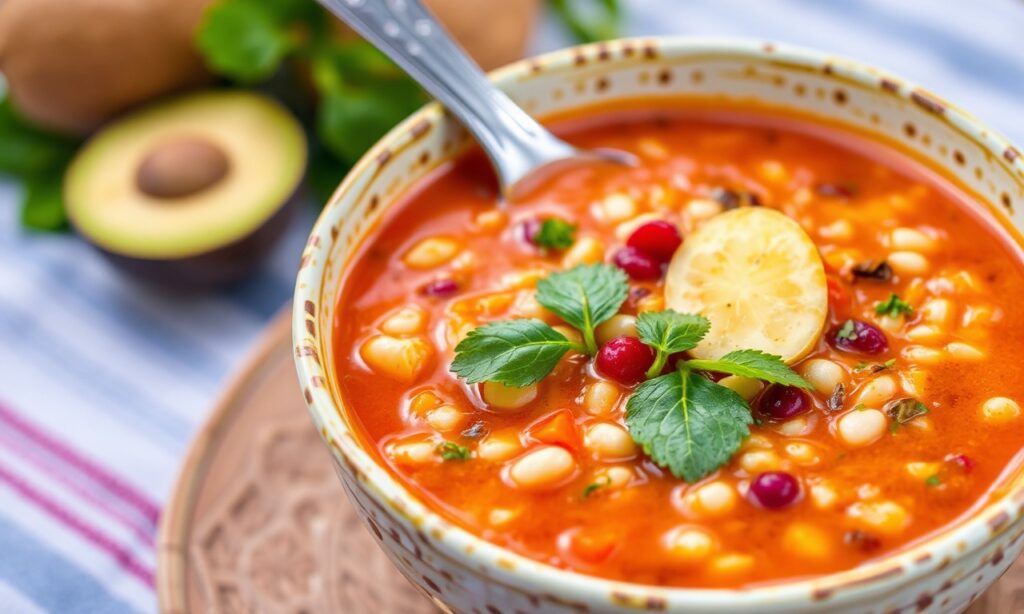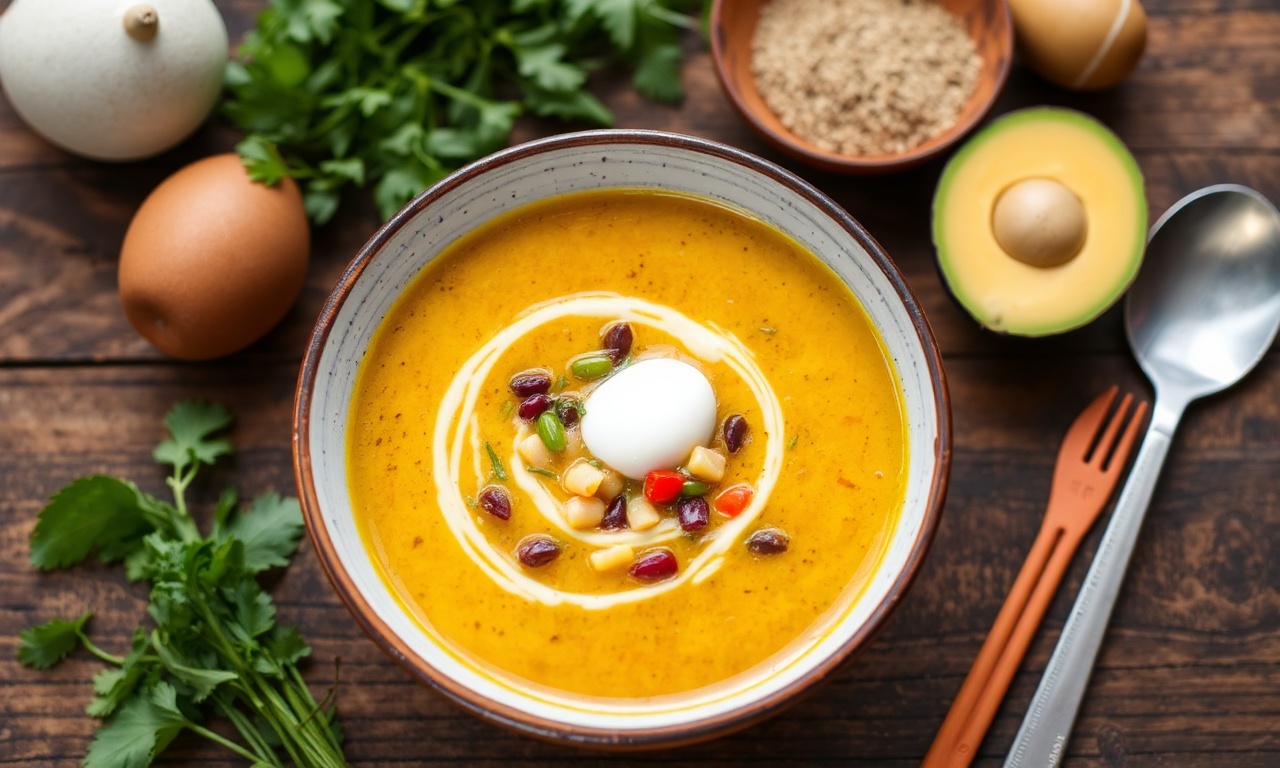
Nestled within the vibrant traditions of Ecuador’s easter celebrations lies a culinary gem that is as rich in history as it is indeed in flavor: Fanesca. This iconic vegetarian soup, a harmonious blend of fresh grains, legumes, and seasonal vegetables, embodies the spirit of renewal and community that defines the season. More than just a dish, Fanesca is a cultural tapestry served in a bowl-each ingredient telling a story, each bite connecting generations. Join us as we unravel the secrets behind Ecuador’s beloved Easter masterpiece,exploring its origins,unique ingredients,and the heartfelt rituals that make Fanesca a cherished symbol of faith and festivity.
Fanesca: Ecuador’s iconic vegetarian Easter soup is a rich, hearty festivity of tradition and flavor, steeped in cultural importance and culinary artistry. Every year during Easter, Ecuadorian families gather to prepare this intricate dish, a symbol of renewal and community, harmonizing a medley of native grains, legumes, and fresh vegetables into a luscious, creamy stew. This vibrant soup is more than just nourishment; it embodies centuries of Andean spirituality and the blending of indigenous and Catholic customs, making it a festive centerpiece that connects generations.
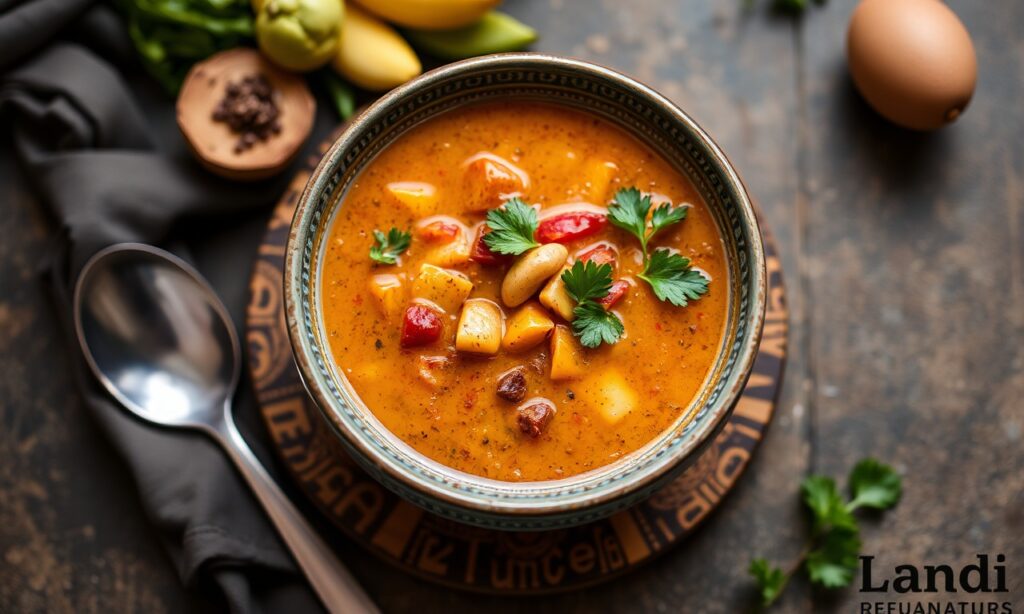
Prep and Cook Time
- Readiness time: 45 minutes
- Cooking time: 2 hours
- Total time: 2 hours 45 minutes
Yield
Serves 8 generously
Difficulty Level
Medium - perfect for home cooks ready to engage in a soulful, hands-on experience
Key Ingredients and Their Symbolic Meanings in Fanesca
The essence of this vegetarian Ecuadorian Easter soup lies in its thoughtfully chosen ingredients, each bearing deep symbolism:
- Butter beans (chochos): Represent the twelve apostles, anchoring the dish in Easter lore.
- Pumpkin: Symbolizes fertility and prosperity, adding a vibrant texture and subtle sweetness.
- Green peas: Reflect renewal and growth, celebrating spring’s arrival.
- Corn kernels: Stand for abundance and nourishment from the earth.
- Squash seeds and toasted walnuts: Provide earthiness and a ritualistic connection to Pachamama (Mother earth).
- Milk and cheese: Represent purity and blessing, contributing to the creamy base without using any meat products.
Ingredients
- 2 cups dried butter beans (or large lima beans), soaked overnight
- 1 cup dried kidney beans, soaked overnight
- 1 cup dried choclo corn kernels, soaked or fresh if available
- 1 cup dried peas or fresh green peas
- 1 medium pumpkin (about 3 lbs), peeled and cubed
- 1 large white onion, finely chopped
- 4 garlic cloves, minced
- 1 cup milk (use whole or plant-based milk for creaminess)
- 1 cup queso fresco, crumbled
- 1/2 cup toasted pumpkin seeds, ground
- 1/2 cup toasted walnuts, chopped
- 1/4 cup fresh cilantro, chopped
- 3 tbsp olive oil
- 1 tsp ground achiote (annatto) for color
- Salt and black pepper to taste
- 2 quarts vegetable broth
- Optional: 1 tsp dried oregano or cumin for subtle warmth
Step-by-Step Guide to Preparing an Authentic Vegetarian Fanesca
- Prepare the beans and corn: Drain the soaked butter beans, kidney beans, and peas. Place them in a large pot with fresh water and bring to a boil. Lower the heat and simmer gently until tender but not mushy, about 45 minutes to 1 hour. Drain and set aside.
- Cook the pumpkin: In a separate pot, boil the pumpkin cubes until soft, about 20 minutes. Reserve 2 cups of the pumpkin cooking water and mash the pumpkin until smooth. Set aside.
- Make the sofrito (flavor base): Heat the olive oil in a large heavy-bottomed pot over medium heat. Add the chopped onion and sauté until translucent and fragrant, about 5 minutes. Stir in the minced garlic and ground achiote, cooking for another 2 minutes to release aromas and vibrant color.
- Build the soup base: Add the mashed pumpkin to the sofrito, stirring thoroughly. Slowly pour in the vegetable broth and reserved pumpkin water, whisking to combine. Bring to a gentle simmer.
- Add the beans, corn, and peas: Carefully fold the cooked beans, corn kernels, and peas into the pot. Allow the soup to simmer for 20-30 minutes, stirring occasionally to meld the layers of flavor.
- Incorporate the dairy elements: Gradually add the milk and crumbled queso fresco while stirring to avoid curdling. Continue to simmer on low heat, adjusting seasoning with salt, pepper, and optional herbs. Taste and adjust accordingly.
- Finish with toasted nuts and seeds: Sprinkle in the ground pumpkin seeds and chopped walnuts for nutty depth and authentic texture. Stir gently and cook another 5 minutes.
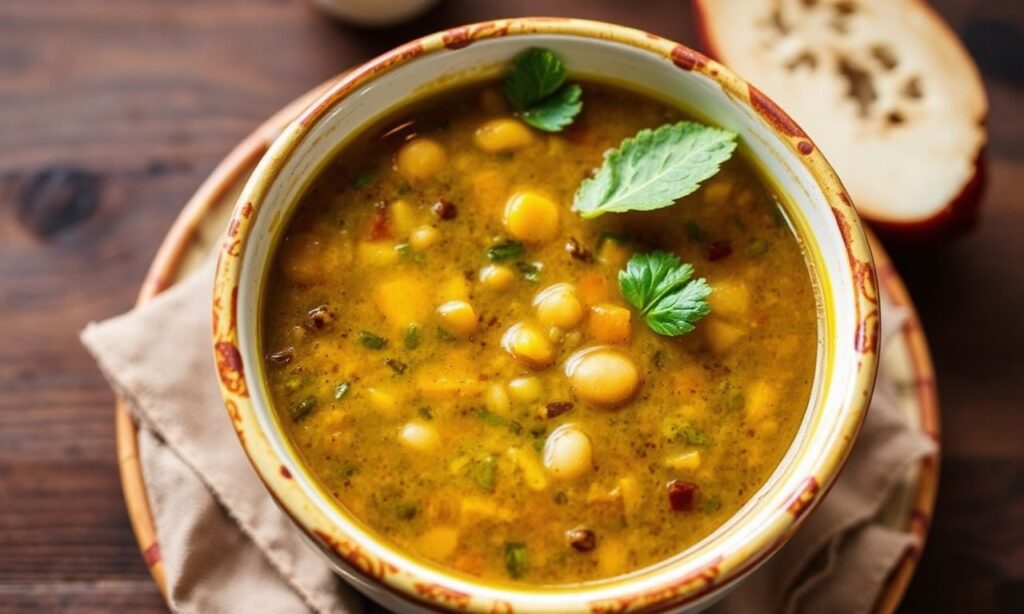
- Garnish and serve: Ladle the rich Fanesca into warm bowls, topped with fresh cilantro and a drizzle of olive oil if desired. Serve with toasted corn tortillas or Ecuadorian bread for a traditional touch.
Tips and Variations to Customize your Fanesca Experience
- Texture balance: For a smoother consistency, blend part of the soup base before adding the beans and vegetables back in. This creates a luscious,creamy finish without losing heartiness.
- Plant-based milk option: Coconut or almond milk works beautifully if you prefer a vegan version-simply swap for dairy milk and omit queso fresco.
- Herb twists: Add a subtle smokiness by stirring in smoked paprika or chipotle powder for a modern twist while respecting the original profile.
- Make-ahead magic: Fanesca tastes even better the next day as flavors deepen-prepare it a day in advance and gently reheat on the stove,adding a splash of water or broth if needed.
- Optional toppings: Hard-boiled eggs, fried green plantains, or crispy caramelized onions can add an exciting textural contrast for non-vegetarian personal preferences, but feel free to keep it strictly vegetarian for a timeless experience.
Serving Suggestions
Present your vegetarian Fanesca in wide, shallow bowls to showcase its colorful medley of ingredients. Garnish thoughtfully with chopped cilantro,a few whole beans,and a sprinkle of toasted walnuts for visual appeal and crunch. Serve alongside warm Ecuadorian corn cakes or freshly baked quinoa cornbread to complement the soup’s creamy textures. A crisp salad of fresh nopal (prickly pear cactus) or simple avocado slices with lime can refresh the palate amid this hearty feast.
| Nutrient | Per Serving |
|---|---|
| Calories | 310 kcal |
| Protein | 15 g |
| Carbohydrates | 45 g |
| Fat | 8 g |
Discover more about Ecuador’s culinary heritage and Easter customs at Wikipedia’s Fanesca page, a trusted source to deepen your cultural recognition.
Q&A
Q&A: Fanesca – Ecuador’s Iconic Vegetarian Easter Soup Unveiled
Q1: What is fanesca?
A1: Fanesca is a traditional Ecuadorian soup, rich in history and flavor, served during Holy Week. It’s a hearty, creamy blend of grains, legumes, and fresh vegetables, symbolizing community, faith, and ecuador’s agricultural abundance.
Q2: Why is fanesca associated with Easter?
A2: Fanesca is deeply tied to Easter celebrations, embodying the spirit of renewal and sacrifice. traditionally prepared during Holy week, its ingredients represent the twelve apostles and Christ, turning a simple meal into a spiritual ritual and communal feast.
Q3: What are the main ingredients in fanesca?
A3: The soup features a vibrant medley of soaked corn kernels and beans-such as moustache corn, chickpeas, lentils, and fava beans-combined with fresh pumpkin, squash, and milk or plant-based alternatives. Often garnished with hard-boiled eggs, fried plantains, and herbs, it’s a vegetarian marvel bursting with textures and colors.
Q4: Is fanesca always vegetarian?
A4: Traditionally, fanesca is vegetarian, especially as a Lenten dish where meat is abstained from. While some variations may add salt cod as a nod to catholic customs, many modern versions celebrate Ecuador’s diverse plant-based ingredients exclusively, making it a beloved vegetarian option.
Q5: What makes fanesca so unique compared to other soups?
A5: The uniqueness lies in its symbolism and complexity. Each ingredient tells a story,and the soup itself requires patience-soaking grains overnight,slow simmering,and layering flavors. Its creamy texture and multi-dimensional taste make it a culinary mosaic that reflects Ecuador’s rich cultural tapestry.
Q6: How is fanesca traditionally served?
A6: Fanesca is served warm, often in communal gatherings during Easter festivities. It’s plated with colorful toppings like sliced hard-boiled eggs, fried corn kernels, fresh herbs, and sometimes cheese or avocado, creating an inviting tableau that tempts both the eyes and palate.
Q7: can fanesca be enjoyed outside of Easter?
A7: Absolutely! Though steeped in tradition, fanesca’s comforting flavors and nourishing ingredients make it perfect anytime. Its celebration of local produce and vegetarian richness invites everyone to savor Ecuador’s culinary heritage beyond the holiday season.
Q8: Where can one try authentic fanesca?
A8: to experience genuine fanesca, visit ecuador during Holy Week or seek out Ecuadorian restaurants worldwide that honor this tradition. Many chefs now adapt fanesca for modern tastes while preserving its soulful roots, offering a taste of Ecuador’s heart in every spoonful.
Fanesca is more than just a soup; it’s a festive tapestry of Ecuador’s faith, agriculture, and community spirit, simmered to perfection in every bowl.
In Summary
As the final spoonful of fanesca warms the soul, it becomes clear that this humble soup is much more than a seasonal dish-it is indeed a vibrant tapestry of Ecuador’s history, culture, and community spirit. Each ingredient sings a story, each bite a celebration of tradition passed down through generations. Whether you’re savoring fanesca in a bustling Quito kitchen or recreating it at home far from Ecuador’s shores, you’re partaking in a culinary ritual that transcends borders and time. So next Easter, when the chill of March lingers in the air, let fanesca invite you to gather, reflect, and taste the heart of Ecuador in a bowl.