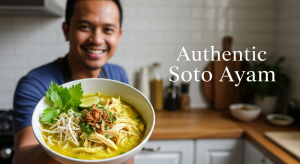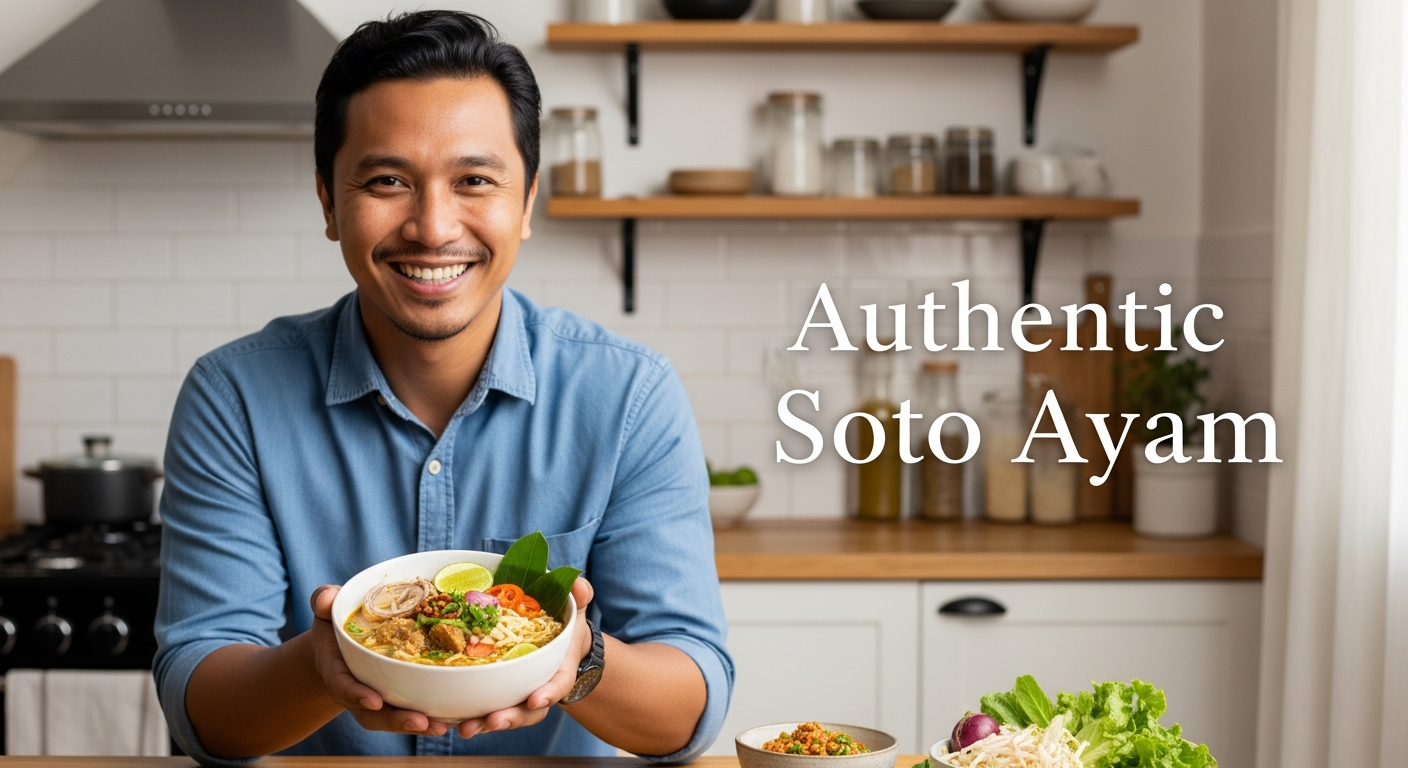
In the vibrant tapestry of Indonesian cuisine, few dishes capture the heart and palate quite like Soto Ayam. This iconic yellow chicken soup, glowing with turmeric’s golden hue, is more than just a comforting meal-it’s a flavorful journey into the rich culinary heritage of the archipelago. From bustling street stalls to family kitchens, Soto Ayam tells a story of tradition, warmth, and the harmonious blend of spices that define Indonesia’s diverse food culture.
Join us as we explore the origins, ingredients, and regional variations of this beloved dish, uncovering why Soto Ayam continues to be a treasured staple on tables across the nation and beyond.
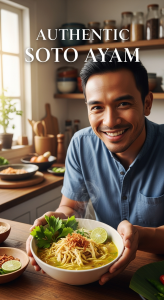
Soto ayam, Indonesia’s beloved yellow chicken soup, is more than just a comforting meal-it is a vibrant party of the archipelago’s diverse cultural heritage and aromatic spice traditions.Originating from java but enjoyed nationwide, this golden broth offers a soothing yet complex flavor profile that sings with turmeric, lemongrass, and kaffir lime leaves. Each spoonful carries the warmth of families gathered around the table, the hustle of customary street vendors, and the centuries-old culinary wisdom passed down through generations.
Prep and cook Time
- Prep Time: 20 minutes
- Cook time: 45 minutes
Yield
Serves 4 hearty portions
Difficulty level
Medium – approachable for home cooks ready to explore bold spices
Key Ingredients and Aromatic Spices That Define its Unique Flavor
- 1 whole chicken (about 3-4 lbs), cleaned and quartered
- 2 tablespoons turmeric powder (fresh turmeric if available for richer color and flavor)
- 4 stalks lemongrass, bruised
- 6 kaffir lime leaves, torn
- 5 cloves garlic, minced
- 6 shallots, thinly sliced
- 2-inch piece galangal, sliced
- 1-inch ginger, sliced
- 1 teaspoon coriander seeds, toasted and ground
- 4 cups chicken broth or water
- Salt and white pepper to taste
- Rice vermicelli noodles or white rice noodles, soaked and drained
- Hard-boiled eggs, halved (optional)
- Fried shallots, for garnish
- Fresh lime wedges, sliced scallions, and sambal chili paste, to serve
Step-by-Step Guide to Preparing Authentic Soto Ayam at Home
- Prepare the spice paste: In a dry skillet, toast the coriander seeds over medium heat until fragrant, about 2 minutes. Grind finely using a mortar and pestle or spice grinder.blend or pound together the turmeric powder,garlic,shallots,ginger,and galangal into a smooth paste. Set aside.
- Simmer the chicken: In a large pot, place chicken quarters with 4 cups of cold water or chicken broth. Bring to a gentle boil and skim off any foam to keep a clear broth. Add bruised lemongrass stalks and kaffir lime leaves.
- Cook the spice paste: Heat 2 tablespoons of oil in a skillet over medium heat. Sauté the prepared spice paste until golden and aromatic, about 5 minutes, stirring frequently to avoid burning.
- Combine and simmer: Add the sautéed spice paste to the simmering chicken broth. Reduce heat to low and cover. Let it simmer gently for 30 minutes,allowing the flavors to meld and the chicken to become tender.
- Remove and shred chicken: Carefully remove the chicken pieces from the broth. Shred the meat into bite-sized strips, discarding bones and skin as desired.Return shredded chicken to the pot to infuse flavor.
- Season the broth: Taste and adjust seasoning with salt and white pepper. Keep the soup warm on low heat.
- prepare noodles: While the broth simmers, soak rice vermicelli or rice noodles according to package instructions until tender but firm.
- Assemble and garnish: divide noodles into serving bowls. Ladle the steaming Soto Ayam over the noodles, ensuring plenty of aromatic broth and tender chicken. Add halved hard-boiled eggs if using. Garnish generously with fried shallots, chopped scallions, and a squeeze of fresh lime. Serve sambal chili paste on the side for guests to adjust heat levels.
Chef’s Tips for Success
- Fresh turmeric vs. Powder: Fresh peeled turmeric root intensifies the soup’s earthy vibrancy. If unavailable,high-quality turmeric powder works well but use sparingly to avoid bitterness.
- Clear Broth: Skim foam consistently during simmering for a clear, bright broth that showcases the yellow hue beautifully.
- Flavor Boost: Adding a small piece of rock sugar or a teaspoon of palm sugar balances the soup’s earthiness with a subtle sweetness,typical in Indonesian cooking.
- Make-Ahead: The soup base can be prepared a day ahead; flavors deepen overnight in the refrigerator. Reheat gently before serving.
- Protein Variations: Pure chicken is classic, but you can add hard-boiled eggs or tofu for variety and texture contrast.
Pairing Soto Ayam with Traditional Side Dishes for a Complete Experiance
To truly savor the essence of Indonesian cuisine, pair your Soto Ayam with traditional sides like Lontong (compressed rice cakes) or crispy kerupuk (prawn chips). Fresh herb garnishes such as julienned celery leaves, fried shallots, and a wedge of lime amplify the flavor symphony. Accompany the meal with sambal, a fiery chili paste that awakens the palate. On the side, a simple fresh cucumber salad dressed with lime juice provides refreshing crunch and balance to the warm, spiced broth.
Nutritional Facts
| Per Serving | Calories | Protein | Carbohydrates | Fat |
|---|---|---|---|---|
| Soto Ayam (1 bowl) | 320 kcal | 35 g | 15 g | 8 g |

Q&A
Q&A: Soto Ayam – Exploring Indonesia’s Beloved Yellow Chicken Soup
Q1: what exactly is Soto Ayam?
A1: Soto Ayam is a vibrant Indonesian chicken soup known for its signature golden-yellow broth, fragrant spices, and tender shredded chicken. This comforting dish is a staple across Indonesian households and street vendors alike, celebrated for its warm, aromatic flavors and versatility.
Q2: Why is the broth yellow?
A2: The sunny hue of Soto Ayam’s broth comes primarily from turmeric, a beloved Southeast Asian spice. Turmeric not only lends its lovely color but also infuses the soup with a subtle earthiness and healthful anti-inflammatory properties.
Q3: What spices and ingredients build its unique flavor?
A3: Beyond turmeric, Soto Ayam features a medley of spices like garlic, shallots, lemongrass, ginger, galangal, and kaffir lime leaves. These ingredients simmered together create a deeply fragrant and layered taste – earthy,citrusy,and warmly spiced.
Q4: How is soto Ayam traditionally served?
A4: Soto Ayam is typically served hot with steamed white rice or rice cakes known as lontong. It’s frequently enough garnished with crispy fried shallots, fresh scallions, hard-boiled eggs, and sometimes boiled potatoes or vermicelli noodles. A squeeze of lime and a dollop of sambal (chili paste) offer customizable bursts of acidity and heat for the daring palate.
Q5: Are there regional variations of Soto Ayam in Indonesia?
A5: Absolutely! From the rich, coconut-infused versions in Java to the lighter, spiced broths in other islands, each region puts its local twist on Soto Ayam. Some recipes emphasize coconut milk for creaminess, while others focus on clear broths highlighted by fresh herbs.
Q6: Can Soto Ayam be enjoyed for meals other than lunch or dinner?
A6: Yes! Soto ayam’s comforting warmth and balanced nutrition make it an ideal breakfast option in many Indonesian communities, frequently enough sold at dawn markets and street stalls to energize the day ahead.
Q7: Is Soto Ayam easy to prepare at home?
A7: While the complex layering of spices calls for some patience, Soto Ayam is accessible to home cooks willing to gather a few key ingredients and invest time in slow simmering. The result is a rewarding bowl of rich, soulful soup that captures the essence of Indonesian culinary heritage.
Q8: What makes Soto Ayam so beloved in Indonesia?
A8: Beyond its delicious taste and comforting nature, Soto Ayam holds cultural significance as a dish that brings families and communities together, offering warmth, nourishment, and a flavorful story passed down through generations. It’s more than food – it’s a taste of indonesia’s heart and history.
Q9: How can one enjoy Soto Ayam authentically outside Indonesia?
A9: To enjoy Soto Ayam authentically anywhere, seek out Indonesian markets or specialty spice shops for fresh turmeric, galangal, and kaffir lime leaves. Pair the soup with steamed rice or rice cakes, and don’t forget the sambal for that traditional kick. Gathering with friends to share this bright, fragrant soup can turn any meal into a cultural celebration.
This Q&A unravels the essence of Soto Ayam, blending culinary insight with cultural appreciation, inviting readers to savor indonesia’s beloved yellow chicken soup in all its flavorful glory.
closing Remarks
As the fragrant steam of Soto Ayam gently rises from the bowl, it carries with it more than just the savory blend of herbs, spices, and tender chicken-it carries a rich tapestry of Indonesian culture, history, and heart. This beloved yellow chicken soup is much more than a comforting meal; it’s a culinary journey through bustling street stalls, family kitchens, and generations of tradition.Weather enjoyed on a rainy afternoon or at a vibrant festival, Soto Ayam invites you to savor the warmth and diversity of Indonesia in every spoonful.
So next time you seek a dish that tells a story as vibrant and inviting as its golden hue, let Soto ayam be your delicious introduction to the soul of Indonesian cuisine.