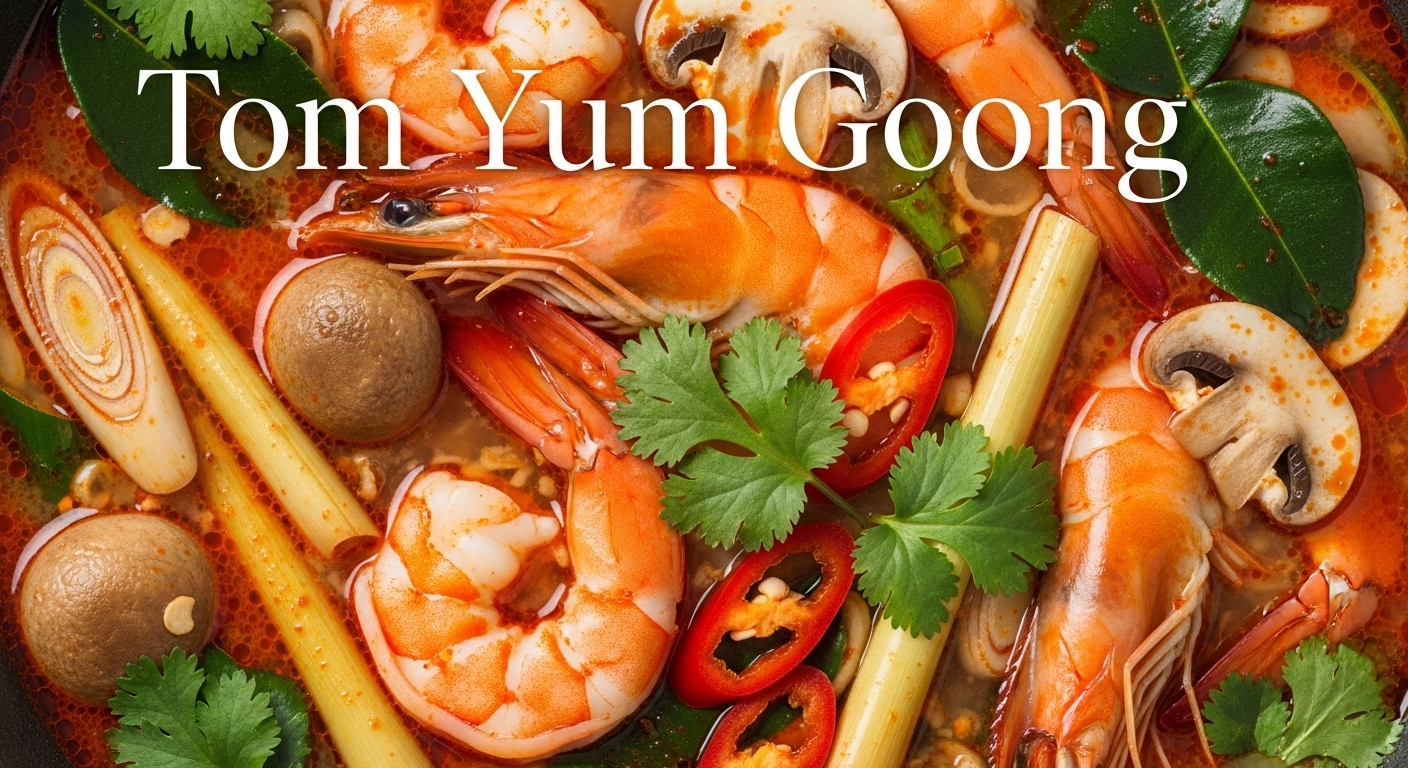
In the vibrant tapestry of Thai cuisine, few dishes ignite the senses quiet like Tom yum Goong. This fiery, sour soup is more than just a meal-it’s a bold symphony of flavors that dances on the palate, blending aromatic herbs, succulent shrimp, and a tangy, spicy broth into a culinary masterpiece. Rooted deeply in Thailand’s rich cultural heritage, Tom Yum goong embodies the country’s passion for balance and intensity, inviting food lovers on a flavorful journey that is both invigorating and comforting. Join us as we explore the origins, ingredients, and enduring allure of this iconic Thai delight, uncovering what makes Tom Yum Goong a beloved staple from street stalls to high-end kitchens across the globe.
Tom Yum Goong captures the essence of Thailand’s vibrant culinary landscape with its fiery, sour, and aromatic profile that delights both locals and adventurous food lovers worldwide. This iconic Thai soup emerged from humble origins along the bustling river markets, where fresh shrimp, fragrant herbs, and zesty spices melded together to create an unforgettable sensory experience. Each spoonful bursts with bold flavors that tell a rich story of tradition, community, and the Thai philosophy of balancing tastes.
Prep and Cook Time
- Planning: 15 minutes
- Cooking: 20 minutes
- Total: 35 minutes
Yield
Serves 4 generous portions
Difficulty Level
Medium – Beginner cooks can succeed with attention to balance and ingredients
Key Ingredients that Define Its Bold Flavors
The soul of Tom Yum Goong lies in the harmony of its fresh lemongrass stalks, piercing galangal root, and fragrant kaffir lime leaves that build the aromatic backbone. The intense heat comes from fiery bird’s eye chilies, while the sour punch is perfectly provided by fresh lime juice and tamarind paste. Juicy, succulent shrimp (goong) offer a naturally sweet contrast, while fish sauce deepens the umami undertone essential to authentic Thai broth. Endless layers of flavor are rounded out by sweet cherry tomatoes and fragrant Thai coriander sprigs.
Mastering the Balance of Spicy, Sour, and Aromatic Notes
Achieving Tom Yum Goong’s legendary flavor requires a delicate yet bold dance between spice, acidity, and fragrance. Start with a homemade broth infused by simmering lemongrass, galangal, and kaffir lime leaves just long enough to release their oils without bitterness. the bright heat of fresh chilies should be adjusted according to taste but never muted entirely – it’s this kick that awakens every other ingredient. The sourness from fresh lime juice and tamarind must strike a vibrant chord, neither overwhelming nor faint. finishing with fragrant herbs and fish sauce layers depth from salty and fresh umami voices.
Tips for Authentic Preparation and Serving Suggestions
To capture the true spirit of tom Yum Goong, always use fresh ingredients and avoid shortcuts that sacrifice brightness. Crush lemongrass stalks and gently bruise herbs to release maximum fragrance.Add shrimp last,cooking only until just pink to keep them tender. For a clean, clear broth, skim foam during cooking. Serve piping hot in rustic bowls garnished with fresh coriander,sliced chilies,and wedges of lime for extra zest.Pair your soup with steamed jasmine rice to soothe the palate and balance the intensity of this vibrant dish.
Ingredients
- 6 cups water or light seafood stock
- 1 stalk lemongrass, trimmed and smashed
- 3 slices fresh galangal (about 1/4 inch each)
- 4 kaffir lime leaves, torn
- 200g (7 oz) fresh shrimp/prawns, peeled and deveined
- 6 bird’s eye chilies, bruised (adjust to taste)
- 1 cup cherry tomatoes, halved
- 3 tbsp fish sauce
- 2 tbsp tamarind paste, dissolved in 1/4 cup warm water
- 2 tbsp fresh lime juice
- 1 tsp palm sugar or brown sugar
- Fresh coriander leaves for garnish
instructions
- Prepare the broth: In a medium pot, bring water or seafood stock to a gentle boil. Add smashed lemongrass, sliced galangal, and torn kaffir lime leaves. Simmer uncovered for 10 minutes, allowing aromatic oils to infuse the broth.
- Add heat and sweetness: stir in bruised bird’s eye chilies, cherry tomatoes, fish sauce, tamarind water, and palm sugar. allow the soup to simmer for another 5 minutes, balancing flavors by tasting often.
- Cook the shrimp: Add shrimp to the pot and cook just until they turn pink and firm, about 2-3 minutes.Avoid overcooking to keep their juicy texture intact.
- Finish with fresh lime: Remove pot from heat and immediately stir in fresh lime juice, adjusting for desired sourness.Discard lemongrass, galangal slices, and kaffir leaves before serving.
- Garnish and serve: Ladle soup into bowls and garnish liberally with fresh coriander leaves and optional sliced chilies. Serve hot alongside steamed jasmine rice for a complete meal.
Chef’s Notes & Tips for Success
- use fresh shrimp for the sweetest and freshest umami; frozen can work,but thaw fully and pat dry.
- For a vibrant, clear broth, avoid stirring vigorously once shrimp are added.
- Replace tamarind paste with fresh lime juice only if tamarind is unavailable, but beware this shifts the flavor profile.
- Add bird’s eye chilies crushed into the broth for heat; reserve a few sliced for garnish to enhance presentation.
- Make the broth base ahead and store refrigerated; add shrimp and lime juice just before serving to maintain freshness.
Serving Suggestions
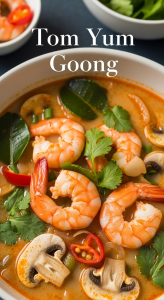
Present Tom Yum Goong in rustic, shallow bowls to showcase its vibrant orange-red broth, dotted with cherry tomatoes and fragrant herbs. For a fresh contrast, serve with a side of steamed jasmine rice or Thai sticky rice. garnishes like thinly sliced fresh red chilies and sprigs of coriander add visual appeal and extra layers of heat and freshness. A wedge of lime on the side invites diners to customize the soup’s acidity to their liking. Pair this fiery sour soup with mild steamed fish or a crunchy Thai salad (som tam) for an authentic Thai dining experience.
| Nutrient | per Serving |
|---|---|
| Calories | 180 kcal |
| Protein | 22 g |
| Carbohydrates | 8 g |
| Fat | 4 g |
Discover more about Thai culinary traditions or visit Encyclopedia Britannica’s Tom Yum overview for deeper cultural insights.

Q&A
Q&A: Tom Yum Goong – Exploring Thailand’s Fiery Sour Soup Delight
Q1: what is Tom Yum Goong?
A1: Tom Yum Goong is a classic Thai soup known for its bold, aromatic flavors that perfectly balance spicy, sour, salty, and slightly sweet notes. The name translates to “boiling shrimp soup,” highlighting its star ingredient-fresh, succulent prawns-immersed in a zesty broth infused with herbs and spices.
Q2: What makes Tom Yum Goong so uniquely flavorful?
A2: The magic lies in its harmonious blend of ingredients like fresh lemongrass, galangal, kaffir lime leaves, and fresh chilies. These aromatics create an invigorating fragrance, while lime juice and fish sauce add layers of sourness and umami. The use of fresh prawns adds a natural sweetness and tender texture that elevates the entire dish.
Q3: How spicy is Tom Yum Goong?
A3: Tom Yum Goong can range from moderately spicy to fiery hot, depending on the number of fresh Thai chilies used. The soup’s heat is balanced by the sourness of lime and the comforting warmth of lemongrass and galangal, making it both refreshing and exciting for the palate.
Q4: Are there vegetarian or vegan versions of tom Yum Goong?
A4: While the customary recipe features shrimp, vegetarian or vegan adaptations are possible using ingredients like mushrooms, tofu, and vegetable broth. Replacing fish sauce with soy sauce or tamari preserves the umami quality,while keeping the distinctive herbal and spicy elements intact.
Q5: what occasions is Tom yum Goong typically enjoyed?
A5: Tom Yum Goong is a versatile dish enjoyed year-round in thailand, both at home and in street food stalls. Its warming, vibrant qualities make it especially popular during cooler months or when craving a refreshingly spicy meal that awakens the senses.
Q6: Can you describe the cultural significance of Tom Yum Goong?
A6: Tom Yum Goong embodies the heart of Thai culinary philosophy-balance and harmony. It’s more than just food; it’s a culinary tradition that represents Thai hospitality and love for bold, fresh flavors. Sharing this soup around the table is a way of bringing people together through unforgettable taste.
Q7: What are common side dishes or accompaniments served with Tom Yum Goong?
A7: Tom Yum Goong is often enjoyed with steamed jasmine rice, which tempers the heat and soaks up the flavorsome broth. It pairs well with light stir-fried vegetables or fresh herbs like cilantro and Thai basil,enhancing the overall meal with freshness and texture.
Q8: How can one best appreciate the experience of eating tom Yum Goong?
A8: Savoring Tom Yum Goong is an exploration of layers and sensations-first the fragrant aromas, then the initial tangy zing, followed by a warming chili sting, and finally the mellow sweetness from the prawns. Eating this soup slowly, breathing in its fragrance, and balancing each spoonful with rice brings the full Thai dining experience to life.
Insights and Conclusions
As the final spoonful of Tom Yum Goong lingers on the palate, it’s clear that this iconic Thai soup is much more than just a dish-it’s a vibrant tapestry of flavors that tells a story of tradition, culture, and culinary artistry. Whether you’re drawn to its fiery heat, its zesty sourness, or the symphony of fragrant herbs dancing in every bite, Tom Yum Goong invites you to experience Thailand’s rich heritage in a bowl. So next time you crave a taste adventure, let this spicy, sour delight warm your senses and ignite your passion for authentic Thai cuisine. After all,in every sip lies a flavorful journey waiting to be explored.