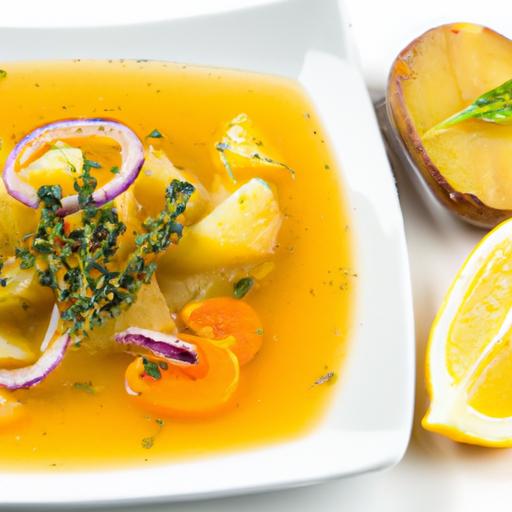
In the vibrant tapestry of Mediterranean cuisine, few dishes capture the essence of simplicity and bold flavor quite like the Zesty Greek Lemon & Potato stew. This citrus-infused classic is more than just a humble stew; it’s a celebration of shining, tangy lemons mingling effortlessly with tender potatoes and aromatic herbs-a dish that has warmed Greek homes for generations. Combining rustic comfort with a refreshing zing, this stew invites you on a culinary journey to sun-drenched shores where every spoonful echoes the lively spirit of Greek tradition. Join us as we explore the roots and recipe of this timeless favorite, uncovering the secrets behind its irresistible balance of zest and heartiness.
Origins and Cultural Importance of the Zesty Greek Lemon and Potato Stew
zesty Greek Lemon & Potato Stew is more than just a comforting dish; it is a vibrant celebration of Greek culinary tradition.
Rooted deeply in the rustic kitchens of Greece,this citrus-infused classic has been a staple of family gatherings and festive occasions for generations. The marriage of tender potatoes and the bright acidity of fresh lemon reflects the Mediterranean’s abundant produce and the greek reverence for simple yet bold flavors.
Historically, this stew embraced the Greek heritage of making humble ingredients shine, embodying the phrase “kitchen chemistry.” It aligns perfectly with the Mediterranean diet principles, emphasizing freshness, heartiness, and balance.
This dish brings warmth during cooler seasons but, thanks to its refreshing lemon essence, remains delightfully vibrant year-round. Each spoonful tells a story of sunshine, tradition, and the soothing power of home-cooked love.
Prep and Cook Time
- Planning: 15 minutes
- Cooking: 45 minutes
- Total Time: 1 hour
Yield
Serves 4 to 6 warmly satisfied guests
Difficulty Level
Easy – Perfect for both novice cooks and seasoned home chefs who crave bright, comforting flavors
Key Ingredients That Bring Brightness and Comfort to Every Spoonful
- 2 lbs Yukon Gold potatoes, peeled and cut into chunks
- 1/4 cup extra virgin olive oil, for a lush mouthfeel
- 1 large onion, finely chopped
- 3 garlic cloves, minced for that unmistakable aroma
- Juice of 3 large lemons (approximately 1/2 cup), freshly squeezed for vibrant acidity
- 1 1/2 cups vegetable broth, low sodium to let flavors shine
- 1 tbsp fresh oregano, finely chopped (or 1 tsp dried oregano)
- Salt and freshly ground black pepper, to taste
- 1/4 cup fresh parsley, chopped for garnish
- 1 tsp cornstarch (optional, to thicken the stew)
Step-by-Step guide to Achieving the Perfect Citrus-Infused Stew
- Prepare the potatoes: Peel and chop them into evenly sized chunks to ensure uniform cooking.
- Sauté the aromatics: heat olive oil in a large pot over medium heat.Add chopped onion and garlic. Sauté until translucent and fragrant, about 5 minutes. stir occasionally to avoid burning.
- Combine potatoes and broth: Add the potatoes to the pot, then pour in the vegetable broth. Season lightly with salt and pepper.
- simmer gently: Bring to a boil, then reduce heat to low. cover and simmer for 25-30 minutes, or until potatoes are fork-tender.
- Infuse with lemon: Stir in the fresh lemon juice and oregano. Simmer uncovered for another 5-7 minutes to marry all the flavors.
- Optional thickening: If desired, mix 1 tsp cornstarch with 2 tbsp cold water until smooth. Stir into the stew and cook for a further 2 minutes until slightly thickened.
- Adjust seasoning: Taste carefully and tweak salt, pepper, or lemon juice balance as needed.
- Final touch: Sprinkle freshly chopped parsley over every bowl for a burst of color and herbal brightness.
Expert Tips for Balancing Flavors and Elevating Your Greek Lemon Potato Experience
- Choose the right potatoes: Yukon Golds provide the perfect tender yet firm texture, absorbing lemon without disintegrating.
- Fresh lemon juice is key: Bottled lemon juice lacks the essential brightness. Always opt for freshly squeezed lemons to maintain that citrus zing.
- Don’t rush the simmer: Slow cooking melds the olive oil, herbs, and lemon beautifully. patience delivers depth in every spoonful.
- Customize your herbs: While oregano is traditional, adding a hint of thyme or dill can add delightful nuance.
- Make ahead tips: this stew tastes even better the next day once the flavors have further developed. Simply reheat gently over low heat.
- Serving warmth: Always serve the stew hot to maximize comforting and bright flavor contrasts-perfect after a day exploring Mediterranean flavors.
Serving Suggestions
Serve this zesty Greek lemon & potato stew alongside warm crusty bread or a simple green salad dressed with olive oil and red wine vinegar. For an authentic touch, garnish with crumbled feta cheese or a dollop of Greek yogurt to add creamy contrast. pair with grilled vegetables or roasted chicken for a complete meal that highlights the stew’s citrus freshness beautifully.

| Nutrient | Per Serving |
|---|---|
| Calories | 210 kcal |
| Protein | 4 g |
| Carbohydrates | 35 g |
| Fat | 7 g |
Discover more savory mediterranean recipes like the Mediterranean Greek Roasted Vegetables to complement your stew. For an in-depth look at lemon’s health benefits, visit the Healthline guide to lemons.
Q&A
Q&A: Zesty Greek Lemon & Potato Stew: A Citrus-Infused Classic
Q1: What makes the Zesty Greek Lemon & Potato stew a standout dish in Greek cuisine?
A1: This stew is a bright, comforting celebration of simplicity and flavor. The key is the vibrant marriage of tart lemon juice and aromatic lemon zest with creamy potatoes, all simmered in a herb-infused broth. It’s a dish that balances rustic heartiness with refreshing citrus notes, embodying the Greek love for fresh, wholesome ingredients.
Q2: How does lemon transform the flavor profile of this traditional potato stew?
A2: Lemon adds a lively zing that cuts through the natural earthiness of the potatoes, elevating the dish beyond typical comfort food. The zest delivers fragrant oils that awaken the senses, while the juice provides tang and brightness, creating an uplifting, invigorating stew that feels both nourishing and light.
Q3: Can this stew be easily adapted for dietary preferences such as vegetarian or vegan?
A3: Absolutely! The classic version is naturally vegetarian and can effortlessly be vegan if vegetable broth is used. Its foundation of potatoes, lemon, garlic, herbs like oregano and dill, and olive oil creates a rich, satisfying stew without the need for animal products. This flexibility makes it a perfect choice for diverse diets.
Q4: What herbs and spices are essential to achieving the authentic Greek flavor in this stew?
A4: Oregano reigns supreme in this dish, imparting an earthy, slightly peppery aroma, complemented beautifully by fresh dill or parsley for brightness. A generous dose of garlic enhances depth, while a pinch of black pepper rounds out the profile. These simple herbs and spices are key to capturing that quintessential Greek character.
Q5: Is this stew typically served as a main course or a side dish?
A5: Traditionally, it can star as a hearty main course, especially when paired with crusty bread to soak up the aromatic broth. Tho, it also shines as a vibrant side that complements grilled vegetables or legumes, making it versatile in many mealtime contexts.
Q6: What cooking techniques are vital for perfecting the texture of the potatoes in this stew?
A6: Slow simmering is crucial. Potatoes are gently cooked until tender but still hold their shape, soaking up the lemony broth without turning mushy. Often, the potatoes are first sautéed lightly in olive oil to develop a subtle golden crust, adding layers of flavor before the broth is introduced.
Q7: How does this dish reflect the cultural and seasonal influences of Greece?
A7: The use of lemon highlights the Mediterranean’s abundant citrus groves, while potatoes reflect the rustic, agrarian roots of the region. This stew leverages local, seasonal produce and epitomizes the Greek ethos of simple, honest cooking that honors natural flavors-a culinary snapshot of Greek land and tradition.
Q8: Are there any tips for balancing the acidity from the lemon to avoid overwhelming the dish?
A8: Yes, balancing lemon’s sharpness is key. A touch of sweetness from a small amount of finely chopped onions or a pinch of natural sweetener like honey can mellow the acidity. Additionally, incorporating creamy elements such as a drizzle of extra virgin olive oil or a splash of plant-based milk can round out the tartness without dulling the citrus character.
Q9: Can other root vegetables be added to enhance the stew?
A9: Certainly! Carrots, parsnips, or even turnips can bring complementary textures and mild sweetness. These additions deepen the stew’s complexity and add a gorgeous color contrast. just be mindful to adjust cooking times to ensure all vegetables are tender and harmonize with the lemon flavor.
Q10: How is this stew traditionally enjoyed in Greece, and are there any customary accompaniments?
A10: It’s often enjoyed family-style, served warm alongside fresh rustic bread for dipping. A simple greek salad or lightly grilled greens and olives make perfect companions, adding crispness and varying textures. This communal dining experience reflects Greek hospitality and the joy of sharing vibrant, satisfying food.
In Summary
As the warm, tangy aroma of the Zesty Greek Lemon & Potato Stew lingers on your palate, you’re reminded that sometimes the simplest ingredients create the most memorable meals. This citrus-infused classic isn’t just a dish; it’s a celebration of tradition, culture, and the vibrant flavors of the Mediterranean. Whether enjoyed as a hearty family dinner or a comforting solo indulgence, its bright lemony zest and tender potatoes invite you to savor every spoonful. So next time you’re craving a stew that’s both soul-warming and refreshingly vibrant,let this Greek masterpiece transport you to sun-drenched shores and lively meze tables-proving that in cooking,a little zest goes a long way.