There are few culinary pairings as effortlessly satisfying as Authentic Hummus and pita—a timeless duo that transcends borders and generations with its harmonious blend of flavor and tradition. From the bustling markets of the Mediterranean to home kitchens around the world, this combination has long been celebrated not only for its tasty taste but also for the cultural stories it carries.
In every creamy scoop of Authentic Hummus and every warm, pillowy bite of pita, there lies a rich history woven with nourishment, community, and comfort—inviting us to explore more than just food, but a shared heritage that continues to bring people together.
When it comes to Authentic Hummus, Hummus and Pita have long been cherished staples in Middle Eastern cuisine, weaving together a timeless duo of flavor and tradition that transcends borders and generations. Rooted in the Levantine region, this pairing embodies centuries of cultural exchange, hospitality, and simple yet profound culinary artistry. Whether you’re dipping into warm, fluffy pita or savoring the creamy, tangy hummus, each bite is proof of history and community sharing a bowl.
Authentic Hummus: Prep and Cook Time
- Preparation: 15 minutes
- Cooking: 15 minutes (for homemade pita)
- Total Time: 30 minutes
Yield
Serves 4-6 as an appetizer or snack
Difficulty Level
Easy to Medium
Ingredients
- For the Classic Hummus:
- 1 cup dried chickpeas (or 2 cups canned,drained and rinsed)
- 1/2 cup tahini (sesame paste),well stirred
- 1/4 cup fresh lemon juice (about 2 lemons)
- 2 cloves garlic,peeled and smashed
- 1/4 cup extra-virgin olive oil,plus more for drizzling
- 1 teaspoon ground cumin
- Salt to taste (about 1 teaspoon)
- Cold water or reserved chickpea cooking liquid,as needed
- For Perfect Pita bread:
- 2 cups all-purpose flour,sifted
- 1 teaspoon instant yeast
- 1 teaspoon sugar
- 3/4 teaspoon salt
- 3/4 cup warm water (about 110°F)
- 1 tablespoon olive oil
Instructions
- Prepare the Chickpeas: If using dried,soak chickpeas overnight in plenty of cold water. Drain, then place in a pot, cover with water and bring to a boil. Simmer for 45-60 minutes until tender; skim off any foam. Drain but reserve some cooking liquid.
- Make the Hummus base: In a food processor, combine cooked chickpeas, tahini, lemon juice, garlic, cumin, and salt. Blend until smooth. Gradually add cold water or reserved cooking liquid to reach a creamy, spreadable consistency.
- Emulsify and Flavor: With the processor running,slowly pour in olive oil,blending until the hummus is luxuriously smooth and silky.Taste and adjust lemon, garlic, or salt as desired.
- Prepare the Pita Dough: In a mixing bowl, stir together flour, yeast, sugar, and salt. Add warm water and olive oil, mixing until a sticky dough forms.
- knead the Dough: Turn the dough onto a floured surface and knead 10 minutes until elastic and smooth. Place in a lightly oiled bowl, cover with a damp cloth, and let rise for 1 hour or until doubled in size.
- Shape and Bake Pita: preheat oven to 475°F (245°C) and place a baking stone or inverted sheet pan inside. Divide the dough into 6 equal balls, roll each into a thin circle about 1/4 inch thick. Working quickly, transfer dough rounds to the hot surface and bake 3-4 minutes until puffed and lightly golden. Remove and cover with a clean towel to keep soft.
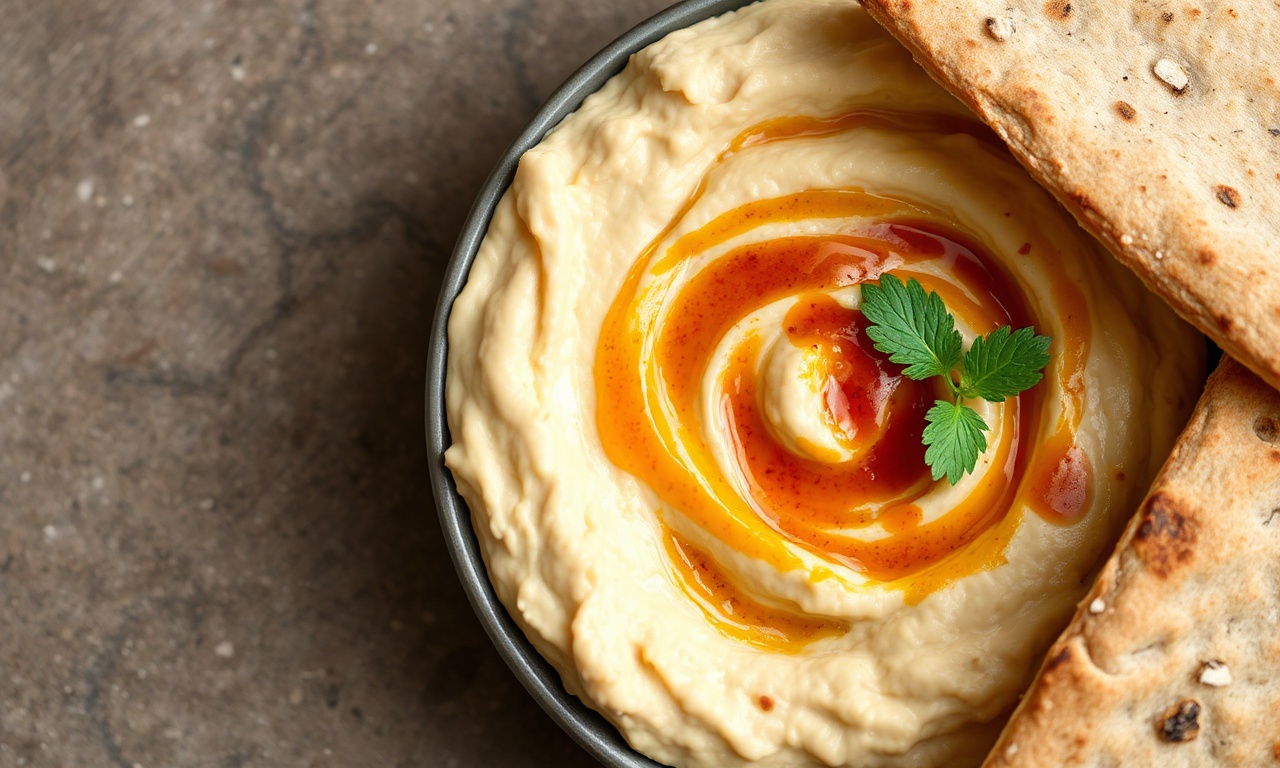
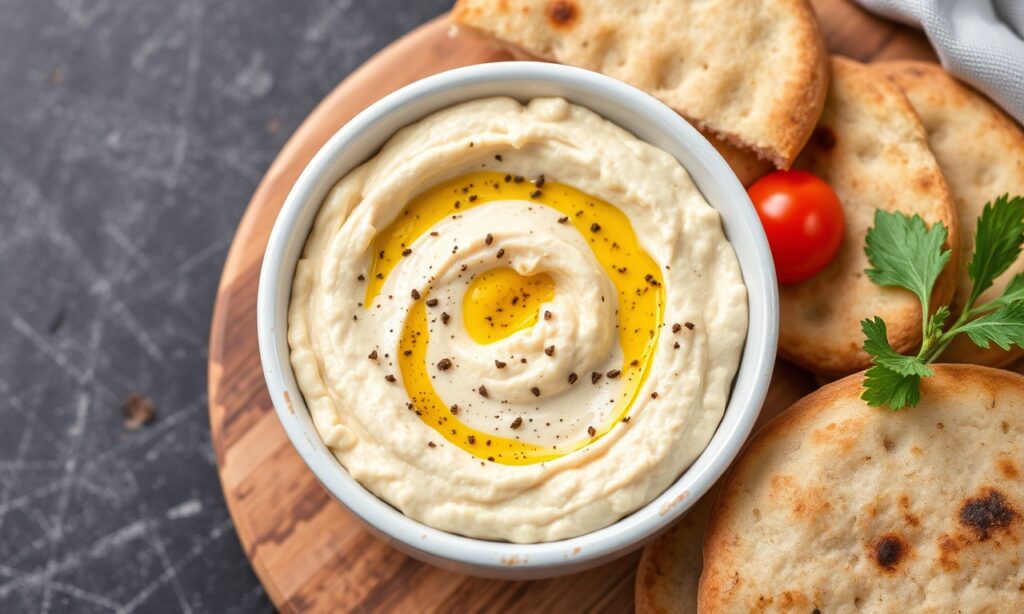
- Serve and Garnish: Spoon hummus into a shallow bowl, create a swirl, drizzle with high-quality olive oil, and sprinkle with smoked paprika or za’atar. Arrange warm pita alongside for dipping.
Why Authentic Hummus Matters: Tips for Success
- Soaking and cooking dried chickpeas creates a richer, creamier hummus than canned, but canned works beautifully for convenience.
- Use fresh lemon juice to brighten the hummus – bottled lemon lacks that vibrant acidity.
- For an ultra-smooth texture, peel the skins off chickpeas by gently rubbing them between your hands after cooking.
- Rest your pita dough adequately; rushed dough results in dense, chewy bread without those signature pockets.
- Cook pita on a blazing-hot surface; the heat causes rapid steam inflation, creating the soft layers and pocket.
- Make-ahead tip: Hummus can be refrigerated for up to 5 days; bring to room temperature before serving. Pita freezes well – toast lightly to revive freshness.
Serving Suggestions
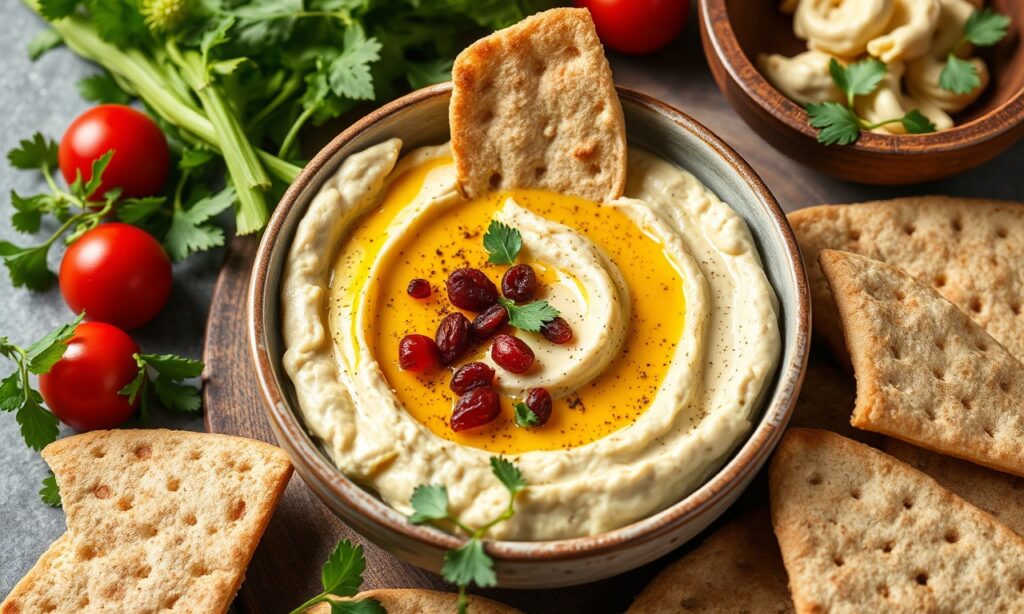
In the context of Authentic Hummus, Pair this iconic duo with vibrant accompaniments to elevate your experience. Serve hummus garnished with freshly chopped parsley, toasted pine nuts, or a sprinkle of sumac. Drizzle extra virgin olive oil generously across the surface for a luscious shine. Offer a side of crunchy baby carrots,sliced cucumbers,and tomato wedges to add fresh contrast.
Around Authentic Hummus, For an inspired platter, add warm pita wedges alongside roasted eggplant slices or grilled vegetables. You can also spread hummus inside a pita wrap with falafel, tabbouleh, and a drizzle of tahini sauce for an on-the-go Middle Eastern wrap sensation.
| Nutrient | Per Serving |
|---|---|
| Calories | 245 |
| protein | 8g |
| Carbohydrates | 35g |
| fat | 8g |
Regarding Authentic Hummus, Discover more about authentic Mediterranean dishes and explore the cultural richness behind these timeless flavors.
When it comes to Authentic Hummus, For further insight into the health benefits of legumes, visit the Wikipedia page on legumes.
Q&A
Q&A: Hummus and pita – A Timeless Duo of Flavor and Tradition
In the context of Authentic Hummus, Q1: What makes hummus and pita such a classic pairing?
A1: Hummus and pita have long shared a harmonious culinary relationship rooted in both tradition and flavor. The creamy, nutty, and slightly tangy profile of hummus perfectly complements the soft, warm, and slightly chewy texture of pita bread. This balance creates a sensory experience that’s both satisfying and comforting, making them inseparable companions on plates across the Middle East and beyond.
Around Authentic Hummus, Q2: Where did hummus and pita originate?
A2: Hummus and pita both hail from the Eastern Mediterranean and Middle Eastern regions, where they have been staples for thousands of years. Pita, often called “Arabic bread,” is a simple flatbread that acts as the perfect vessel for dips like hummus, which is made primarily of chickpeas, tahini, lemon juice, and garlic. Their origins date back to ancient civilizations where sharing food was an essential part of social life.
Regarding Authentic Hummus, Q3: How has the tradition of eating hummus with pita evolved over time?
A3: While the core ingredients have remained remarkably consistent, the ways in which hummus and pita are enjoyed have blossomed tremendously. traditional meals might have featured them alongside fresh vegetables, olives, and grilled meats, but today, creativity abounds. From contemporary garnishes like roasted red peppers and za’atar to modern pairings in wraps and bowls, the duo remains versatile, bridging tradition with innovation.
Q4: What nutritional benefits do hummus and pita offer together?
A4: Together, hummus and pita create a balanced, nutrient-rich snack or meal component. Hummus is packed with plant-based protein and fiber from chickpeas, heart-healthy fats from tahini and olive oil, and essential vitamins and minerals. Pita bread provides a wholesome carbohydrate base, supplying energy and some dietary fiber, especially when made from whole wheat. Their combination is filling yet light-a perfect match for those seeking nutritious, delicious food.
Q5: Can you suggest some creative ways to enjoy hummus and pita beyond the traditional dip and bread?
A5: Absolutely! Hummus and pita lend themselves beautifully to culinary creativity. Try slicing pita into triangles for crispy chips perfect for dunking, or use pita pockets stuffed with hummus, fresh veggies, and herbs for a quick, vibrant sandwich. You can also drizzle hummus over roasted vegetables or grain bowls,using pita as a side to scoop up the flavors. The possibilities are as varied as your creativity!
Q6: What role do hummus and pita play in social and cultural contexts?
A6: In many cultures, sharing hummus and pita is about more than just eating; it’s an act of community, hospitality, and party. Whether served at family gatherings, festive occasions, or casual meals, these foods invite connection and storytelling around the table. Their simplicity encourages sharing,making every bite a moment of togetherness rooted in tradition.
Q7: How can someone make authentic hummus and pita at home?
A7: Making authentic hummus involves blending cooked chickpeas with tahini, fresh lemon juice, garlic, olive oil, and a pinch of salt until smooth and creamy. For a fresh batch of pita, a simple dough of flour, yeast, water, and salt is rolled thin and baked at high heat, causing it to puff up with an iconic pocket inside. Both require minimal ingredients but a bit of patience,resulting in fresh,flavorful staples that elevate any meal.
This Q&A highlights the rich history, flavors, and contemporary appeal of hummus and pita—a timeless duo that continues to delight palates and connect cultures around the world.
Authentic Hummus in To Wrap It up
whether savored in a bustling Middle Eastern market or enjoyed at a cozy dinner table far from its origins, the timeless pairing of hummus and pita continues to bridge cultures and generations. This humble duo, born from simple ingredients yet rich with history, invites us to share in a tradition of flavor, community, and nourishment. As you dip your pita into the creamy, garlicky spread, you’re not just indulging in a snack-you’re partaking in a story centuries in the making, a celebration of culinary heritage that remains as vibrant and inviting today as it ever was.
See also: Authentic Hummus