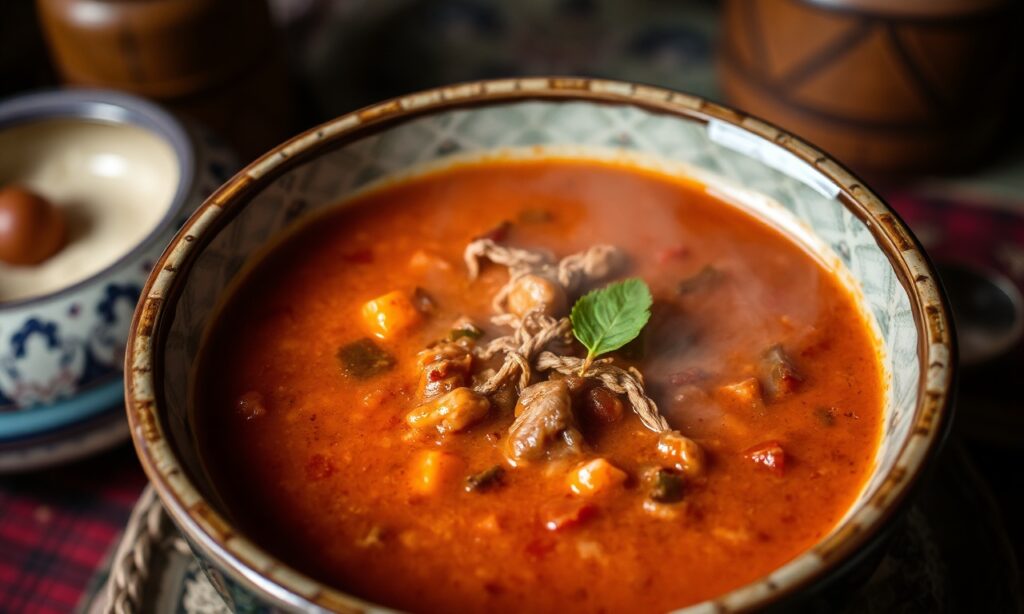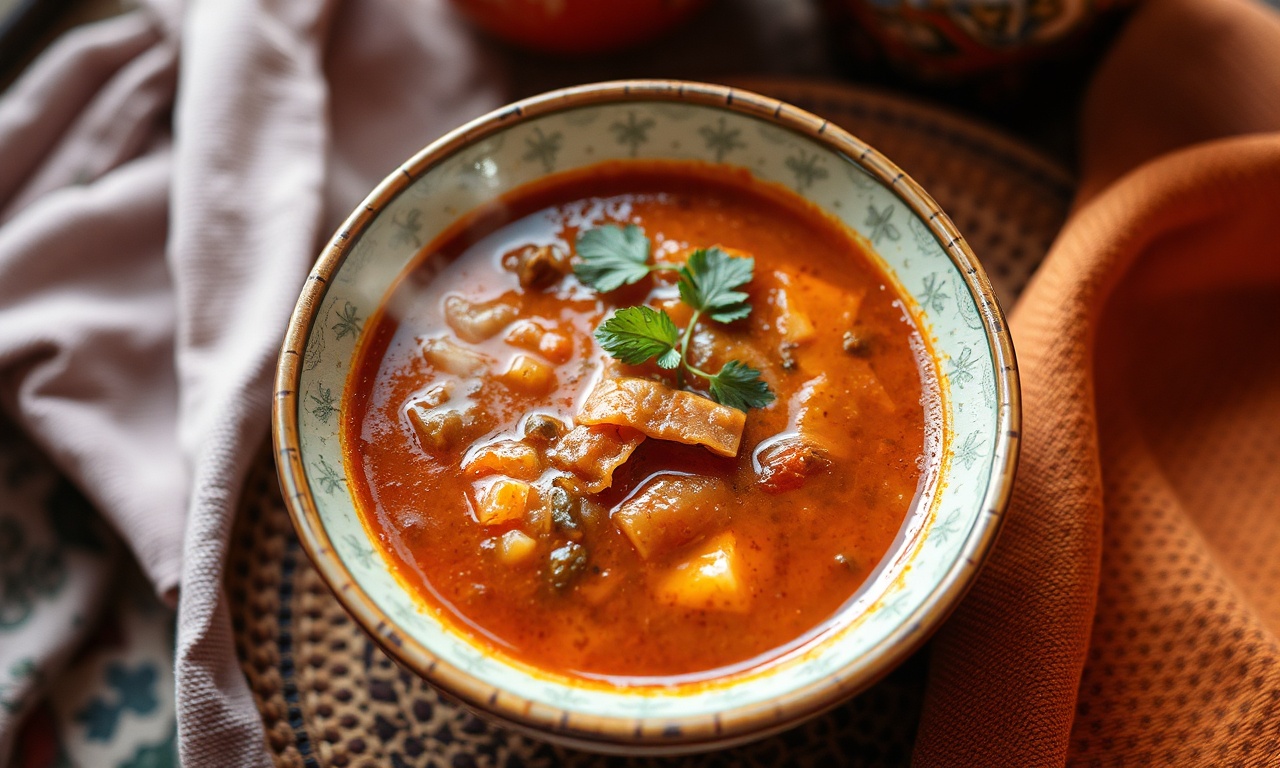
In the vibrant tapestry of Moroccan cuisine, few dishes capture the heart and soul of the culture quite like Harira soup. A steaming bowl of this hearty, aromatic blend is more than just a meal-it’s a comforting ritual steeped in history, tradition, and communal warmth.
From bustling Marrakech souks to tranquil desert evenings, Harira weaves together a rich medley of ingredients that tell a story of heritage, party, and the enduring spirit of Moroccan hospitality.Join us as we unveil the layers of flavor, tradition, and meaning that make Harira soup a beloved staple and a culinary emblem of Morocco’s vibrant culinary landscape.
Exploring the Rich Ingredients That Bring Harira to Life
Harira soup is a luscious mosaic of flavors, textures, and aromas that define Moroccan hospitality and culinary finesse. Rooted deeply in tradition, this hearty soup blends fragrant spices, fresh herbs, and wholesome legumes to create a comforting bowl that’s both nutritious and soul-satisfying.The star ingredients, like tender lamb (optional), plump tomatoes, earthy lentils, and fragrant cilantro, come together to paint a vivid taste of Morocco’s rich cultural tapestry. each component has a story, contributing layers of flavor that transform simple ingredients into a dish that feels like a warm embrace on a chilly evening.
the Cultural Significance of Harira in Moroccan Celebrations
Harira Soup holds a revered place in Moroccan tables,especially during ramadan and festive occasions. More than just a meal, it’s a symbol of community, generosity, and faith. Traditionally, Moroccans break their fast with a steaming bowl of this soup, appreciating not only its nourishing qualities but also the sense of togetherness it fosters.
The slow-cooked ingredients mirror patience and reverence, making Harira an edible celebration of heritage. Serving Harira is often accompanied by heartfelt conversations and shared stories, reinforcing its role as a dish that nourishes both body and spirit.
Step by Step Guide to Crafting Authentic Harira at home
Prep and Cook Time
- Preparation: 20 minutes
- Cooking: 1 hour 30 minutes
- Total Time: 1 hour 50 minutes
Yield
- serves 6 generous portions
Difficulty Level
- Medium – Ideal for those with basic cooking experience eager to explore Moroccan cuisine
Ingredients
- 2 tbsp olive oil
- 1 large onion, finely chopped
- 2 celery stalks, finely diced
- 2 garlic cloves, minced
- 300g lamb shoulder, cut into small cubes (optional, can use extra chickpeas for vegetarian)
- 1 cup dried chickpeas, soaked overnight and drained
- ½ cup red lentils, rinsed
- 4 large ripe tomatoes, peeled and pureed (or 1 cup canned crushed tomatoes)
- ¼ cup fresh cilantro, chopped
- ¼ cup fresh flat-leaf parsley, chopped
- 1 tsp ground cinnamon
- 1 tsp ground ginger
- 1 tsp turmeric powder
- 1 tsp paprika
- 1 tsp ground coriander
- 1 tbsp tomato paste
- 1 liter vegetable or beef broth
- 1 lemon, juice only
- Salt and freshly ground black pepper, to taste
- Optional: ¼ cup all-purpose flour mixed with ½ cup water, for thickening
- 2 eggs, beaten (to add richness and body)
Instructions
- Heat olive oil in a large heavy-bottomed pot over medium heat. Add the finely chopped onion and celery. sauté until soft and translucent, about 8 minutes, stirring occasionally to avoid browning.
- Add the minced garlic and lamb cubes (if using). Cook until the meat starts to brown, around 5-7 minutes, stirring frequently to develop flavor.
- Stir in the spices: cinnamon,ginger,turmeric,paprika,and coriander. Toast gently for 1-2 minutes to release aromas, ensuring spices don’t burn.
- Incorporate the tomato paste and pureed tomatoes. Mix thoroughly, cooking for 5 minutes until the base thickens slightly.
- Add the soaked chickpeas, rinsed lentils, and broth to the pot. Stir well and bring to a boil.
- Reduce heat to low, cover, and simmer for 1 hour 15 minutes-or until the chickpeas and meat are tender. Stir occasionally, checking liquid levels and adding water if needed.
- Add chopped parsley and cilantro. Season generously with salt and pepper. If you want a thicker texture, slowly stir in the flour-water mixture-allow it to cook for another 10 minutes.
- Lower the heat and gradually pour in the beaten eggs while stirring continuously to create a delicate velvety texture.
- Finish with a squeeze of fresh lemon juice to brighten the flavors just before serving.
Chef’s Notes
- For a vegetarian version, omit lamb and replace beef broth with vegetable broth; increase chickpeas or add fava beans for extra protein.
- Consistency can be adjusted by varying broth; conventional Harira ranges from brothy to thick enough to ladle.
- To save time, canned chickpeas can be used-reduce initial simmer accordingly.
- Leftovers improve overnight as flavors deepen; reheat gently to avoid breaking the eggs mixture.
Serving Suggestions
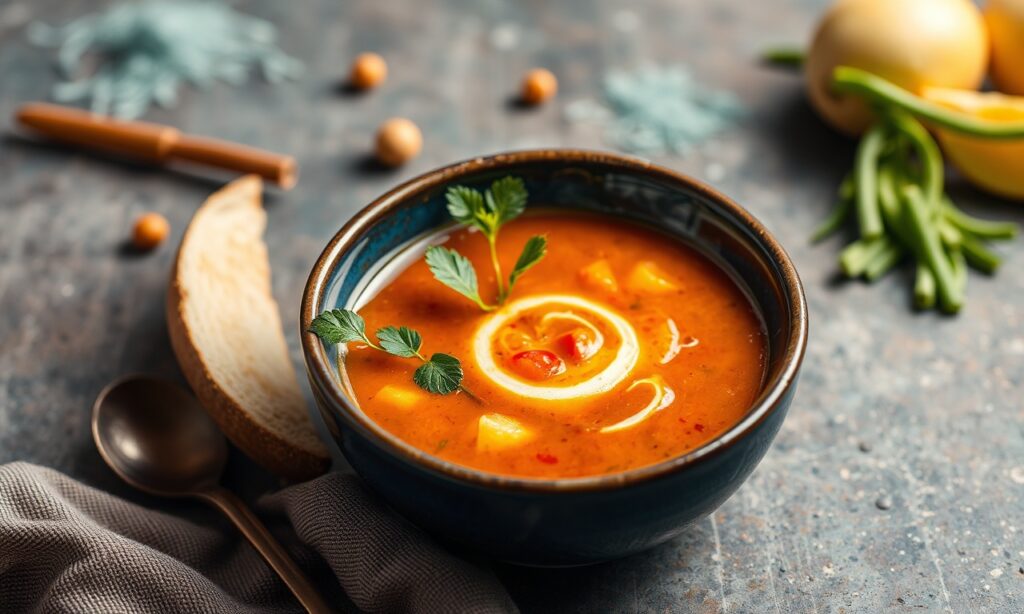
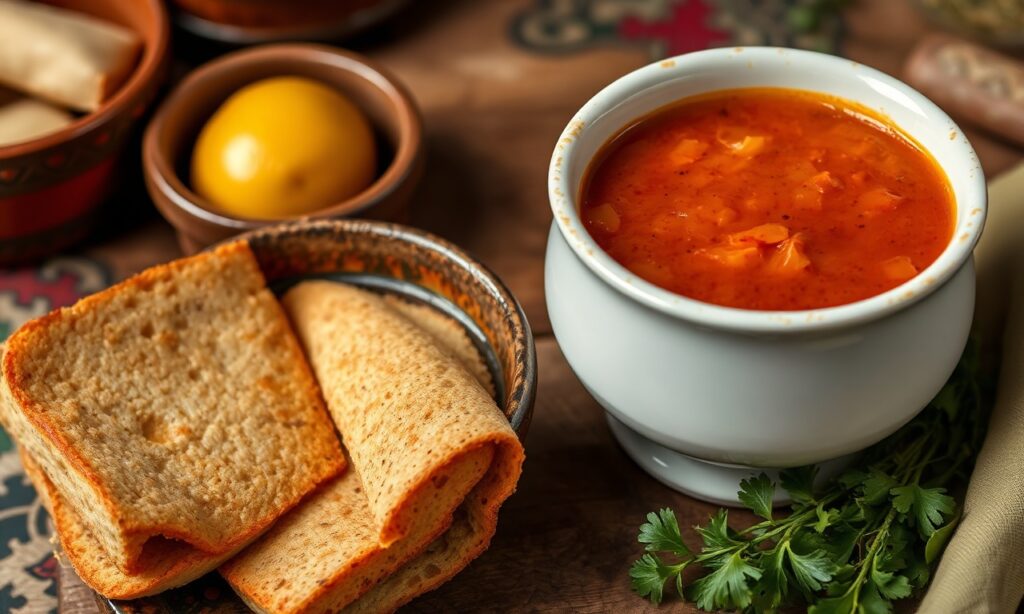
Present Harira Soup piping hot in rustic bowls,garnished with a sprinkle of fresh cilantro and a wedge of lemon on the side. traditionally, it pairs beautifully with Msemmen bread or traditional Moroccan dates, which complement its complex, spiced character. A drizzle of extra virgin olive oil or a scattering of toasted almonds can add sophistication and texture. To enhance the experience, serve with mint tea, evoking the genuine warmth of Moroccan hospitality.
Nutrition Information (per serving)
| Nutrient | Amount |
|---|---|
| Calories | 320 kcal |
| Protein | 18 g |
| Carbohydrates | 35 g |
| Fat | 10 g |
For more authentic recipes from Moroccan cuisine,check out our guide on Moroccan culinary traditions.
Q&A
Q&A: Harira Soup – Morocco’s Hearty, Flavorful Tradition Unveiled
Q: What is Harira, and why is it so beloved in Moroccan culture?
A: Harira is a traditional Moroccan soup renowned for its rich flavors and nourishing qualities. It’s more than just a meal-it’s a symbol of hospitality and community, often served during Ramadan to break the fast. Bursting with a harmonious blend of tomatoes, lentils, chickpeas, herbs, and tender meat, Harira warms both body and soul.
Q: What are the key ingredients that give Harira its unique taste?
A: The magic lies in a fragrant mix of fresh herbs like cilantro and parsley, coupled with spices such as ginger, cinnamon, turmeric, and saffron. Lentils and chickpeas bring heartiness,while tomatoes add a subtle tang. Typically, lamb or beef enriches the broth with depth and warmth. A final touch of flour mixed with water thickens the soup into a comforting, velvety texture.
Q: How is Harira traditionally prepared and served in Morocco?
A: Traditionally, Harira is simmered slowly to meld flavors and tenderize the meat, creating a thick, hearty soup. It’s usually served with dates and chebakia (a sweet sesame cookie), making the meal not just flavorful but celebratory. Families gather around bowls of Harira during special occasions, especially Ramadan evenings, forging bonds over shared warmth and tradition.
Q: Can Harira be adapted for vegetarian or vegan diets?
A: Absolutely! While meat is customary, a vegetarian version of Harira swaps it for extra vegetables or mushrooms, and doubles down on lentils and chickpeas. The spices, herbs, and legumes ensure the soup remains rich, satisfying, and bursting with Moroccan essence, even without animal products.
Q: What sets Harira apart from other soups around the world?
A: Harira’s uniqueness stems from its intricate blend of spices, its role as a communal dish, and its dual identity as both a nourishing soup and a cultural ritual. Unlike many soups that play a supporting role, Harira takes center stage-its preparation and sharing embody a deep cultural narrative about family, faith, and festivity.
Q: What occasions or times is harira most commonly enjoyed?
A: while Harira can be savored any time, it holds special significance during Ramadan, marking the joyful end to each day’s fast. It’s also a favorite at celebrations and family gatherings throughout Morocco, were its aroma fills homes as an invitation to come together, share stories, and enjoy the richness of Moroccan heritage.
Q: Are there any tips for someone attempting to make authentic Harira at home?
A: Embrace patience and love-the soup develops its magic through slow cooking and layering of flavors. Fresh herbs and quality spices make all the difference. Don’t skip the final thickening step with flour and water, which gives Harira its signature body. And most importantly, serve it with warm bread or traditional sides to fully experience this soul-warming classic.
Q: How does Harira reflect Moroccan culinary philosophy?
A: Harira exemplifies Moroccan cooking’s passion for harmony, combining diverse ingredients and spices into a balanced, comforting whole. It represents a culinary philosophy where food nourishes not only the body but also community and tradition-highlighting the importance of hospitality, generosity, and shared joy around the table.
In Summary
As the final spoonful of harira warms the heart and lingers on the palate, it’s clear that this Moroccan staple is far more than just a soup-it’s a vibrant tapestry of history, culture, and conviviality. Whether enjoyed during Ramadan or on a crisp winter evening, Harira invites us to savor not only its rich, aromatic flavors but also the stories and traditions steeped within each bowl. In unwrapping the layers of this hearty dish, we’ve uncovered a culinary emblem that continues to nourish both body and soul across generations. So, the next time you crave a taste of Morocco, let Harira guide you on a flavorful journey where every sip tells a tale.