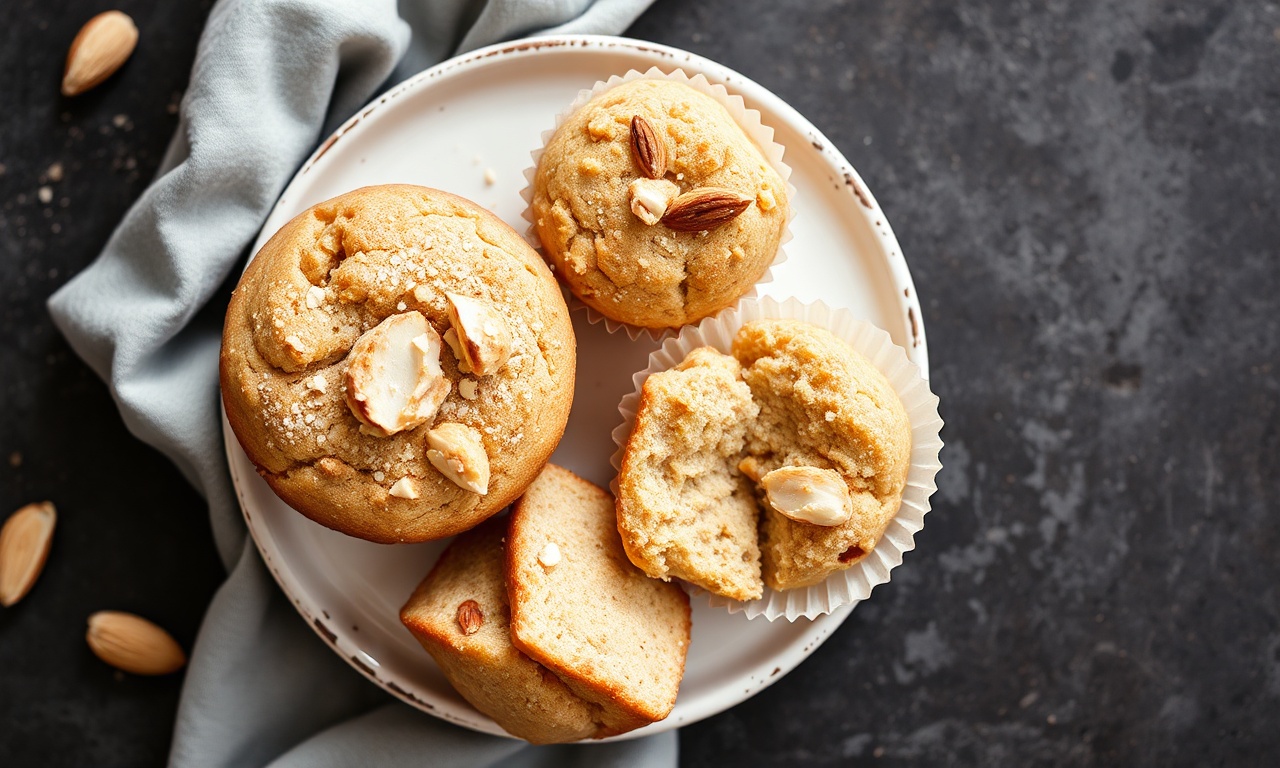
Almond flour muffins bring nutty flavor, a tender crumb, and simple ingredients into one reliable bake. They also fit popular diets because almond flour contains no wheat, which helps many people who avoid gluten. If you want a muffin that tastes like a treat but feels like real food, start here.
- Made with almond flour for a naturally nutty taste and moist texture.
- Simple method: whisk dry, mix wet, fold, bake.
- Easy swaps for sweetness level and mix-ins.
- Proper storage keeps muffins fresh for days.
These muffins help bridge breakfast and snack. They work great with coffee, yogurt, fruit, or a smear of almond butter. Plus, almond flour has enough fat to support softness, so you often get great results even without refined flour.
Why Choose Almond Flour Muffins?
Almond flour muffins stand out for flavor first. Almonds deliver natural richness, and the baking process turns it into a warm, toasted aroma. That nutty profile pairs well with vanilla, cinnamon, and fruit.
They also offer a texture advantage. Since almond flour contains ground nuts instead of wheat proteins, the muffins tend to feel moist and slightly tender rather than stretchy. If you prefer a softer bite over a high-rise muffin, almond flour fits.
For ingredient context, almond flour comes from almonds, which are part of the broader almond family. Almond flour also sits near other nut-based flours such as coconut flour, though the moisture behavior differs.
Gluten-Free Baking Without Wheat
Almond flour muffins can support gluten-free goals because almond flour contains no wheat. Still, you should check labels for cross-contact if you have celiac disease or severe gluten sensitivity.
Gluten-free baking relies on structure from ingredients like eggs and leavening. That means technique matters. Mix gently, bake fully, and let the muffins cool so the crumb sets.
Eggs provide key binding proteins, which helps the muffins hold together. If you want more background on egg chemistry, see egg and how proteins set during cooking.
Prep and Cook Time
You can make almond flour muffins quickly, even on busy mornings. Most of the time goes to preheating and baking, while the actual mixing stays simple.
Preparation Time: 15 minutes
Cooking Time: 22 minutes
Total Time: 37 minutes
Yield and Difficulty
This recipe makes enough for a full week of grab-and-go snacks. You’ll get about 12 standard-sized muffins.
Yield: Makes 12 standard muffins
Difficulty: Easy—great for beginner and experienced bakers
Ingredients for Almond Flour Muffins
Use finely ground, blanched almond flour for the smoothest crumb. If your almond flour feels coarse, your muffins may bake slightly denser.
Dry ingredients and wet ingredients split the work. That structure helps you avoid overmixing, which keeps muffins tender.
- 2 ½ cups almond flour (finely ground, blanched)
- 3 large eggs at room temperature
- ⅓ cup maple syrup or honey (natural sweetness)
- ½ cup plain Greek yogurt or dairy-free yogurt
- ¼ cup melted coconut oil or unsalted butter
- 1 teaspoon baking powder
- ½ teaspoon baking soda
- ½ teaspoon sea salt
- 1 teaspoon vanilla extract
- Optional: ½ cup mix-ins like fresh blueberries, chopped dark chocolate, or toasted pecans
For reference on baking agents and how they work, review baking powder and baking soda. This helps you understand why the leavening timing matters.
Instructions: How to Make Almond Flour Muffins
Follow this order for the best rise and crumb. First, preheat and prep the pan. Then mix dry, mix wet, and fold together gently.
Step-by-Step Mixing
Preheat your oven to 350°F (175°C). Line a 12-cup muffin tin with paper liners or grease each cup well with coconut oil.
In a large bowl, whisk the almond flour, baking powder, baking soda, and sea salt. Whisking evenly helps the leavening distribute across every muffin.
In a second bowl, beat the eggs until slightly frothy. Add maple syrup, Greek yogurt, melted coconut oil, and vanilla, then mix until smooth.
Pour wet into dry. Fold with a spatula until just combined. Avoid overmixing because almond flour can tighten as it hydrates.
Add Mix-Ins and Bake
Fold in your mix-ins. Blueberries add moisture and pops of flavor. Chocolate adds richness, and toasted pecans add crunch.
Divide batter evenly among cups, filling each about ¾ full. That level supports domed tops without spilling over.
Bake for 20–25 minutes, or until a toothpick inserted in the center comes out clean. Rotate the tray halfway through for even browning.
Let muffins cool for 10 minutes in the tin, then move to a wire rack. Cooling sets the crumb and improves sliceability.
Tips for Success With Almond Flour Muffins
Small choices change the final bite. Use room-temperature eggs so the batter stays smooth. Mix just until combined so the crumb stays tender.
Almond flour absorbs liquid differently than wheat flour. If you rush the bake or overmix, the muffins can feel heavy.
- Measure almond flour carefully: Spoon and level to avoid dense muffins.
- Use room-temperature eggs: They blend more easily for a lighter batter.
- Mix-ins: Toss berries lightly in a teaspoon of flour from the recipe to reduce sinking.
- Storage: Keep in an airtight container at room temperature up to 3 days, or freeze for longer freshness.
- Substitutions: Swap Greek yogurt for coconut yogurt for a dairy-free option.
- Don’t overbake: Start testing at 20 minutes.
If you want more about why baked texture changes with moisture and heat, explore baking. It covers the role of temperature, time, and ingredient interactions.
Serving Suggestions
Serve almond flour muffins warm for the best aroma. Add a thin layer of almond butter or enjoy them plain with a hot drink.
Try a quick topping routine: toast the muffin briefly, then add almond butter and a pinch of flaky salt. The salt boosts nutty flavor and makes sweetness feel brighter.
You can also pair them with fresh fruit salad or a yogurt bowl. Citrus zest works well with almond, and berries bring natural acidity that balances richness.
For ingredient science behind flavor pairing, almonds relate closely to other tree nuts. If you want a general reference, see tree nuts and how dietary guidance often treats them.
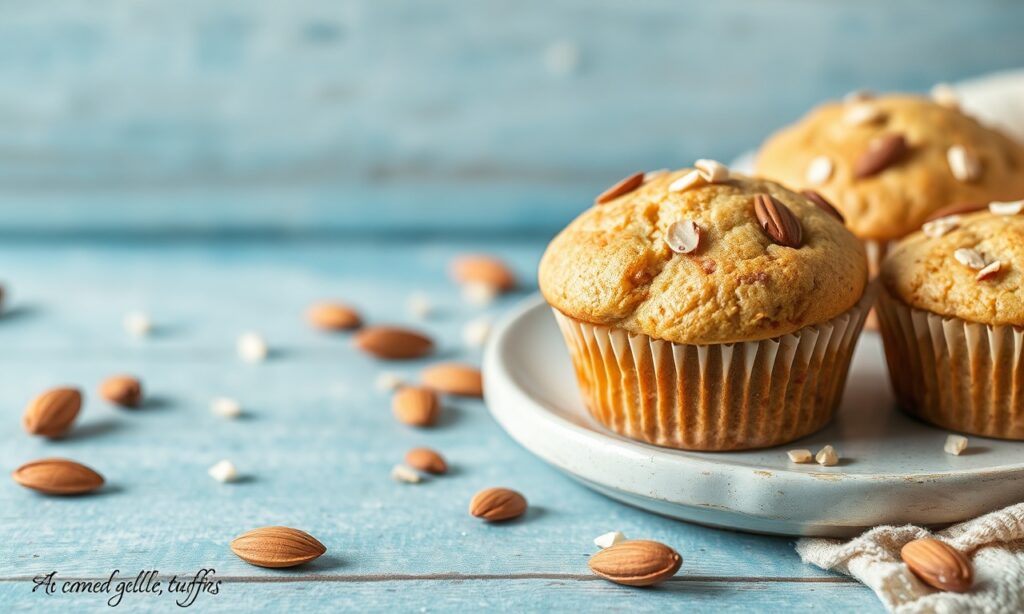
| Nutrient | Per Muffin |
|---|---|
| Calories | 190 |
| Protein | 6g |
| Carbohydrates | 9g |
| Fat | 16g |
Nutrition values vary by brand and mix-ins. Use this table as a reasonable estimate for planning, then adjust if you change sweeteners, add chocolate, or swap yogurt.
For broader nutrition context, almond flour contributes mostly from fats and protein found in almonds. If you want a reference on almond nutrition, use almond milk as a comparison point, while keeping in mind it differs from almond flour.
Q&A: Almond Flour Muffins
If you’ve never baked with almond flour, a few common questions come up fast. The answers below focus on texture, gluten-free behavior, storage, and substitutions.
Use these tips before your next bake so you can troubleshoot smoothly. Baking improves with small adjustments.
What makes almond flour muffins different from regular muffins?
Almond flour muffins use ground almonds instead of wheat flour. That changes the crumb: you usually get a softer, slightly denser texture with a nutty flavor.
Eggs and leavening still create structure and lift. Since there’s no wheat gluten, mix gently to keep the batter from getting tight.
Are almond flour muffins gluten-free?
Yes, almond flour itself contains no wheat. That supports gluten-free baking goals when you use certified gluten-free ingredients.
Always check labels for cross-contact, especially for baking powder and yogurt. Cross-contact can matter for sensitive eaters.
Can almond flour muffins be part of a healthy diet?
They can fit a healthy plan because almonds provide fats and protein, and the recipe uses moderate sweetening. Your final results depend on portion size and what you add as mix-ins.
For general dietary context on almonds and their health relevance, review Almond. Then tailor sweetness and toppings to your needs.
How do almond flour muffins affect texture and rise?
They rise, but they may not reach the same height as wheat-based muffins. The crumb often feels moist and tender because almond flour holds moisture well.
If you want more lift, bake at the right temperature and measure leavening accurately. Overmixing can also reduce the airy feel.
How should you store almond flour muffins?
Store muffins in an airtight container at room temperature for up to 3 days. For longer storage, freeze in a sealed bag or container.
Thaw at room temperature, or warm briefly in the microwave. Warming revives aroma and softness.
Can I substitute almond flour for regular flour?
Not as a direct 1:1 swap in most recipes. Almond flour has different fat and protein behavior, and it can change how batter sets during baking.
For best results, use recipes made for almond flour, or follow a conversion plan that includes eggs and correct leavening.
Enjoy baking a batch of almond flour muffins. With the right mix technique and bake time, you’ll get a consistently tender crumb and a nutty, satisfying bite.
See also: almond flour muffins