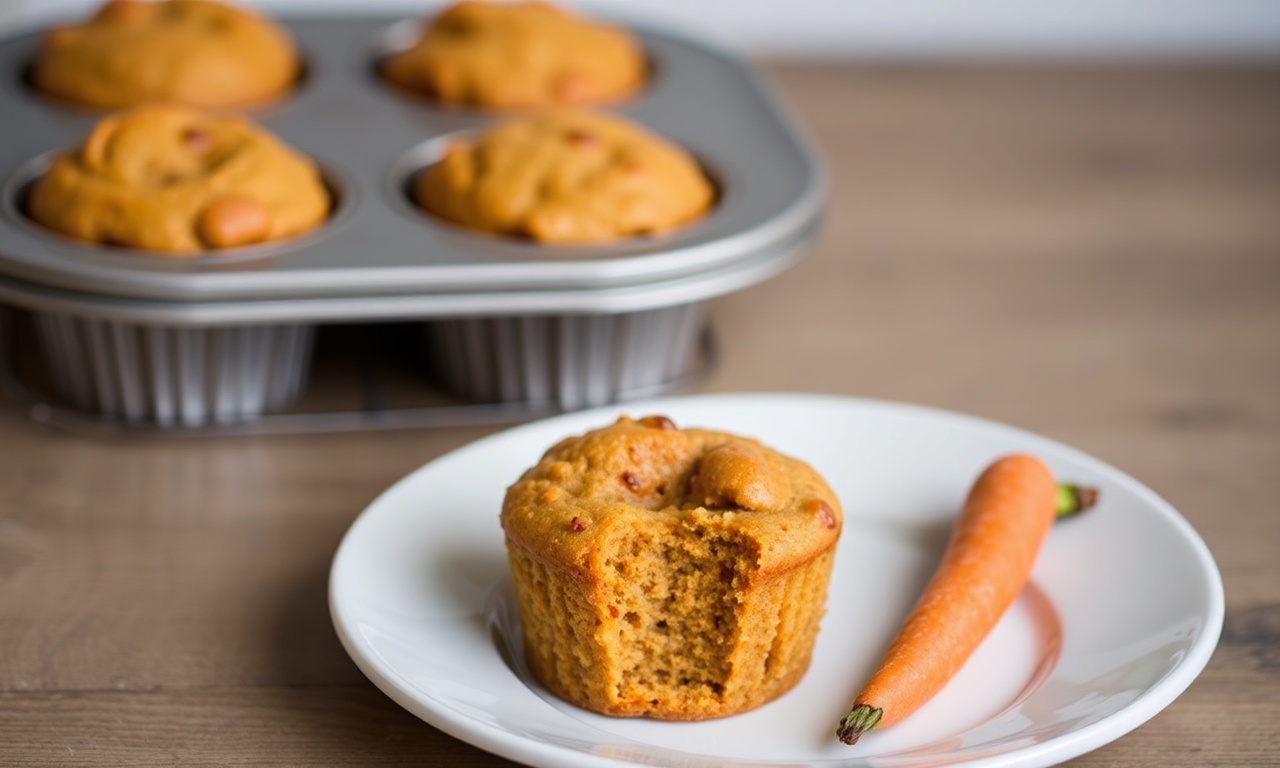
Carrot Cake Muffins (12-Min Bake): Moist, Spiced, and Made for Anytime Cravings

Michael C. Kemp By Michael C. Kemp

Carrot cake muffins deliver the same cozy flavor as classic carrot cake—warm spices, moist crumb, and sweet fruit accents—but in a format that fits any schedule. You get individual portions, easy transport, and quick serving without frosting drips or slice-and-serve stress.

  • Moisture control: fresh, finely grated carrots help the crumb stay tender.
  • Lift + texture: baking soda and baking powder balance rise and softness.
  • Flavor depth: cinnamon and nutmeg define the classic profile.
  • Mixing method: gentle folding prevents dense muffins.

If you already love carrot cake, these muffins feel like the “everyday” version. They work for breakfast, a mid-afternoon snack, or a dessert that’s ready the moment guests arrive.

Carrot cake muffins also let you customize easily. You can keep them simple with raisins, add crunch with walnuts, or fold in pineapple for extra juiciness. The base batter stays straightforward, so variation stays reliable.

Carrot Cake Muffins pair classic carrot-cake flavor with a convenient, portioned bake. The grated carrots bring natural moisture, while the spice mix gives that familiar aroma. Many recipes finish with a cream cheese swirl or a light glaze, which mirrors the signature carrot cake finish.

In most kitchens, this recipe comes together quickly because muffin batter follows the same core steps as quick breads: combine dry ingredients, mix wet ingredients, then fold together. Muffins bake fast, which helps retain tenderness. For spice and baking science background, see cinnamon and nutmeg.

Prep and Cook Time

Plan on a short prep window, followed by a quick bake. Muffins typically need less time than cake because the batter spreads in individual cups.

Preparation: 15 minutes
Cooking: 20–25 minutes
Total Time: about 40 minutes

Yield

This recipe makes 12 muffins. A dozen works well for meal prep, office snacks, or a family breakfast.

Use a standard 12-cup tin and keep each cup at about the same fill level. Even portions help each muffin bake with a similar dome and crumb structure.

Difficulty Level

These muffins qualify as an easy bake. You do not need special equipment beyond a mixing bowl, whisk, and muffin tin.

Beginner bakers often succeed because the recipe uses simple measurements and a forgiving mixing approach. For general cake-mixing context, read quick bread.

Choosing the Perfect Ingredients for Moist and Flavorful Muffins

Ingredient quality shapes the final texture more than most people expect. Carrot cake muffins rely on grated carrots for moisture, and spice for aroma.

Start with freshly grated carrots. Freshly shredded carrots hold more moisture and flavor than many pre-shredded options. If you want a learning reference on carrot nutrition and water content concepts, see carrots.

Dry ingredients and leavening

Your dry mix controls rise and crumb. Use all-purpose flour for a tender, classic muffin texture.

Combine baking soda and baking powder to balance lift and softness. Baking soda needs an acidic component to activate, and fruit additions like pineapple can help support that reaction. For the chemistry overview, review baking powder and baking soda.

Sweetness and spice balance

Use both brown sugar and granulated sugar. Brown sugar adds moisture and a deeper molasses note, while granulated sugar supports crisp edges and steady sweetness.

For the classic profile, rely on ground cinnamon and nutmeg. Cinnamon contributes a warm, sweet aroma, and nutmeg rounds the flavor without tasting “spicy.”

Fats, eggs, and flavor boosters

Choose oil for a softer crumb. Oil coats flour particles and helps prevent dryness during baking. Eggs then add structure and richness.

Vanilla extract ties everything together. It does not taste like “vanilla cake”; instead, it amplifies the spice and carrot flavors through aroma.

Optional add-ins let you tune moisture and texture. Pineapple increases juiciness. Nuts add crunch. Raisins or chopped dates contribute chew. Use a light hand with mix-ins so the batter still bakes evenly.

  • 1 ½ cups all-purpose flour, sifted
  • 1 teaspoon baking powder
  • ½ teaspoon baking soda
  • ½ teaspoon salt
  • 1 teaspoon ground cinnamon
  • ¼ teaspoon ground nutmeg
  • ½ cup brown sugar, packed
  • ½ cup granulated sugar
  • 2 large eggs, room temperature
  • ½ cup vegetable oil (or melted coconut oil)
  • 1 teaspoon vanilla extract
  • 1 ½ cups freshly grated carrots
  • ½ cup crushed pineapple, drained (optional)
  • ½ cup chopped walnuts or pecans (optional)
  • ½ cup raisins or finely chopped dates (optional)

Tips and Tricks for Baking the Ultimate Carrot Cake Muffins

Muffins succeed when you protect tenderness. The most common failure is overmixing, which develops gluten and makes the crumb feel tough.

Another frequent issue is moisture imbalance. Carrots vary in water content, and fruit add-ins can shift the batter consistency quickly.

  1. Prepare your ingredients first. Measure everything before mixing. This reduces rushing and helps you fold gently.
  2. Grate carrots finely but not paste-like. Even shreds distribute moisture. Very coarse pieces bake unevenly.
  3. Don’t overmix the batter. Stir until the flour disappears. A few lumps are normal in muffin batter.
  4. Use room temperature eggs and oil. Warmer ingredients blend smoother, so you avoid streaks in the batter.
  5. Line the muffin tin. Paper liners reduce sticking and prevent tearing when you remove hot muffins.
  6. Fill cups about ¾ full. This gives room for a dome without overflow.
  7. Check doneness early. Start testing around 20 minutes. Look for golden tops and a toothpick with a few moist crumbs, not raw batter.
  8. Cool in the pan briefly. Let muffins rest 5 minutes before moving to a rack. This step helps the crumb set.

For a better understanding of gluten development, you can review gluten. In muffin baking, less mixing typically means more tenderness and a softer bite.

Storage matters too. Muffins taste best after they cool completely, because steam redistributes moisture inside the crumb.

💡 Expert Insight
Expert Insight: If your batter looks thicker than expected, check carrot moisture first. Fresh carrots can vary by batch, so drain pineapple well and consider squeezing very wet shredded carrots gently before mixing.

Keep an eye on browning as well. Ovens vary, and high heat can set the exterior before the centers fully bake.

Use a toothpick and timing together. A toothpick test works best when you bake at the correct temperature and start checking at the right minute mark.

⚠️ Pro-Caution
Pro-Caution: Avoid adding extra liquid “just to loosen” the batter. Extra moisture can lead to gummy centers, even if the tops look done.

Instead of adding water, adjust with dry ingredients only if needed. If you notice runniness, let the batter sit 5 minutes; flour hydrates and thickens naturally.

Creative Variations to Elevate Your Carrot Cake Muffin Experience

Once the base recipe works, variations let you match the muffins to your taste. Think in layers: moisture, sweetness, and texture.

Start with one change at a time. That approach helps you learn which tweak improves your preferred result.

Flavor upgrades

Add toasted coconut for a nutty, lightly sweet crunch. Toasting improves aroma and helps the topping stay crisp.

For spice lovers, fold in a small amount of crystallized ginger. It delivers a gentle heat that pairs well with cinnamon.

Texture changes

Swap walnuts for pecans or add slivered almonds. Nuts contribute fat and crunch, which balances the soft carrot crumb.

If you want a chewy bite, choose raisins or dates. Both offer natural sweetness and help create a richer tasting center.

Frosting-style options

Some bakers mix a cream cheese portion into the batter for hidden tang. Others spoon a thin dollop on top so it bakes into a creamy cap.

If you plan a cream cheese finish, consider cream cheese for background on its texture and flavor. Keep the swirl small so muffins still bake through cleanly.

Better-for-you swaps

To reduce richness, you can swap part of the oil with unsweetened applesauce. Applesauce keeps muffins tender while lightening fat content.

For more sweetness without extra sugar, blend mashed banana with the carrots. It stays moist and adds gentle flavor.

For a general overview of bananas in baking, see banana. For zucchini muffins, the same moisture logic often applies, but keep portions consistent so batter does not become too wet.

Ingredients

Use this list as your final checklist before you start. Even spacing and accuracy matter for muffin rise.

Keep optional add-ins measured, so you can compare batches and refine texture over time.

  • 1 ½ cups all-purpose flour, sifted
  • 1 teaspoon baking powder
  • ½ teaspoon baking soda
  • ½ teaspoon salt
  • 1 teaspoon ground cinnamon
  • ¼ teaspoon ground nutmeg
  • ½ cup brown sugar, packed
  • ½ cup granulated sugar
  • 2 large eggs, room temperature
  • ½ cup vegetable oil
  • 1 teaspoon vanilla extract
  • 1 ½ cups freshly grated carrots
  • ½ cup crushed pineapple, drained (optional)
  • ½ cup chopped walnuts or pecans (optional)
  • ½ cup raisins or finely chopped dates (optional)

Instructions

Follow these steps in order. Muffin batter benefits from mixing efficiency, and the sequence prevents lumps without overworking the flour.

Read through once before you start, then begin when the oven is ready.

  1. Preheat the oven to 350°F (175°C). Line a 12-cup muffin tin with paper liners.
  2. Whisk together the flour, baking powder, baking soda, salt, cinnamon, and nutmeg in a medium bowl.
  3. Beat the brown sugar, granulated sugar, eggs, and oil in a large bowl until smooth and slightly thickened.
  4. Stir in the vanilla extract.
  5. Fold the dry ingredients into the wet mixture gently until the flour disappears. Avoid overmixing.
  6. Fold in the grated carrots, pineapple (if using), nuts, and raisins until evenly distributed.
  7. Divide batter among muffin cups, filling each about ¾ full.
  8. Bake for 20–25 minutes, until tops are golden and a toothpick shows a few moist crumbs.
  9. Cool in the pan for 5 minutes, then move muffins to a wire rack.

If you want a visual reminder of muffin structure and baking terms, browse muffin for general background. It won’t replace your timer, but it supports how batter sets during baking.

Chef’s Notes & Tips for Success

Small details protect texture and flavor. Use these notes to get consistent results across batches.

Keep your adjustments logical so you do not break the rise and moisture balance.

  • Storage: Keep carrot cake muffins in an airtight container at room temperature for up to 3 days, or freeze up to 2 months.
  • Make-ahead tip: Pre-measure dry ingredients in advance to reduce morning prep time.
  • Substitutions: For a gluten-free version, use a 1:1 gluten-free blend and follow the package guidance for binding. Baking times may change.
  • Troubleshooting: If muffins feel dry, increase pineapple slightly or add a small amount of unsweetened applesauce. Moisture tweaks should stay measured.
  • Cream cheese swirl: For a classic carrot-cake vibe, add a small spoonful of sweetened cream cheese on top or fold a portion into the center before baking.

For more on how fats behave in baking, see fat. Understanding why oil produces tenderness helps you make smart swaps.

When you freeze, cool muffins completely first. Then wrap individually to reduce freezer burn and maintain aroma.

Serving Suggestions

Serve warm or at room temperature. Warm muffins release spice aroma and make the carrot sweetness feel brighter.

For a quick topping, dust with powdered sugar or drizzle a simple glaze made from confectioners’ sugar and a splash of vanilla.

For a brunch spread, pair muffins with coffee or spiced chai. The spices in the drink echo cinnamon and nutmeg in the crumb.

If you want a decorative finish, sprinkle toasted walnuts on top. You can also add a small carrot garnish for a clear carrot-cake theme.

These muffins also pack well. Wrap them in parchment or place in a container for lunchbox-friendly snacking.

Nutritional Information (per muffin)

The values below represent an estimate based on typical ingredient amounts. Actual numbers vary by brands, portion size, and optional add-ins.

Use the table as a general guide when planning servings.

Calories Protein Carbohydrates Fat
210 3g 29g 10g
Carrot cake muffins with warm spice aroma, moist crumb, and a cozy classic flavor in portable form.

Looking for another baked treat to pair with these muffins? Try a banoffee-style dessert when you want a caramel-banana contrast to the spiced carrot flavor.

If you bake more often, keep a short list of “repeat winners” like this one. Consistency helps you dial in timing, sweetness, and texture.

FAQ

What makes carrot cake muffins different from traditional carrot cake?

Carrot cake muffins keep the same flavor ingredients—carrot, cinnamon, nutmeg, and sweet fruit accents—but bake in individual portions. The result feels lighter to serve because you do not slice a layered cake.

The texture also shifts slightly. Muffins bake faster, so the crumb stays tender and spoonable, especially when you avoid overmixing.

Are carrot cake muffins as moist and flavorful as regular carrot cake?

Yes, when you use fresh carrots and proper leavening balance. Carrots bring natural moisture, and oil helps preserve softness after baking.

Flavor stays strong because spices distribute through the batter. Many muffin bakes include a fruit element like pineapple, which boosts juiciness.

Can I add other mix-ins to carrot cake muffins?

Absolutely. Nuts, raisins, chopped dates, and shredded coconut work well because they match the dessert profile of classic carrot cake.

Add mix-ins in measured amounts so the batter still holds together. Too many heavy add-ins can prevent even baking and create dense pockets.

How do I make carrot cake muffins healthier without sacrificing taste?

You can reduce richness by swapping part of the oil for unsweetened applesauce. You can also choose whole wheat flour swaps in a controlled way, depending on your blend.

For sweetness control, reduce sugar slightly and rely on fruit and spice warmth. Keep changes small so muffins still rise and bake with a consistent crumb.

What’s the best way to store carrot cake muffins?

Store muffins in an airtight container at room temperature for up to 3 days. For longer storage, freeze them wrapped individually.

To reheat, warm from frozen in short bursts or thaw at room temperature. This keeps the spice aroma fresh without drying the crumb.

Baked carrot cake muffins with warm spice and moist interior, ideal for breakfast or dessert.

The Conclusion

Carrot cake muffins give you classic flavor with the ease of a handheld bake. You get spice warmth, moist carrot crumb, and optional add-ins that fit your schedule.

When you follow the mixing and timing steps—especially gentle folding and early doneness checks—you end up with muffins that taste like carrot cake, just simpler to serve and share. Happy baking.

See also: carrot cake muffins

Share This Article
Leave a comment

Leave a Reply

Your email address will not be published. Required fields are marked *