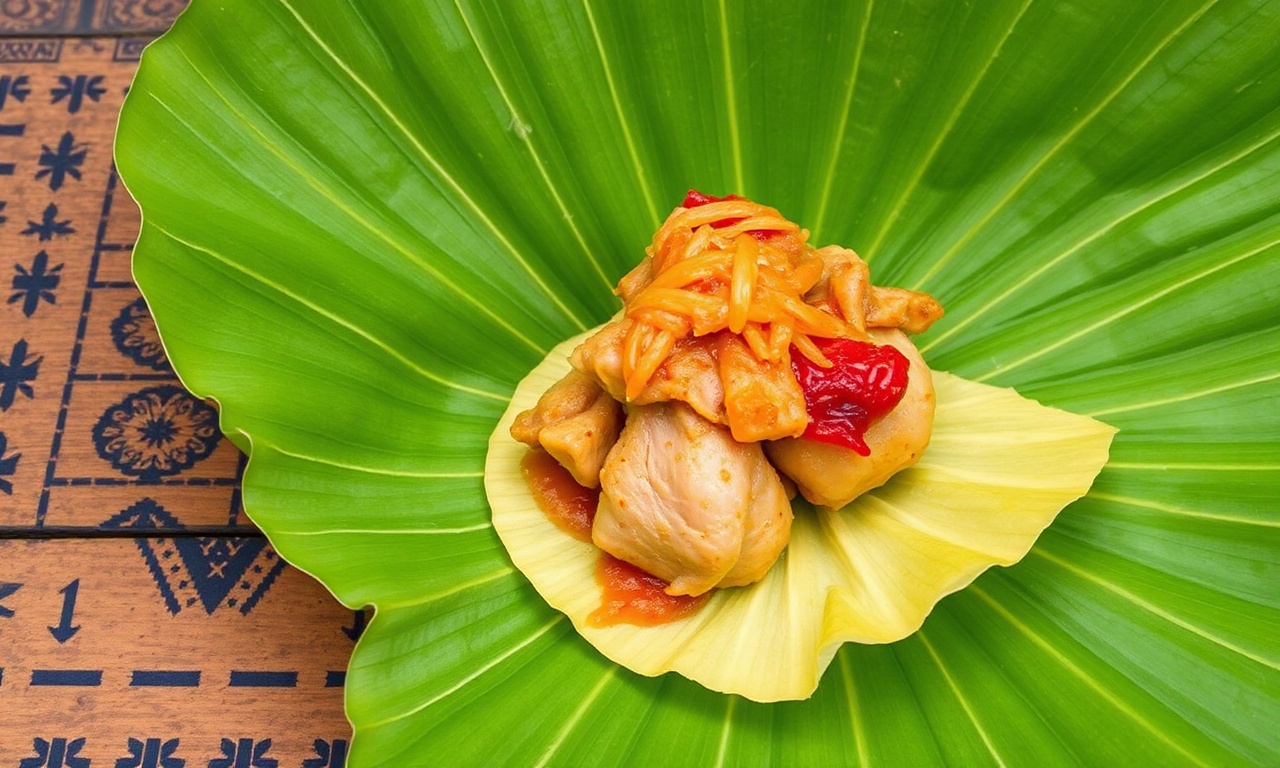
When it comes to Nacatamales Unwrapped, beneath the verdant canopies of Nicaragua’s lush landscapes lies a culinary treasure wrapped in tradition and flavor-the nacatamal. Often hailed as the country’s beloved tamale, this hearty delicacy transforms humble ingredients into an unforgettable feast. At the heart of nacatamales is the tender,savory chicken,mingling with fragrant spices,corn masa,and a symphony of local produce,all lovingly encased in plantain leaves.
- Nacatamales Unwrapped: Nicaragua’s Chicken Tamale Delight
- Nacatamales Unwrapped: Prep and Cook Time
- Yield
- Difficulty Level
- Nacatamales Unwrapped: Ingredients and Traditional Techniques
- Step-by-Step Instructions
- Chef’s Notes: Tips for Success
- Savoring the Flavor: What Makes These Chicken tamales Unique
- Serving suggestions
- Q&A
- To Wrap it Up
In this journey of “Nacatamales Unwrapped: Nicaragua’s Chicken Tamale Delight,” we peel back the layers of this iconic dish to explore its origins, preparation rituals, and the cultural heartbeat it nourishes in every bite.Join us as we unwrap a story where food, history, and heritage come beautifully together.
Nacatamales Unwrapped: Nicaragua’s Chicken Tamale Delight
nacatamales Unwrapped is a party of rich Nicaraguan heritage wrapped in tender, savory chicken and fragrant masa steamed to perfection. This traditional masterpiece transcends a simple meal; it’s a cultural ritual, a festive centerpiece, and a culinary story told through generations. From the lush highlands to bustling markets, the nacatamal embodies community and history, a dish that invites you to savor not only its flavors but its soul.
Nacatamales Unwrapped: Prep and Cook Time
- Preparation: 1 hour 30 minutes
- Cooking: 2 hours
Yield
Serves 8 hearty portions
Difficulty Level
Medium (requires time and patience but rewarding results)
Nacatamales Unwrapped: Ingredients and Traditional Techniques
In the context of Nacatamales Unwrapped, Crafting authentic nacatamales demands precision, balance, and respect for tradition. The delicate interplay between masa, seasoned chicken, and fragrant herbs makes this tamale experience uniquely unforgettable.
- 4 cups masa harina (corn dough), sifted
- 3 ½ cups chicken broth, warm
- 1 ½ lbs boneless, skinless chicken thighs, cut into chunks
- 2 medium potatoes, peeled and sliced thin
- 1 large onion, finely chopped
- 1 red bell pepper, diced
- 4 cloves garlic, minced
- 2 tablespoons achiote paste (annatto)
- 2 teaspoons ground cumin
- 1 cup tomato puree
- ¼ cup olive oil
- 2 tablespoons fresh oregano, chopped
- 2 tablespoons fresh cilantro, chopped
- Freshly ground black pepper and salt to taste
- Banana leaves (cleaned and softened for wrapping)
- Kitchen twine or strips of banana leaf for tying
Step-by-Step Instructions
- Prepare the chicken filling: In a large skillet, heat olive oil over medium heat. Add garlic, onion, and bell pepper; sauté until softened and aromatic, about 5 minutes.
- Add chicken pieces, cumin, achiote paste, salt, and pepper. Stir to coat chicken evenly, cooking until browned on all sides but not fully cooked, about 8 minutes.
- Pour in tomato puree and chicken broth, bring to a gentle simmer, cover, and cook for 25 minutes until chicken is tender. Stir in fresh oregano and cilantro.Remove from heat and let cool slightly.
- Prepare the masa dough: In a large bowl, slowly mix masa harina with warm chicken broth, kneading into a soft, pliable dough.It should be moist but not sticky. set aside covered with a damp cloth to preserve moisture.
- Prepare banana leaves: Soften banana leaves over an open flame or hot water bath until pliable and easy to fold without cracking. Cut into 12×12 inch squares.
- Assemble the nacatamales: Lay one banana leaf square flat. Spread about ½ cup of masa in an even layer,leaving a 1-inch border around edges.
- In the center, place a few slices of potato, then spoon 3-4 tablespoons of the chicken filling on top. Fold edges of the leaf tightly over the filling, creating a secure packet. Tie with kitchen twine or strip of banana leaf.
- Steam the nacatamales: Arrange packets in a large steamer basket. Fill the bottom with water, ensuring nacatamales do not sit directly in water. Cover and steam over medium heat for 2 hours. Check water level periodically and replenish as needed.
- Once cooked, remove carefully, let rest for 10 minutes, then unwrap and serve warm.
Chef’s Notes: Tips for Success
- Masa moisture: Ensure masa dough is moist but not soggy; it should hold its shape when spread. Add broth gradually.
- Banana leaves: Softening leaves is key to prevent breakage and impart subtle earthiness. If unavailable,parchment paper is a last resort but lacks authentic flavor.
- Make-ahead: Nacatamales freeze well before steaming. Freeze tightly wrapped and steam directly from frozen,adding 30 minutes to steaming time.
- Chicken variation: Dark meat thighs are preferred for juiciness and flavor over lean breast meat.
- Herb freshness: Fresh oregano and cilantro elevate the dish’s aroma; substitute with dried herbs only if necessary.
Savoring the Flavor: What Makes These Chicken tamales Unique
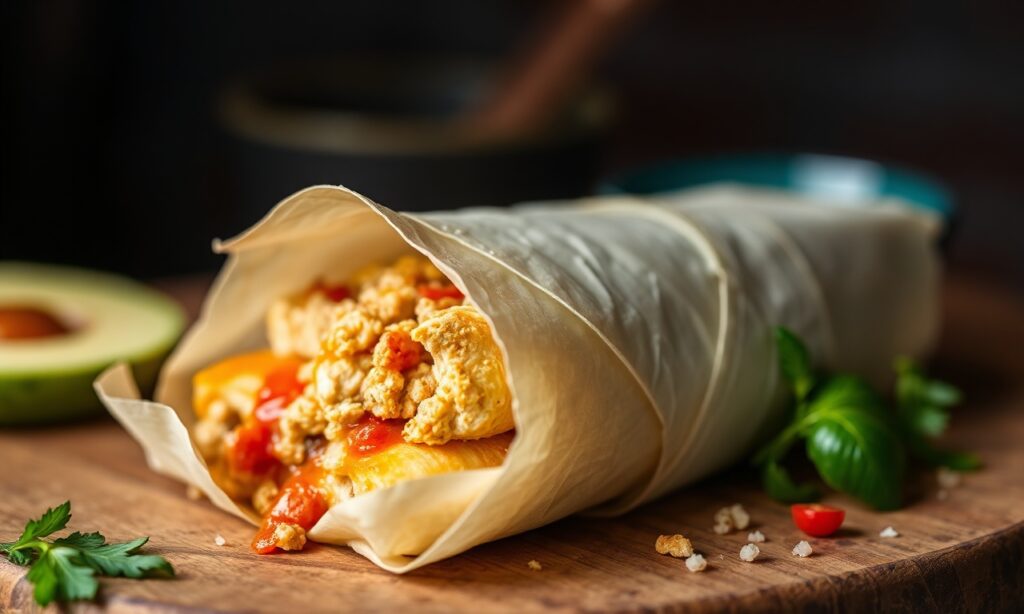
Around Nacatamales Unwrapped, the soul of nacatamales lies in their intricate layering-rich masa infused with savory chicken and spices, tender potatoes adding earthiness, all melded through slow steaming that locks in fragrance. Unlike other tamale varieties, nacatamales embrace banana leaves rather than corn husks, imparting a subtle, unique aroma that sets them apart. Each bite offers a melange of textures-velvety dough, juicy chicken, and soft potatoes harmonizing with radiant herbs.
Serving suggestions
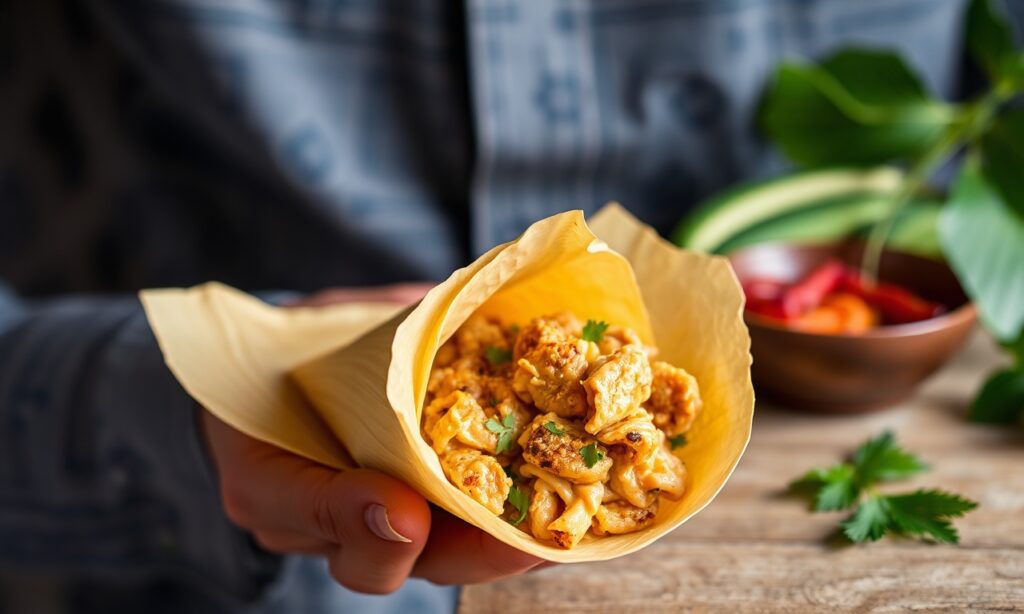
Regarding Nacatamales Unwrapped, Traditionally served steaming hot, nacatamales shine when garnished with slices of fresh avocado and a dollop of tangy sour cream or pickled cabbage on the side. Complement the experience with a cup of strong, spiced Nicaraguan coffee or a refreshing tamarind drink. For festive occasions, present wrapped nacatamales on a banana leaf platter adorned with lime wedges and fresh cilantro sprigs to visually echo the dish’s vibrant roots.
| Nutrient | per Serving |
|---|---|
| Calories | 420 kcal |
| Protein | 28 g |
| Carbohydrates | 35 g |
| Fat | 15 g |
When it comes to Nacatamales Unwrapped, For an in-depth understanding of similar Central American tamale traditions and their place in regional culture, check out our Latin american Tamale Traditions article. Also, explore this Britannica overview on tamales for historic and cultural context.
Q&A
Nacatamales Unwrapped: Nicaragua’s Chicken Tamale Delight – Q&A
In the context of Nacatamales Unwrapped, Q1: What exactly is a nacatamal?
A nacatamal is a traditional Nicaraguan tamale, lovingly wrapped and steamed to perfection. Unlike its more widely known Mexican cousin, the nacatamal features a tender masa (corn dough) infused with rich flavors and is generously filled with marinated pork or chicken, rice, vegetables, and wrapped in banana leaves. It’s a culinary treasure that embodies the heart and soul of nicaraguan home cooking.
Around Nacatamales Unwrapped, Q2: Why is the chicken nacatamal so special?
Chicken nacatamales offer a lighter yet equally flavorful alternative to the traditional pork. The chicken is marinated in a blend of spices,herbs,and sometimes achiote (a natural coloring and flavoring),which seeps into the masa during steaming. The result: a succulent, aromatic delight that balances savory and earthy notes-a comforting hug in every bite.
Regarding Nacatamales Unwrapped, Q3: What ingredients make up the nacatamal dough?
The dough starts with nixtamalized corn masa, giving it a distinct corn flavor and texture. It’s mixed with lard or vegetable shortening, salt, and sometimes baking powder for a slightly airy softness.This dough serves as the tender canvas that absorbs the vibrant flavors of the filling and banana leaf’s subtleties.
When it comes to Nacatamales Unwrapped, Q4: how is a nacatamal traditionally prepared?
Preparation is a labor of love that often brings families together.The process begins with marinating the chicken overnight. Simultaneously occurring, the masa is prepared fresh. Then comes the artful assembly: spreading masa on a banana leaf, layering rice, chicken, onions, peppers, olives, and sometimes potatoes or raisins.Each nacatamal is carefully folded and tied, steamed for several hours until the dough is set and fragrant.
In the context of Nacatamales Unwrapped, Q5: What role do banana leaves play in the flavor and cooking of nacatamales?
Banana leaves are the unsung hero of the nacatamal. They keep the tamale moist during steaming, imparting a subtle grassy aroma and slight sweetness. Their natural oils also help prevent sticking and add a rustic charm to the presentation. Eating nacatamales straight from the banana leaf is a sensory experience deeply connected to Nicaraguan tradition.
Q6: When and where are nacatamales typically enjoyed?
Nacatamales are frequently enough reserved for special occasions and Sunday family breakfasts. In Nicaragua,they’re not just food; they’re part of cultural celebrations-from holidays to community gatherings. Street vendors also serve them hot and ready to eat, wrapped for convenience, making them a beloved grab-and-go comfort food.
Q7: Can nacatamales be customized or modernized?
Absolutely! While the classics reign supreme, chefs and home cooks experiment by including different proteins like turkey or beef, adding cheese, or incorporating local vegetables. Some even adapt the recipe for vegetarian or vegan diets, swapping out meat for hearty mushrooms or beans. The nacatamal’s adaptability speaks to its enduring appeal and adaptability.
Q8: How can someone outside Nicaragua try making nacatamales at home?
Start by sourcing good quality masa harina or fresh masa if possible, and banana leaves (available at Latin markets or online).Patience is key-marinate the chicken well, prepare the dough properly, and wrap tightly to hold in moisture. Plenty of online tutorials and recipe variations are available, making this a fun and rewarding culinary adventure that brings a slice of Nicaragua into your kitchen.
Unwrapping the nacatamal reveals more than just a delicious meal-it unfolds stories of tradition,family,and flavor woven into every fold of banana leaf. Whether chicken-filled or pork, these tamales invite you to savor Nicaragua’s rich culinary heritage one bite at a time.
To Wrap it Up
as the final folds of the banana leaf reveal the steaming treasure within, the nacatamal emerges not just as a dish but as a story-layered with history, culture, and flavor. Nicaragua’s chicken nacatamal invites us to savor more than its tender meat and fragrant masa; it offers a savoring of tradition passed down through generations, a delicious bridge between past and present.Whether enjoyed at a festive gathering or a humble family table,this unwrapped delight reminds us that food is more than sustenance-it is a celebration of identity,community,and the simple joys found in every bite. so next time you unwrap a nacatamal, take a moment to taste the heart of Nicaragua itself.
See also: Nacatamales Unwrapped